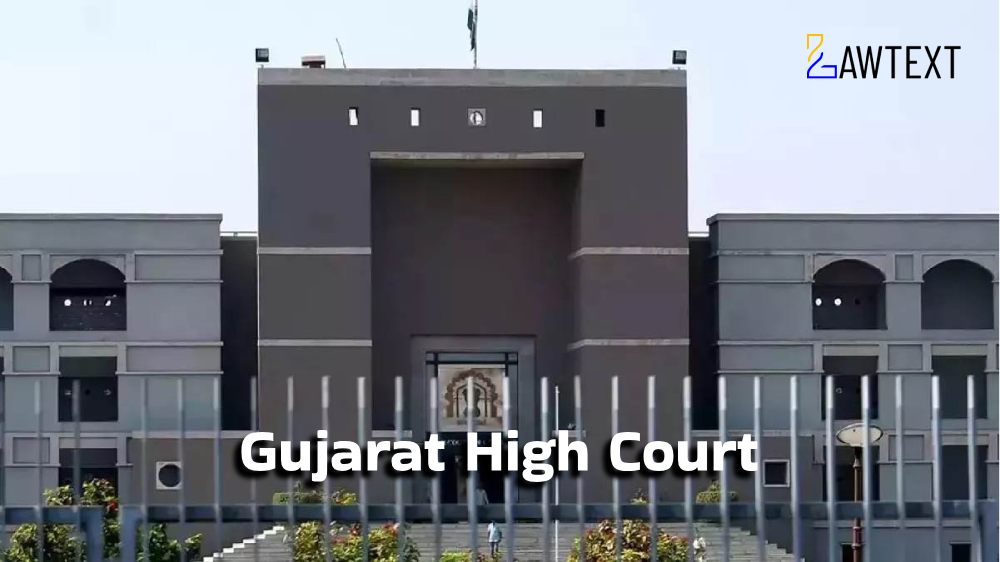
Case Note & Summary
The petitioner, filed a petition under Article 226 of the Constitution of India seeking a writ of mandamus to direct the respondents to pay death benefits to his grandchildren under the Government Resolution dated 05.07.2011, after his son and daughter-in-law died in a car accident while serving as teachers. The respondent denied benefits for the daughter-in-law, claiming she had not completed five years of service and that Clause 4 of the resolution limited benefits to one spouse. The High Court found the respondent's order erroneous, noting that the resolution did not exclude benefits for both spouses' deaths and that the denial was contrary to its object. The court allowed the petition, quashed the impugned order, and directed payment of benefits for both deceased within eight weeks.
Headnote
The High Court of Gujarat at Ahmedabad allowed a petition under Article 226 of the Constitution of India, directing the respondents to pay death benefits to the petitioner's grandchildren as per the Government Resolution dated 05.07.2011 -- The petitioner, appointed guardian by the Family Court, sought benefits for his son and daughter-in-law who died in a car accident on 28.06.2012 while serving as teachers -- The respondent denied benefits for the daughter-in-law, citing incomplete service and Clause 4 of the resolution, which the court found erroneous and perverse -- The court held that the resolution did not exclude benefits for both spouses' deaths and emphasized the welfare of the minor grandchildren -- The petition was allowed, quashing the impugned order dated 11.09.2014 and directing payment within eight weeks
Issue of Consideration
The Issue of Consideration was whether the petitioner's grandchildren were entitled to death benefits under the Government Resolution dated 05.07.2011 for both deceased parents who were government servants, and whether the respondent's denial based on service completion and spousal exclusion was valid
Final Decision
The High Court allowed the petition, quashed the impugned order dated 11.09.2014, and directed the respondents to pay death benefits for both deceased as per the Government Resolution dated 05.07.2011 within eight weeks
Law Points
- Interpretation of Government Resolution dated 05.07.2011
- Article 226 of the Constitution of India
- Principles of natural justice
- Welfare of minors
- Erroneous administrative orders
Case Details
2026 LawText (GUJ) (01) 574
R/Special Civil Application No. 14076 of 2016
Mr. M.A. Kharadi, Ms. Forum Shah, Mr. U.M. Shastri
Director of Primary Education, Another
Subscribe to unlock Case Details (Citation, Judge, Date & more)
Subscribe Now
Nature of Litigation
Writ petition under Article 226 of the Constitution of India seeking monetary benefits for deceased government servants
Remedy Sought
The petitioner sought a writ of mandamus directing the respondents to pay death benefits as per the Government Resolution dated 05.07.2011
Filing Reason
The respondent denied death benefits for the petitioner's daughter-in-law, citing incomplete service and spousal exclusion under Clause 4 of the resolution
Previous Decisions
The Family Court, Godhra, appointed the petitioner as guardian for the minor grandchildren via order dated 04.01.2013; the respondent issued an impugned order dated 11.09.2014 partially granting benefits for the son but denying for the daughter-in-law
Issues
Whether the petitioner's grandchildren were entitled to death benefits under the Government Resolution dated 05.07.2011 for both deceased parents
Whether the respondent's denial based on service completion and Clause 4 of the resolution was valid
Submissions/Arguments
The petitioner argued that the daughter-in-law was appointed in 1999, not 2009, and Clause 4 did not apply as both spouses died, not one surviving
The respondent argued that benefits could only be considered for one spouse as per the resolution and that the daughter-in-law had not completed requisite service
Ratio Decidendi
The Government Resolution dated 05.07.2011 does not exclude death benefits for both spouses when both die; denial based on erroneous service dates and misapplication of Clause 4 is perverse and against the resolution's object, especially considering the welfare of minor grandchildren
Judgment Excerpts
The impugned order dated 11/09/2014, whereby respondent No.1 appears to have partially sanctioned the claim of the petitioner, thereby granted only Rs.6,00,000/- for the death of the son of the petitioner and disallowed the claim - family benefits for the death of his daughter-in-law
Such an observation is ex-facie contrary to the aforesaid resolution, inasmuch as, a plain reading of the aforesaid resolution would not remotely indicate that in a case of the death of both husband and wife, the family of such spouse would be entitled to receive benefit for the death of only one and not for both
Procedural History
The petitioner filed the petition on 2016; the Family Court appointed him as guardian on 04.01.2013; the respondent issued the impugned order on 11.09.2014; the High Court heard arguments and delivered the judgment on 22.01.2026
Acts & Sections
- Constitution of India: Article 226
- Government Resolution dated 05.07.2011: Clause 4