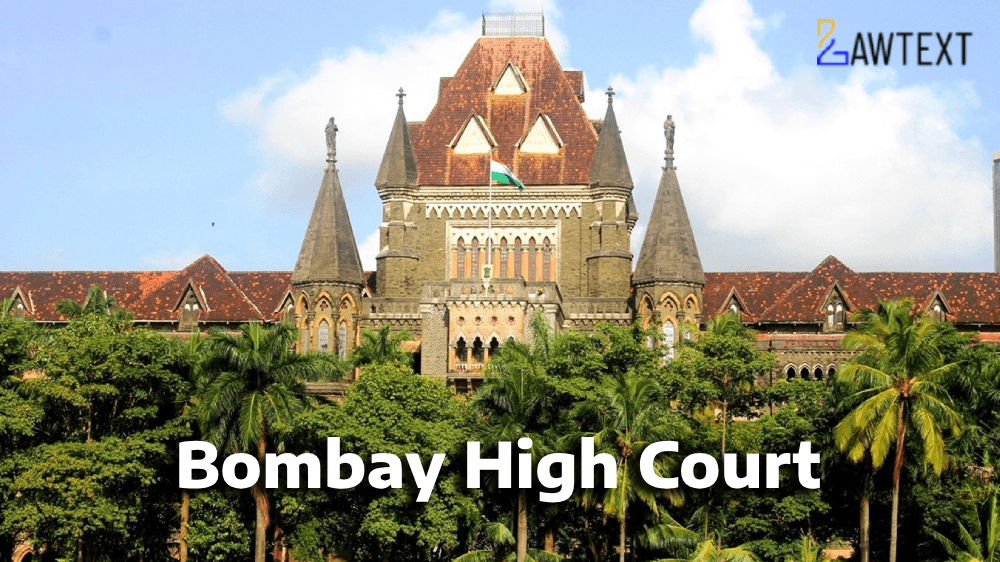
Bombay High Court Upholds Conviction of Appellants in Murder and Attempt to Murder Case — Life Imprisonment Maintained for Unlawful Assembly and Rioting. The court found that the prosecution proved the common object of the assembly and the active participation of each appellant in the assault, leading to the death of one person and injuries to others.

High Court: Bombay High Court Bench: BOMBAY In Favour of Prosecution
  • 1
Judgement Image
Font size:
Print

Case Note & Summary

The case arises from a factional clash in Borale village, Solapur district, where the appellants, along with others, were convicted for the murder of one person and attempt to murder two others. The prosecution case was that on the date of the incident, the appellants formed an unlawful assembly armed with deadly weapons like sticks and axes, and attacked the deceased and the injured witnesses due to a land dispute. The trial court convicted the appellants under Sections 147, 148, 302 and 307 read with 149 IPC, sentencing them to life imprisonment for murder and seven years for attempt to murder. The appellants appealed against the conviction. The High Court examined the evidence of the injured eyewitnesses, which was found to be credible and corroborated by medical evidence. The court held that the presence of the appellants at the scene and their active participation in the assault was established beyond reasonable doubt. The court also noted that the motive of land dispute was proved. The court dismissed the appeals, upholding the conviction and sentence. The court further held that the acquittal of two accused by the trial court was not challenged by the State and hence not disturbed.

Headnote

A) Criminal Law - Unlawful Assembly - Common Object - Sections 147, 148, 302, 307 r/w 149 IPC - The appellants were convicted for forming an unlawful assembly with the common object of murdering the deceased and attempting to murder the injured witnesses. The court held that the presence of the appellants at the scene, their active participation in the assault, and the injuries caused to the victims established the common object of the assembly. (Paras 1-10)

B) Evidence Act - Appreciation of Evidence - Credibility of Witnesses - The court relied on the testimony of injured witnesses, which was found to be natural, consistent, and corroborated by medical evidence. The court held that minor discrepancies do not affect the credibility of witnesses when the core of their testimony is trustworthy. (Paras 11-20)

C) Criminal Law - Motive - Relevance - The court noted that the prosecution had established motive through prior enmity between the parties due to a land dispute. However, the court held that even in the absence of motive, the direct evidence of eyewitnesses was sufficient to sustain the conviction. (Paras 21-25)

Subscribe to unlock Headnote Subscribe Now

Issue of Consideration

Whether the conviction of the appellants under Sections 147, 148, 302 and 307 read with 149 of the Indian Penal Code, 1860 is sustainable on the basis of the evidence on record.

Subscribe to unlock Issue of Consideration Subscribe Now

Final Decision

The appeals are dismissed. The conviction and sentence of the appellants under Sections 147, 148, 302 and 307 read with 149 IPC are upheld.

Law Points

  • Common intention
  • Unlawful assembly
  • Rioting
  • Murder
  • Attempt to murder
  • Appreciation of evidence
  • Credibility of witnesses
  • Motive
  • Medical evidence
  • Circumstantial evidence
Subscribe to unlock Law Points Subscribe Now

Case Details

2010 LawText (BOM) (10) 93

Criminal Appeal No.450 of 2002, Criminal Appeal No.451 of 2002, Criminal Appeal No.452 of 2002, Criminal Appeal No.453 of 2002

2010-10-18

A.M. Khanwilkar, U.D. Salvi

Mr. Ujwal Agandsurve for the appellants, Mr. F.R. Shaikh, APP for State

Manohar Sidram Ukarande, Suresh Dattu Bhojane, Anna @ Anil Maruti Bhojane, Dhondappa Bimrao Nakate, Sachin Rama Bhojane, Satish Rama Bhojane

The State of Maharashtra

Subscribe to unlock Case Details (Citation, Judge, Date & more) Subscribe Now

Nature of Litigation

Criminal appeals against conviction for murder and attempt to murder.

Remedy Sought

Appellants sought acquittal or reduction of sentence.

Filing Reason

Appellants were convicted by the trial court for offences under Sections 147, 148, 302 and 307 read with 149 IPC.

Previous Decisions

The trial court convicted the appellants and sentenced them to life imprisonment for murder and seven years for attempt to murder. Two accused were acquitted.

Issues

Whether the conviction of the appellants under Sections 147, 148, 302 and 307 read with 149 IPC is sustainable? Whether the evidence of the injured witnesses is credible and reliable?

Submissions/Arguments

Appellants argued that the prosecution failed to prove the common object of the unlawful assembly and that the witnesses were not reliable. State argued that the evidence of injured witnesses was consistent and corroborated by medical evidence, establishing the guilt of the appellants.

Ratio Decidendi

The court held that the testimony of injured witnesses, being natural and consistent, coupled with medical evidence, is sufficient to prove the guilt of the accused beyond reasonable doubt. The common object of the unlawful assembly can be inferred from the nature of the injuries and the active participation of the accused.

Judgment Excerpts

These are the appeals preferred against the judgment and order of conviction under Sections 147, 148, 302 & 307 r/w. 149 of the I.P.C., 1860 in Sessions Case No.56/99 passed by the learned II Additional Sessions Judge, Pandharpur at Pandharpur on 21/2/2002.

Procedural History

The trial court convicted the appellants on 21/2/2002. The appellants filed appeals before the High Court. The High Court reserved judgment on 9/9/2010 and pronounced on 18/10/2010.

Acts & Sections

  • Indian Penal Code, 1860: 147, 148, 302, 307, 149
Subscribe to unlock full Legal Analysis Subscribe Now
Related Judgement
High Court Bombay High Court Upholds Conviction of Appellants in Murder and Attempt to Murder Case — Life Imprisonment Maintained for Unlawful Assembly and Rioting. The court found that the prosecution proved the common object of the assembly and the active p...
Related Judgement
High Court High Court of Karnataka Allows Father's Petition Against Interim Custody Order in Child Custody Dispute — Egoistic Parents Cause Suffering to Minor Child. The court set aside the Family Court's order granting limited interim custody to the mother, ...