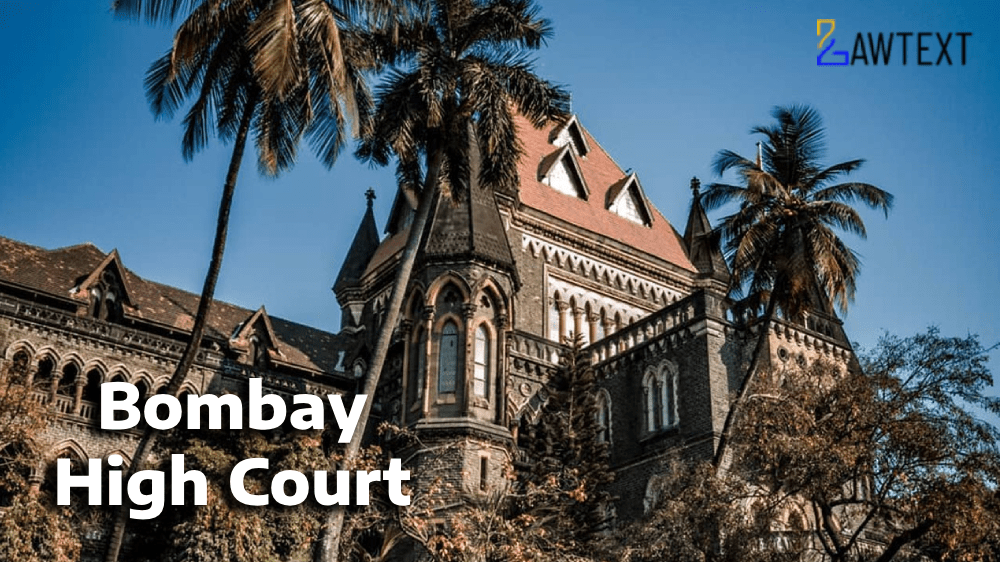
Bombay High Court Acquits Appellant in Murder Case Based on Circumstantial Evidence — Last Seen Theory Fails. Conviction under Section 302 IPC Set Aside as Prosecution Failed to Prove Chain of Circumstances Beyond Reasonable Doubt.

High Court: Bombay High Court Bench: BOMBAY In Favour of Accused
  • 2
Judgement Image
Font size:
Print

Case Note & Summary

The appellant, Sidram Baccharam Kamble, was convicted by the Additional Sessions Judge, Jaysingpur, for the murder of his wife Geeta under Section 302 IPC and for attempting to commit suicide under Section 309 IPC. The prosecution's case was based entirely on circumstantial evidence, primarily the 'last seen together' theory. The appellant was sentenced to life imprisonment for murder and one year for the attempt to commit suicide. On appeal, the Bombay High Court examined the evidence and found that the prosecution had not established a complete chain of circumstances pointing unequivocally to the guilt of the appellant. The court noted that the 'last seen together' theory, without any corroborative evidence such as motive, recovery of weapon, or forensic links, was insufficient to sustain a conviction. The court emphasized that in cases based on circumstantial evidence, the circumstances must be fully established and must exclude every hypothesis of innocence. Since the prosecution failed to meet this standard, the court allowed the appeal, set aside the conviction and sentence, and acquitted the appellant.

Headnote

A) Criminal Law - Circumstantial Evidence - Last Seen Theory - Section 302, 309 Indian Penal Code, 1860 - The prosecution's case rested solely on the 'last seen together' theory without any corroborating evidence to complete the chain of circumstances. The court held that mere last seen without other links is insufficient to sustain a conviction for murder. (Paras 3-5)

B) Criminal Law - Burden of Proof - Reasonable Doubt - Section 302 Indian Penal Code, 1860 - The prosecution failed to prove the guilt of the accused beyond reasonable doubt as the circumstantial evidence did not exclude the hypothesis of innocence. The court held that the benefit of doubt must be given to the accused. (Paras 5-6)

Subscribe to unlock Headnote Subscribe Now

Issue of Consideration

Whether the conviction of the appellant under Section 302 IPC and Section 309 IPC based on circumstantial evidence, particularly the 'last seen together' theory, is sustainable in law.

Subscribe to unlock Issue of Consideration Subscribe Now

Final Decision

Appeal allowed. Conviction and sentence set aside. Appellant acquitted.

Law Points

  • Circumstantial evidence
  • last seen theory
  • chain of circumstances
  • reasonable doubt
  • Section 302 IPC
  • Section 309 IPC
Subscribe to unlock Law Points Subscribe Now

Case Details

2022 LawText (BOM) (09) 87

Criminal Appeal No. 822 of 2015

2022-09-06

A.S. Gadkari, Milind N. Jadhav

Ms. Nasreen S.K Ayubi (for Appellant), Mr. Ajay Patil (APP for Respondent)

Sidram Baccharam Kamble

The State of Maharashtra

Subscribe to unlock Case Details (Citation, Judge, Date & more) Subscribe Now

Nature of Litigation

Criminal appeal against conviction for murder and attempt to suicide.

Remedy Sought

Appellant sought acquittal by challenging the legality of the trial court's judgment.

Filing Reason

Appellant was convicted under Sections 302 and 309 IPC by the trial court.

Previous Decisions

Trial court convicted appellant on 17.03.2015 in Sessions Case No. 13 of 2012.

Issues

Whether the conviction based on circumstantial evidence, particularly the 'last seen together' theory, is sustainable.

Submissions/Arguments

Appellant argued that the prosecution failed to prove the chain of circumstances. Respondent argued that the 'last seen together' theory was sufficient to convict.

Ratio Decidendi

In cases based on circumstantial evidence, the prosecution must establish a complete chain of circumstances that excludes every hypothesis of innocence. Mere 'last seen together' without corroboration is insufficient to sustain a conviction for murder.

Judgment Excerpts

Prosecution case is based on circumstantial evidence. Prosecution has heavily relied on 'last seen together theory'.

Procedural History

The appellant was convicted by the Additional Sessions Judge, Jaysingpur on 17.03.2015 in Sessions Case No. 13 of 2012. He appealed to the Bombay High Court.

Acts & Sections

  • Indian Penal Code, 1860: 302, 309
Subscribe to unlock full Legal Analysis Subscribe Now
Related Judgement
High Court Bombay High Court Acquits Appellant in Murder Case Based on Circumstantial Evidence — Last Seen Theory Fails. Conviction under Section 302 IPC Set Aside as Prosecution Failed to Prove Chain of Circumstances Beyond Reasonable Doubt.
Related Judgement
High Court Bombay High Court Dismisses Writ Petition Challenging CAT Order Rejecting Condonation of Delay in Disciplinary Matter. Delay of 8 Years in Filing Original Application Not Sufficiently Explained, No Sufficient Cause Shown.