
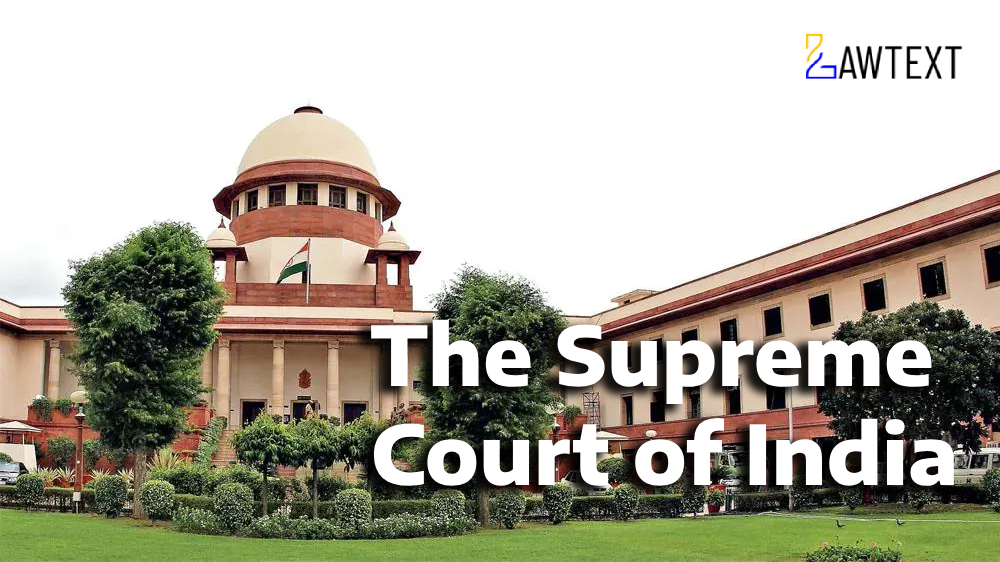
Case Note & Summary
The dispute arose from the employer University's appeal against the High Court's judgment and order directing regularization of services with all consequential benefits for long-term contractual employees. The respondents, original writ petitioners, were appointed on various posts through a placement agency and had served for 15-30 years on contractual or daily wage basis. They sought regularization based on parity with six similarly situated employees whose services were regularized in 1999 after recommendations by a Sub-Committee and confirmation by the Syndicate. The University did not agree to regularize the respondents, leading to writ petitions filed in 2018/2019. The High Court allowed these petitions, and the Division Bench dismissed the University's appeals, noting that similar cases had been decided in favor of employees, with some special leave petitions dismissed by the Supreme Court. The Supreme Court issued a limited notice to consider restricting benefits to three years prior to filing of writ petitions. After hearing arguments, the Court analyzed the need to balance the financial burden on the University with the employees' long service. It modified the High Court's order, restricting actual consequential benefits to three years prior to filing of writ petitions, while granting notional regularization and continuity from the date similarly situated employees were regularized. This decision aimed to meet the ends of justice by acknowledging the employees' service while mitigating the University's financial strain.
Headnote
A) Service Law - Regularization of Contractual Employees - Consequential Benefits - Not mentioned - Dispute pertained to long-term contractual employees seeking regularization with full benefits after 15-30 years of service - Court modified High Court order to restrict actual financial benefits to three years prior to writ petition filing, while granting notional regularization and continuity from date similarly situated employees were regularized - Held that this balances equities and reduces financial burden on University (Paras 4-5).
Issue of Consideration
Whether the High Court's direction to regularize services with all consequential benefits should be modified to restrict actual financial benefits to three years prior to filing of writ petitions while granting notional regularization and continuity from the date similarly situated employees were regularized.
Final Decision
The Supreme Court partly allowed the appeals, modifying the impugned common judgment and order passed by the Division Bench of the High Court and those of the learned Single Judge. It ordered that the original writ petitioners shall be entitled to actual consequential benefits on regularization for the period prior to three years of filing of the writ petitions only, but they shall be entitled to continuity in service and benefits notionally on regularization from the date on which similarly situated employees were regularized.
Law Points
- Regularization of services
- parity in treatment
- consequential benefits
- financial burden on employer
- balance of equities
- notional regularization with continuity






