
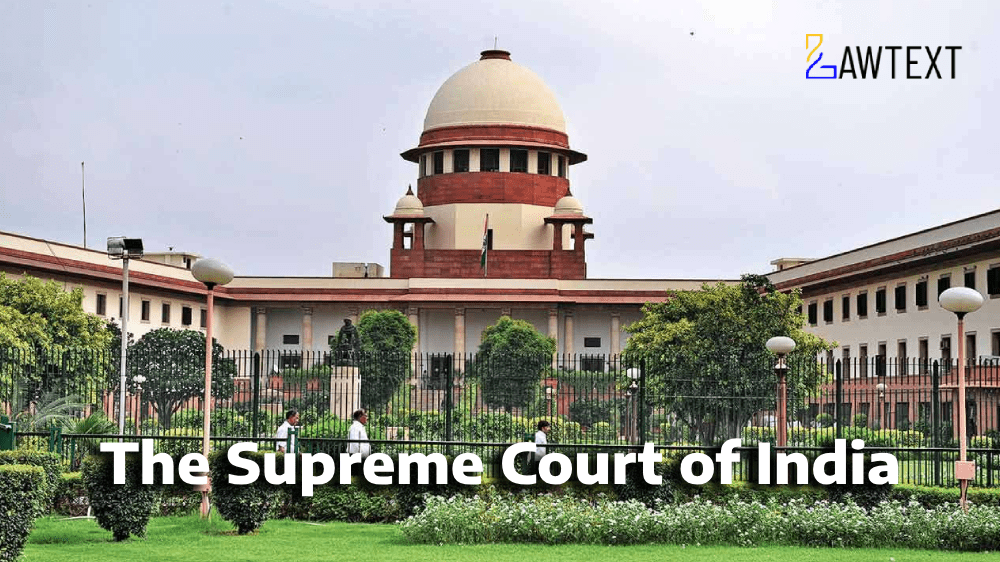
Case Note & Summary
The Supreme Court of India initiated a suo motu writ petition in response to an email from Shri B. B. Pathak, a retired District Judge from Gujarat, highlighting the significant issue of large compensation amounts awarded under the Motor Vehicles Act, 1988 and the Workmen's Compensation Act, 1923 lying unclaimed with Motor Accident Claims Tribunals and Labour Courts. The court noted disturbing figures from various High Courts, such as Gujarat having over Rs. 282 crores unclaimed in MACT cases and Rs. 6.61 crores in Labour Courts, prompting concern over successful claimants being deprived of their dues. The legal issues centered on ensuring effective disbursement of compensation, addressing gaps in procedural rules, and leveraging technology for monitoring. The court appointed Ms. Meenakshi Arora as amicus curiae and sought responses from High Courts, which provided data and suggestions. In its analysis, the court examined Sections 166 and 176 of the Motor Vehicles Act, 1988, noting the rule-making power of State Governments and the need for High Courts to issue practice directions in the absence of such rules. The court reasoned that detailed claimant information, including Aadhar and PAN details, must be mandated in claim applications to facilitate identification and disbursement. It directed that compensation awards should require bank account details for direct transfers, with investments in fixed deposits to safeguard funds, and extended these procedures to claims under the Workmen's Compensation Act, 1923. Additionally, the court ordered the creation of a dashboard to monitor unclaimed amounts. The decision involved issuing comprehensive directions to High Courts and Tribunals to implement these measures, aiming to streamline the disbursement process and ensure claimants receive their entitled compensation without undue delay.
Headnote
A) Administrative Law - Suo Motu Proceedings - Supreme Court's Inherent Powers - Not mentioned - Supreme Court initiated suo motu proceedings based on an email highlighting unclaimed compensation amounts under the Motor Vehicles Act, 1988 and Workmen's Compensation Act, 1923, directing High Courts to provide data and appointing amicus curiae to assist in finding solutions to ensure claimants receive awarded compensation (Paras 1-5). B) Motor Vehicles Law - Compensation Claims - Application Formalities - Motor Vehicles Act, 1988, Sections 166, 176 - In absence of State rules under Section 176, High Courts must issue practice directions or frame rules requiring claimants to furnish detailed particulars including names, addresses, Aadhar, PAN, and email IDs in claim applications under Section 166(1) to facilitate proper identification and disbursement (Paras 6-8). C) Motor Vehicles Law - Compensation Disbursement - Direct Bank Transfer - Motor Vehicles Act, 1988, Section 166 - Motor Accident Claims Tribunals must direct claimants to provide bank account details with banker's certificate or cancelled cheque when compensation is awarded, and orders should mandate direct transfer to these accounts, with updates required for any changes (Paras 9-10). D) Motor Vehicles Law - Compensation Management - Investment of Deposits - Motor Vehicles Act, 1988, Section 166 - Tribunals must order investment of deposited compensation amounts in fixed deposits with nationalised banks, with standing instructions for renewal until further orders, to safeguard funds and prevent loss of value (Paras 11-12). E) Workmen's Compensation Law - Compensation Disbursement - Application of Directions - Workmen's Compensation Act, 1923 - Directions issued for Motor Vehicles Act claims shall apply mutatis mutandis to compensation claims under the Workmen's Compensation Act, 1923, ensuring uniform procedures across both Acts (Para 13). F) Technology and Law - Case Management - Dashboard Creation - Not mentioned - Central Project Coordinator of e-court project or Registrar (Computer/IT) of High Courts, with State Government assistance, shall create a dashboard to monitor information on unclaimed amounts, enhancing transparency and tracking of compensation disbursements (Para 14).
Issue of Consideration
How to address the issue of large amounts of compensation awarded under the Motor Vehicles Act, 1988 and the Workmen's Compensation Act, 1923 lying unclaimed with Motor Accident Claims Tribunals and Labour Courts, and to ensure effective disbursement to claimants
Final Decision
The Supreme Court issued directions to High Courts to frame practice directions or rules requiring detailed claimant information in applications, mandate bank account details for direct transfer of compensation, invest deposited amounts in fixed deposits, apply similar procedures under the Workmen's Compensation Act, 1923, and create a dashboard to monitor unclaimed amounts.
Law Points
- Rule-making power under Section 176 of the Motor Vehicles Act
- 1988
- High Court's authority to issue practice directions
- duty of Motor Accident Claims Tribunals to ensure proper disbursement
- investment of deposited compensation amounts
- creation of dashboard for monitoring unclaimed amounts






