
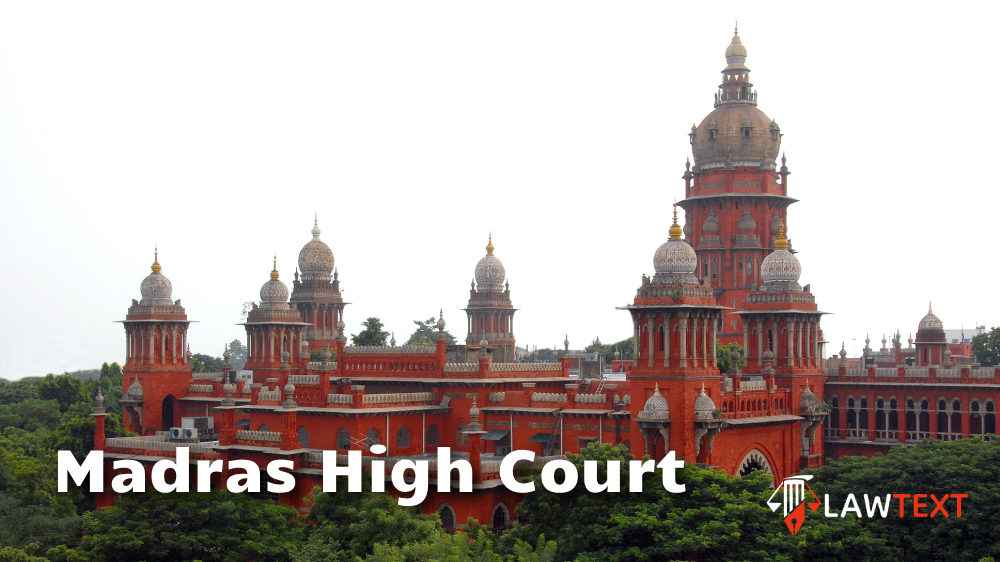
Case Note & Summary
The writ petition under Article 226 of the Constitution of India was filed by Thimmi, a former sanitary worker of Rajapalayam Municipality, seeking a mandamus directing the Commissioner of the municipality to grant retirement benefits including gratuity, pension, and leave salary with interest from 30 June 2017. The petitioner was initially appointed as a Badli (substitute) sanitary worker in 1989 and later granted time scale of pay from 4 June 1999. Following a strike, the municipality terminated the services of 86 sanitary workers, including the petitioner. The petitioner raised an industrial dispute before the Labour Court, Madurai, in I.D. No. 28 of 2003, which directed reinstatement with continuity of service but without back wages. The municipality's writ petitions against this order were dismissed, and its writ appeals were disposed of on 7 June 2012, directing reinstatement with continuity of service without back wages. Consequently, the petitioner was reinstated on 12 September 2012 and retired on reaching superannuation on 30 June 2017. The petitioner claimed that if 50% of her past service from 1 June 1998 was considered, she would be eligible for pension benefits. Despite multiple representations, the last being on 26 June 2023, the municipality did not sanction any retirement benefits, leading to the filing of the writ petition. The main legal issue was whether the petitioner was entitled to the claimed retirement benefits and whether a mandamus should be issued. The petitioner argued that she had served continuously and was entitled to the benefits, while the municipality contended that there was a break in service and that the petitioner was given a fresh appointment in 2012, thus not qualifying for the benefits claimed. The municipality's counsel suggested that the petitioner file a fresh representation for consideration. The court observed that keeping the writ petition pending would serve no useful purpose and that the appropriate course was to direct the municipality to consider the petitioner's claim on its own merits. Accordingly, the court disposed of the petition with directions: the petitioner was to file a fresh representation to the 4th respondent within three weeks; upon receipt, the 4th respondent was to consider the representation and pass a reasoned and speaking order in accordance with law, after giving the petitioner an opportunity, within six weeks; and the order was to be communicated to the petitioner via registered post with acknowledgment due within two weeks thereafter. No costs were awarded.
Headnote
A) Administrative Law - Writ of Mandamus - Consideration of Representation - Article 226, Constitution of India - The petitioner, a retired sanitary worker, claimed retirement benefits from the Rajapalayam Municipality. The municipality contended that the petitioner had a break in service and was not entitled to the benefits, suggesting that the petitioner file a fresh representation. The court, finding that the writ petition was not the appropriate forum to decide the factual entitlements, disposed of the petition by directing the petitioner to file a fresh representation within three weeks and the municipality to consider it and pass a reasoned order within six weeks thereafter. Held, the matter is remitted to the authority for a decision in accordance with law (Paras 7-8).
Issue of Consideration
Whether the writ petition seeking mandamus to grant gratuity, pension, leave salary, and other retirement benefits should be entertained, and whether the appropriate relief is to direct the respondent municipality to consider a fresh representation instead of deciding the merits of the claim.
Final Decision
The writ petition was disposed of with directions: the petitioner to file a fresh representation to the 4th respondent within three weeks; the 4th respondent to consider the representation and pass a reasoned and speaking order in accordance with law after giving the petitioner an opportunity, within six weeks; the order to be communicated to the petitioner via registered post with acknowledgment due within two weeks thereafter. No costs.
Law Points
- Legal points not extracted
- Article 226
- Constitution of India
- writ of mandamus
- direction to consider representation






