
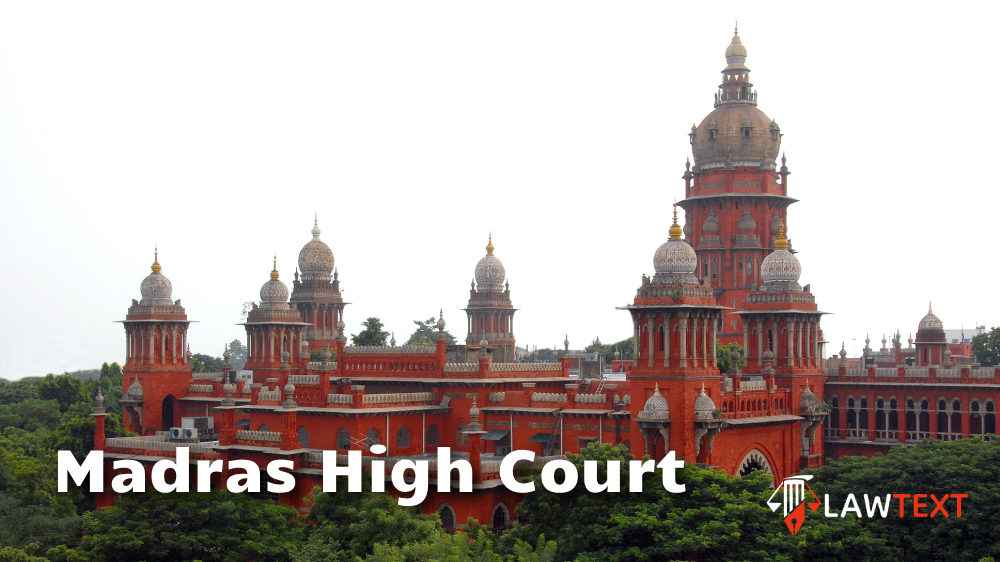
Madras High Court Quashes Termination Order of Anganwadi Worker for Violation of Natural Justice and Disproportionate Punishment. Court Directs Retirement Benefits and Treats Absence Period as 'No Work No Pay' Due to Lack of Enquiry and Excessive Punishment Under Tamil Nadu State Employees (Discipline and Appeal) Rules, Rule 18.

High Court: Madras High Court Bench: Principal In Favour of Accused
  • 1
Judgement Image
Font size:
Print

Case Note & Summary

The writ petition was filed under Article 226 of the Constitution of India challenging the termination order dated 23.05.2016 passed by the District Collector, Theni District. The petitioner, an Anganwadi Worker with 35 years of service, was terminated on the ground of long unauthorized absence from 12.09.2015 onwards. She contended that she had informed her immediate supervisor and requested leave to care for her daughter's prenatal period, but the respondents sent communications to her residential address which were not served, and passed the termination order without conducting a departmental enquiry or furnishing charge memo. The respondents argued that the petitioner was unauthorizedly absent, summons were sent and returned as ‘not residing at address’, and a VAO report confirmed her absence for seven months, and that due procedure under G.O.(Ms.)No.4 dated 05.01.1995 and Rule 18 of the Tamil Nadu State Employees (Discipline and Appeal) Rules was followed. They also claimed that the petitioner, being a part-time employee not holding a civil post, was not entitled to protection under Article 311 of the Constitution. The court examined the records and found that no show cause notice was issued, no charge memo was served, no enquiry officer was appointed, and no enquiry proceedings were conducted or produced. The termination order itself relied on Rule 18, yet the respondents’ counter affidavit denied the applicability of the Tamil Nadu Civil Services (Discipline and Appeal) Rules. The court held that the petitioner was not given a reasonable opportunity to defend, violating principles of natural justice, and that termination after 35 years of service for a single absence was shockingly disproportionate. Consequently, the court quashed the termination order, allowed the writ petition, permitted the petitioner to retire on superannuation with all retirement benefits, treated the absence period as 'No Work No Pay', and imposed no costs.

Headnote

A) Service Law - Termination - Natural Justice - Constitution of India, 1950, Article 226 - The termination of an Anganwadi Worker for unauthorized absence was passed without issuing a show cause notice or conducting a departmental enquiry. The court found that the respondents did not provide a reasonable opportunity to defend, and the order was vitiated by violation of principles of natural justice. Held, the termination order is illegal and liable to be quashed (Paras 9-10).

B) Service Law - Disproportionate Punishment - Anganwadi Worker - The court observed that the petitioner had rendered 35 years of service and the termination for a single instance of absence was shockingly disproportionate. No evidence of prior misconduct or moral turpitude was produced. Held, the punishment of termination was excessive and unjust (Paras 6-10).

C) Service Law - Retirement Benefits - No Work No Pay - Tamil Nadu State Employees (Discipline and Appeal) Rules, Rule 18 - The court directed that the petitioner be permitted to retire on superannuation and all eligible retirement benefits be disbursed. The period of unauthorized absence was treated as 'No Work No Pay', balancing the interests of both parties while providing relief for the illegal termination (Para 11).

Subscribe to unlock Headnote Subscribe Now

Issue of Consideration

Whether the termination order passed without proper show cause notice, charge memo, and departmental enquiry violates principles of natural justice and is disproportionate to the alleged misconduct.

Subscribe to unlock Issue of Consideration Subscribe Now

Final Decision

The order impugned dated 23.05.2016 is hereby quashed and this writ petition is allowed on the following terms: i) the petitioner is permitted to retire on superannuation and the respondents are directed to disburse all retirement benefits, which are eligible to the petitioner. ii) the period of absence shall be treated as “No Work No Pay”. iii) there shall be no order as to costs. Consequently connected miscellaneous petition is closed.

Law Points

  • Legal points not extracted
  • principles of natural justice
  • termination without enquiry is illegal
  • disproportionate punishment amounts to violation of natural justice
  • 'No Work No Pay' principle
Subscribe to unlock Law Points Subscribe Now

Case Details

2025 LawText (MAD) (02) 95

W.P.(MD)No.9071 of 2019

2025-02-27

M.Jothiraman

Citation not available

G.M.Xavier, G.V.Vairam Santhosh

K.Veluthai

1.The District Collector, Theni District, 2.The Child Development Project Officer, Andipatti Panchayat Union

Subscribe to unlock Case Details (Citation, Judge, Date & more) Subscribe Now

Nature of Litigation

Writ petition under Article 226 of the Constitution of India for certiorarified mandamus to quash termination order and seek retirement benefits.

Remedy Sought

Quashing of termination order dated 23.05.2016 and direction to pay accumulated retirement benefits for 35 years of service.

Filing Reason

Termination of petitioner from service as Anganwadi Worker on ground of long unauthorized absence without proper show cause notice, charge memo, or departmental enquiry.

Previous Decisions

Previous decisions not referenced

Issues

Whether the termination order was passed in violation of principles of natural justice? Whether the petitioner was entitled to protection under service rules before termination? Whether the punishment of termination was disproportionate to the alleged misconduct?

Submissions/Arguments

Petitioner: Termination was illegal as no departmental enquiry was conducted, no charge memo or show cause notice was served, violating principles of natural justice and Rule 18 of Tamil Nadu State Employees (Discipline and Appeal) Rules. Relied on Division Bench judgment in W.A.(MD)No.605 of 2022. Respondents: Petitioner was unauthorizedly absent; summons sent and returned; VAO report confirmed non-residence; due procedure under G.O.(Ms.)No.4/1995 and Rule 18 was followed. Petitioner not holding a civil post, so no protection under Article 311 or Tamil Nadu Civil Services (Discipline and Appeal) Rules.

Ratio Decidendi

Termination of an employee, even a temporary or part-time worker like an Anganwadi Worker, must comply with principles of natural justice. Where the employer fails to issue a show cause notice, conduct a proper enquiry, furnish charges, and give reasonable opportunity to defend, the termination order is illegal and liable to be quashed. Additionally, if no evidence is produced of misconduct and the punishment is disproportionate to the alleged absence, especially after long service, the court may direct retirement benefits and treat absence as 'No Work No Pay'.

Judgment Excerpts

the respondents have not provided reasonable opportunity to the petitioner to defend her case. the order of termination from service is shockingly disproportionate to the delinquency committed by the petitioner. the order impugned dated 23.05.2016 is hereby quashed the petitioner is permitted to retire on superannuation and the respondents are directed to disburse all retirement benefits

Procedural History

Petitioner filed writ petition challenging termination order dated 23.05.2016 passed by first respondent. Court heard both sides and allowed the writ petition, quashing the termination and directing retirement benefits with 'No Work No Pay' for absence period.

Acts & Sections

  • Constitution of India, 1950: Article 226
  • Tamil Nadu State Employees (Discipline and Appeal) Rules: Rule 18
  • Tamil Nadu Civil Services (Discipline and Appeal) Rules:
Subscribe to unlock full Legal Analysis Subscribe Now
Related Judgement
High Court Madras High Court Quashes Termination Order of Anganwadi Worker for Violation of Natural Justice and Disproportionate Punishment. Court Directs Retirement Benefits and Treats Absence Period as 'No Work No Pay' Due to Lack of Enquiry and Excessive Pun...
Related Judgement
High Court Madras High Court Dismisses Writ Appeal in Land Acquisition Compensation Claim by Plot Owner. Writ Court's Finding of Unapproved Layout and Payment of Compensation Leads to Dismissal of Appeal Against NHAI Order.






