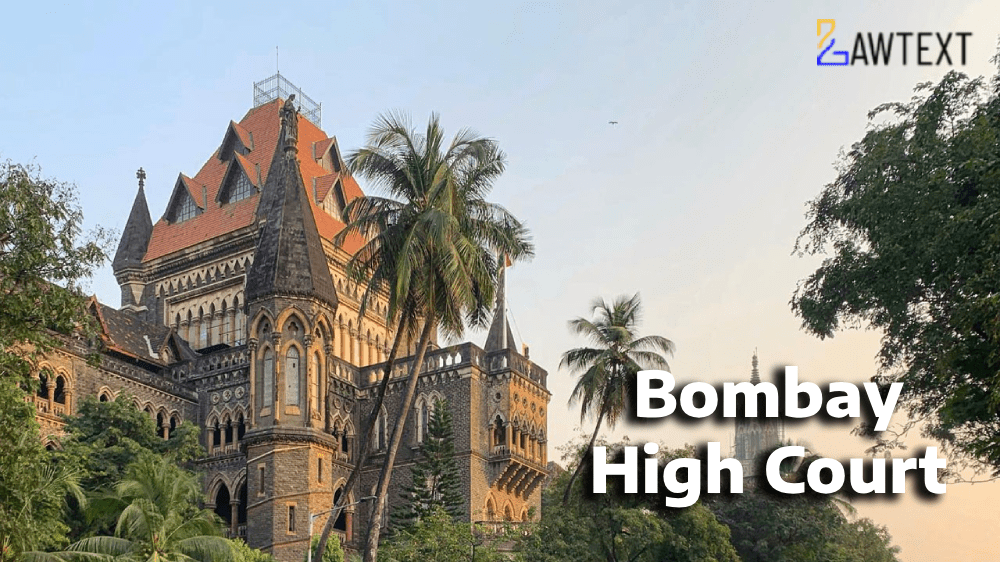
Bombay High Court Acquits Appellant in Murder Case Due to Unreliable Circumstantial Evidence. Conviction under Section 302 IPC set aside as prosecution failed to prove guilt beyond reasonable doubt.

High Court: Bombay High Court Bench: NAGPUR In Favour of Accused
  • 24
Judgement Image
Font size:
Print

Case Note & Summary

The appellant, Ananta Mahadeo Motghare, was convicted by the Additional Sessions Judge, Chandrapur, for the murder of Nanaji Raghoji Dhok under Section 302 of the Indian Penal Code and sentenced to life imprisonment. The prosecution case was based on circumstantial evidence. On the night of 23-24 November 2013, the complainant Sadanand Nagpure, a neighbor, heard cries for help from the deceased's house. He gathered other neighbors and they heard sounds of beating. The police were called, and upon breaking open the door, they found the deceased's body with head injuries and the appellant hiding behind a drum. The appellant was arrested. The trial court convicted him based on the testimony of the complainant and other witnesses, and the recovery of a weapon. The appellant appealed to the Bombay High Court. The High Court examined the evidence and found that the witnesses were interested and their testimony was inconsistent and unreliable. The alleged motive of a money dispute was not proved. The court held that the circumstantial evidence did not form a complete chain pointing only to the appellant's guilt. The appeal was allowed, the conviction was set aside, and the appellant was acquitted. The court directed his release unless required in another case.

Headnote

A) Criminal Law - Murder - Circumstantial Evidence - Section 302 Indian Penal Code, 1860 - Conviction based on circumstantial evidence requires that the chain of circumstances is complete and points only to the guilt of the accused - In this case, the prosecution relied on last seen evidence and recovery of weapon, but the witnesses were interested and their testimony was inconsistent - Held that the prosecution failed to prove the case beyond reasonable doubt (Paras 1-20).

B) Evidence Act - Interested Witness - Credibility - Testimony of related or interested witnesses must be scrutinized with care - The complainant and other witnesses were neighbors and friends, but their evidence was contradictory and lacked corroboration - Held that such evidence cannot form the basis of conviction (Paras 10-15).

C) Criminal Law - Motive - Proof of Motive - Section 302 Indian Penal Code, 1860 - Motive is a relevant factor but not essential if other evidence is strong - In this case, the alleged motive of money dispute was not proved - Held that absence of proved motive weakens the prosecution case (Paras 16-18).

Subscribe to unlock Headnote Subscribe Now

Issue of Consideration

Whether the conviction of the appellant under Section 302 of the Indian Penal Code for murder is sustainable based on circumstantial evidence and the testimony of interested witnesses.

Subscribe to unlock Issue of Consideration Subscribe Now

Final Decision

Appeal allowed. Conviction set aside. Appellant acquitted. Bail bonds cancelled. Fine, if paid, to be refunded.

Law Points

  • Circumstantial evidence must be complete and consistent with guilt
  • motive must be proved
  • last seen theory requires corroboration
  • benefit of doubt must be given when evidence is unreliable

Subscribe to unlock Law Points Subscribe Now

Case Details

2017 LawText (BOM) (11) 167

Criminal Appeal No.56 of 2017

2017-11-16

R.K. Deshpande, M.G. Giratkar

Mr. A.M. Jaltare for Appellant, Mr. V.P. Gangane for Respondent

Ananta Mahadeo Motghare

State of Maharashtra

Subscribe to unlock Case Details (Citation, Judge, Date & more) Subscribe Now

Nature of Litigation

Criminal appeal against conviction for murder

Remedy Sought

Appellant sought acquittal from conviction under Section 302 IPC

Filing Reason

Appellant was convicted and sentenced to life imprisonment for murder

Previous Decisions

Trial court convicted appellant in Sessions Trial No.26 of 2014 on 20.11.2015

Issues

Whether the conviction based on circumstantial evidence is sustainable Whether the testimony of interested witnesses is credible

Submissions/Arguments

Appellant argued that the evidence is unreliable and the prosecution failed to prove motive Respondent argued that the circumstantial evidence is sufficient for conviction

Ratio Decidendi

In a case based on circumstantial evidence, the chain of circumstances must be complete and consistent only with the guilt of the accused. The testimony of interested witnesses must be scrutinized carefully and if found unreliable, cannot form the basis of conviction. Absence of proved motive weakens the prosecution case.

Judgment Excerpts

Appellant Ananta Mahadeo Motghare was tried for the offence punishable under Section 302 of the Indian Penal Code for committing murder of Nanaji Raghoji Dhok. The learned trial Court convicted the appellant for the said offence and sentenced him to suffer imprisonment for life and to pay a fine of Rs.3,000/-, in default to suffer rigorous imprisonment for three months.

Procedural History

The appellant was tried in Sessions Trial No.26 of 2014 before the Additional Sessions Judge, Chandrapur, who convicted him on 20.11.2015. The appellant filed Criminal Appeal No.56 of 2017 before the Bombay High Court, Nagpur Bench. The appeal was reserved on 7.11.2017 and pronounced on 16.11.2017.

Acts & Sections

  • Indian Penal Code, 1860: 302
Subscribe to unlock full Legal Analysis Subscribe Now
Related Judgement
High Court High Court of Karnataka Quashes 100 Contract Carriage Permits for Non-Compliance with Motor Vehicles Act — Permits Issued Without Prior Grant Order and Without Attaching Mandatory Conditions Under Section 74(2).
Related Judgement
High Court High Court of Karnataka Allows Admission of Student with Non-Qualifying NEET Score in BDS Course — University Directed to Approve Admission Based on COMED-K Allotment and College's Recommendation. The Court held that the University cannot refuse ap...