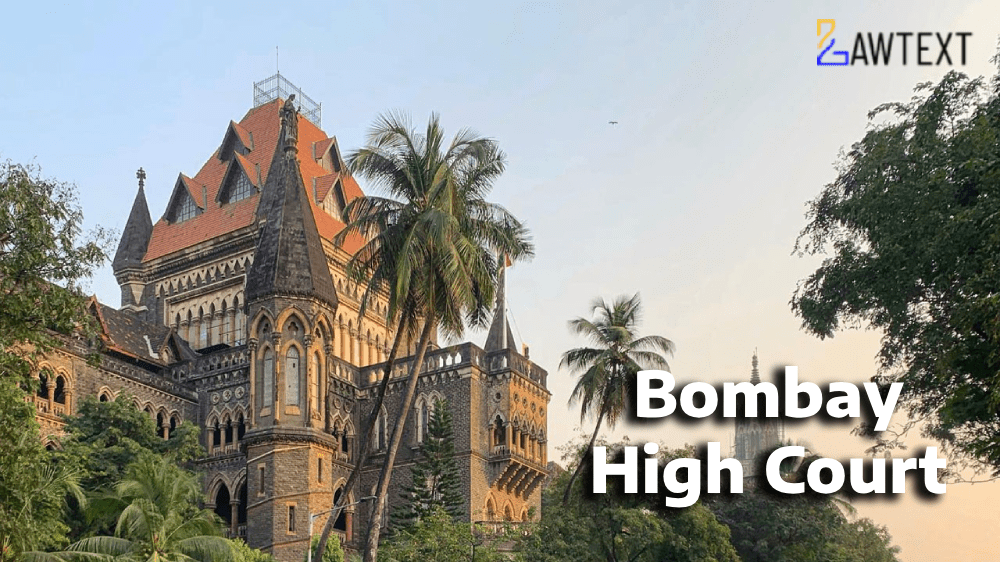
Case Note & Summary
The petitioner, Arun Waman Khadtale, was initially appointed as a casual labourer in the Naval Dockyard in 1975 and was confirmed as a permanent labourer on 7th December 1980. While working in the Naval Dockyard, he was proceeded against for unauthorized absence and was removed from service by an order dated 18th November 1998. The petitioner challenged the removal order by filing an appeal, which was rejected by the respondent on 24th November 1998. Subsequently, he filed Original Application No.336 of 2002 before the Central Administrative Tribunal, Mumbai, which was dismissed on 13th January 2012. Aggrieved by the Tribunal's order, the petitioner filed the present writ petition under Article 226 of the Constitution of India. The main legal issue was whether the punishment of removal from service for unauthorized absence was disproportionate to the misconduct. The petitioner argued that the punishment was too harsh and that the Tribunal erred in not interfering. The respondent, Union of India, supported the Tribunal's order, contending that the punishment was proportionate given the petitioner's habitual absence and the nature of service in a disciplined force. The High Court, after hearing both sides, held that the disciplinary authority had exercised its discretion properly and that the punishment of removal was not shockingly disproportionate. The court noted that the petitioner had been absent without leave on multiple occasions, and in a disciplined organization like the Navy, such conduct cannot be tolerated. The court further observed that the scope of judicial review in disciplinary matters is limited and that the Tribunal had correctly dismissed the application. Consequently, the High Court dismissed the writ petition, upholding the order of removal and the Tribunal's decision.
Headnote
A) Service Law - Disciplinary Proceedings - Unauthorized Absence - Proportionality of Punishment - The petitioner, a permanent labourer in Naval Dockyard, was removed from service for unauthorized absence. The Central Administrative Tribunal dismissed his challenge. The High Court held that the punishment of removal was not disproportionate given the petitioner's habitual absence and the disciplinary authority's discretion. The court declined to interfere under Article 226 of the Constitution of India. (Paras 5-7) B) Service Law - Judicial Review - Interference with Punishment - The court reiterated that the scope of judicial review in disciplinary matters is limited to examining whether the punishment is shockingly disproportionate. Applying the test, the court found the punishment of removal for unauthorized absence, especially in a disciplined force like the Navy, was not shockingly disproportionate. (Paras 6-7)
Issue of Consideration
Whether the punishment of removal from service for unauthorized absence was disproportionate to the misconduct, warranting interference by the High Court under Article 226 of the Constitution of India.
Final Decision
The High Court dismissed the writ petition, upholding the order of removal from service and the Central Administrative Tribunal's order.
Law Points
- Disciplinary proceedings
- unauthorized absence
- proportionality of punishment
- judicial review of disciplinary actions
- interference with punishment by courts