
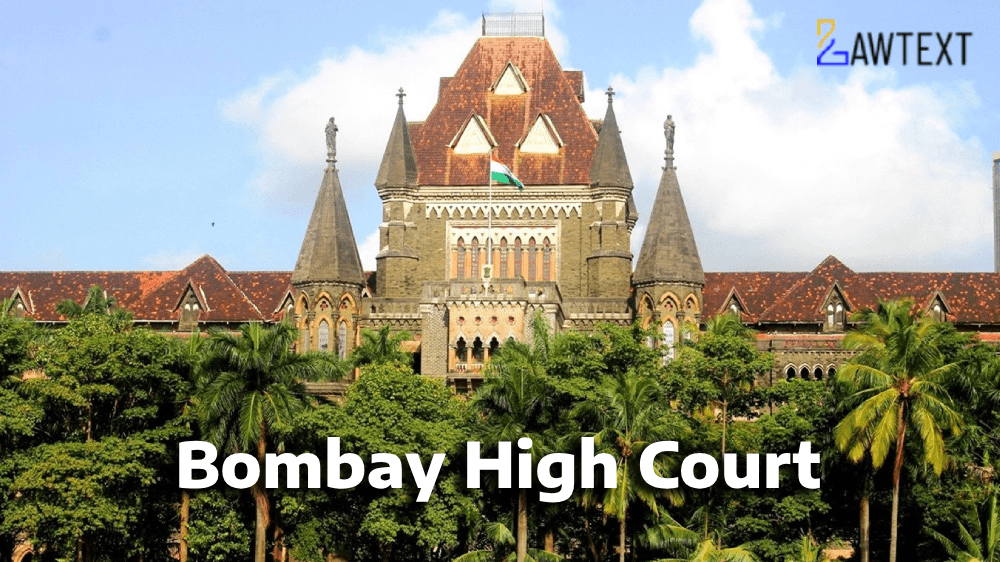
Case Note & Summary
The case involved a writ petition filed by a journalist challenging the legality of his arrest and detention by the police under FIR No. 24 of 2022. The Petitioner was arrested on January 15, 2022, under Sections 384 and 506 of the Indian Penal Code, 1860, based on a complaint alleging extortion. The Petitioner contended that his arrest was illegal as it did not comply with the guidelines set forth by the Supreme Court in the case of Arnesh Kumar vs. State of Bihar, which mandates that police must record reasons for arrest and serve a notice under Section 41A of the Cr.P.C. before arresting a person for non-bailable offences. The Respondent-State argued that the arrest was justified due to the nature of the complaint and the Petitioner’s alleged actions. However, the Court found that the police failed to follow the necessary legal procedures, including the lack of service of notice under Section 41A and the absence of recorded reasons for the arrest. The Court held that the Petitioner’s detention was unlawful and ordered an inquiry into the police conduct, along with compensation of Rs. 25,000 to be paid to the Petitioner. The Court emphasized the importance of protecting individual rights against arbitrary police actions and directed that the inquiry be completed within eight weeks, with a report to be presented to the Court (Paras 1-13).
Headnote
A) Constitutional Law - Right to Liberty - Illegal Arrest - Article 21 of the Constitution of India - The Petitioner’s arrest was declared illegal as it violated the procedural safeguards mandated by the Code of Criminal Procedure, 1973, particularly Sections 41 and 41A, which require justification for arrest and prior notice. The Court emphasized the need for police to adhere to legal standards before making an arrest to protect individual liberty (Paras 10-12).
Issue of Consideration
Whether the arrest and detention of the Petitioner were legal under the provisions of the Code of Criminal Procedure, 1973.
Final Decision
The Court declared the arrest of the Petitioner illegal, ordered an inquiry into the police conduct, and directed the State to pay Rs. 25,000 as compensation to the Petitioner. The inquiry was to be completed within eight weeks, and the compensation was to be recovered from the responsible police officers.
Law Points
- Article 226
- Section 482 Cr.P.C.
- Section 41 Cr.P.C.
- Section 41A Cr.P.C.
- Arnesh Kumar case
- D. K. Basu case
- Joginder Kumar case





