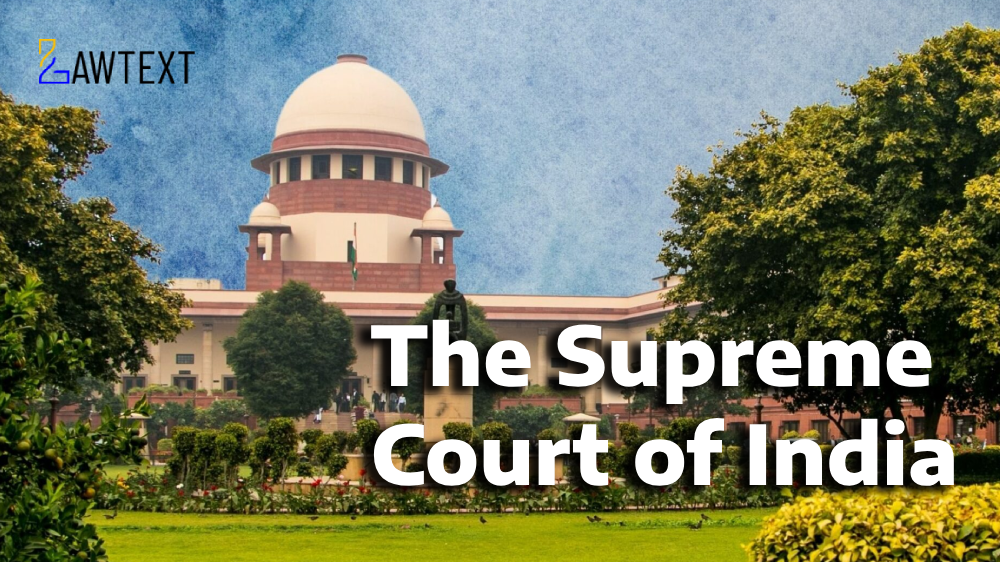
Case Note & Summary
The Supreme Court of India dealt with four consolidated criminal appeals filed by multiple appellants challenging their conviction and sentence for offences under the Indian Penal Code, 1860 and the Arms Act, 1959. The background involved a prosecution case where the appellants, described as dangerous individuals terrorizing fish traders, were alleged to have ransacked a fish stall, looted money and fish, and later assaulted and shot the victim, Paritosh Dey, resulting in his death. The incident led to the registration of Balurghat P.S. Case No.218 of 2011 under Sections 302/120B IPC read with Section 27(3) of the Arms Act. The facts unfolded with the appellants giving an undertaking after a merchant association meeting, but they subsequently threatened the victim and his brother, culminating in the fatal assault on May 8, 2011. During investigation, weapons were recovered based on statements, a post-mortem recovered a bullet fragment, and a ballistic report was obtained. The trial in Sessions Trial No.07 of 2012 resulted in the conviction of five appellants and acquittal of one, with sentences of life imprisonment and fines imposed. The High Court dismissed their appeals, confirming the trial court's judgment. The legal issues centered on whether the delay in recording statements of eye-witnesses under Sections 161 and 164 CrPC rendered the prosecution case unreliable and whether the conviction was sustainable. The appellants argued that the delay was fatal and relied on precedents such as Balakrushna Swain v. State of Orissa, while the State contended that the delay was explained by the terror unleashed by the accused, causing witnesses to flee and only come forward after arrests. The court's analysis emphasized that mere delay does not automatically discredit witness testimony if adequately explained by fear or intimidation. It found that the material on record established the fear created by the accused, justifying the delay, and that the testimonies of PW18 and PW19 were cogent, consistent, and trustworthy. Additionally, supporting evidence like weapon recoveries and ballistic reports bolstered the prosecution case. The decision affirmed the views of the trial court and High Court, dismissing all appeals and upholding the convictions and sentences.
Headnote
A) Criminal Law - Evidence - Witness Testimony - Code of Criminal Procedure, 1973, Sections 161, 164 - Delay in recording statements of eye-witnesses under Sections 161 and 164 CrPC was challenged as fatal to prosecution case - Court held that mere delay does not invalidate testimony if explained by fear or intimidation from accused, as witnesses fled in terror and came forward only after accused arrest - Testimonies of PW18 and PW19 were found cogent, consistent, and trustworthy, supporting conviction (Paras 4-5). B) Criminal Law - Conviction and Sentence - Murder and Arms Act - Indian Penal Code, 1860, Sections 302, 120B, 34; Arms Act, 1959, Section 27(3) - Appellants convicted under Sections 302/120B IPC read with Section 27(3) Arms Act for murder and conspiracy - Trial Court and High Court affirmed conviction based on eye-witness accounts, recoveries of weapons (revolver, dagger, bhojali), and ballistic report matching bullet fragment from victim - Supreme Court dismissed appeals, upholding life imprisonment and fines, finding no merit to overturn lower courts' decisions (Paras 2-6).
Issue of Consideration
Whether delay in recording statements of eye-witnesses under Sections 161 and 164 of the Code of Criminal Procedure, 1973 is fatal to the prosecution case and whether the conviction based on their testimonies is sustainable
Final Decision
Supreme Court dismissed all criminal appeals, affirmed the view taken by Trial Court and High Court, upheld conviction and sentence of life imprisonment with fines under Sections 302/120B IPC read with Section 27(3) Arms Act
Law Points
- Delay in recording witness statements under Sections 161 and 164 CrPC does not automatically invalidate testimony if adequately explained by fear or intimidation
- eye-witness account must be cogent
- consistent
- and trustworthy for conviction
- recovery of weapons and ballistic evidence can support prosecution case
- terror created by accused can justify delay in witness statements