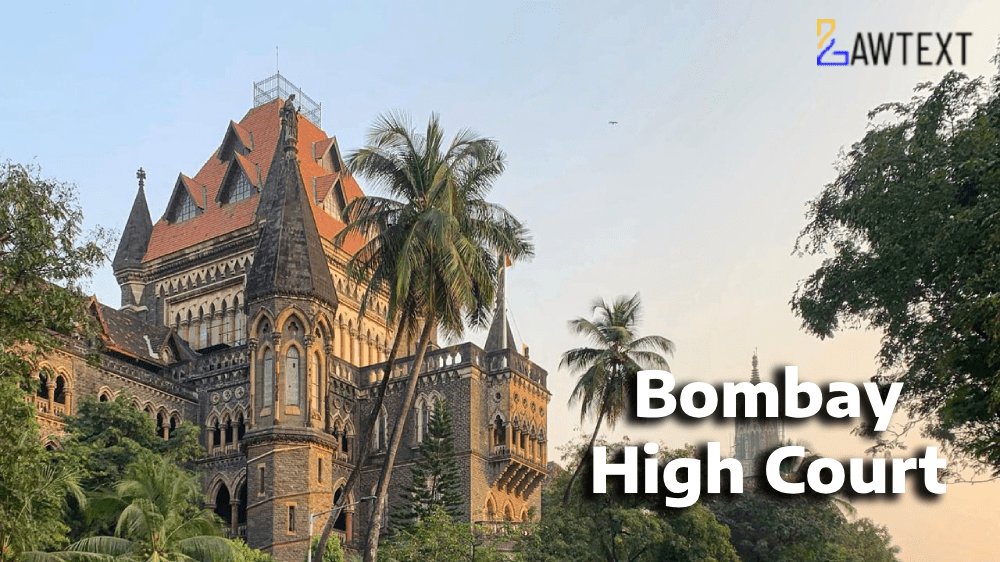
Bombay High Court Dismisses Developer's Appeal Against Arbitrator's Refusal of Interim Relief in Development Dispute. Court upholds arbitrator's discretion under Section 17 of Arbitration and Conciliation Act, 1996, finding no patent illegality or perversity in order denying interim injunction to developer under Development Agreement dated 3/2/2018.

High Court: Bombay High Court Bench: BOMBAY
  • 1
Judgement Image
Font size:
Print

Case Note & Summary

The petitioner, M/s Viraj Kamman Real Estate Developers Pvt Ltd, a real estate development company, entered into a Development Agreement dated 3/2/2018 with the respondent, Gopal Terrace Co-operative Housing Society Ltd, for development of a plot in Borivali, Mumbai. Disputes arose between the parties, and the petitioner filed arbitration petitions under Section 9 of the Arbitration and Conciliation Act, 1996, seeking interim relief. The court permitted conversion of these petitions into applications under Section 17 of the Act before the Sole Arbitrator. The arbitrator, by order dated 9/11/2022, refused interim relief to the petitioner, recording that the balance of convenience was in favour of the respondent Society and that the petitioner could prove its alleged monetary loss/damages at trial. The petitioner challenged this order under Section 37 of the Act, arguing that the order was patently illegal, erroneous, manifestly arbitrary, and perverse. The High Court, after hearing submissions, dismissed the appeal, holding that the arbitrator had exercised discretion judiciously and that there was no ground for interference under Section 37. The court noted that the arbitrator had considered the rival contentions and applied the correct legal principles regarding prima facie case, balance of convenience, and irreparable loss. The court also dismissed the connected Section 9 petition as infructuous.

Headnote

A) Arbitration Law - Interim Relief under Section 17 - Refusal of Injunction - The arbitrator refused interim relief to the developer claimant, holding that balance of convenience was in favour of the respondent Society and that the developer could prove monetary loss/damages at trial. The High Court found no patent illegality or perversity in the arbitrator's exercise of discretion, as the arbitrator had considered the rival contentions and applied the correct legal principles. (Paras 1-2)

B) Arbitration Law - Appeal under Section 37 - Scope of Interference - The court reiterated that the scope of interference under Section 37 of the Arbitration and Conciliation Act, 1996 is limited to cases of patent illegality, perversity, or manifest arbitrariness. The appellate court cannot re-appreciate evidence or substitute its own view for that of the arbitrator. (Paras 1-2)

C) Contract Law - Development Agreement - Interim Protection - The dispute arose from a Development Agreement dated 3/2/2018 between the developer and the cooperative housing society. The developer sought interim relief to protect its rights under the agreement, but the arbitrator found that the balance of convenience did not favour granting such relief. (Paras 1-2)

Subscribe to unlock Headnote Subscribe Now

Issue of Consideration

Whether the order of the Sole Arbitrator dated 9/11/2022 refusing interim relief under Section 17 of the Arbitration and Conciliation Act, 1996 to the petitioner developer is patently illegal, erroneous, manifestly arbitrary or perverse, warranting interference under Section 37 of the Act.

Subscribe to unlock Issue of Consideration Subscribe Now

Final Decision

The High Court dismissed the arbitration petition under Section 37 (CARBPL 37219/2022) and also dismissed the connected Section 9 petition (CARBPL 37197/2022) as infructuous, upholding the arbitrator's order dated 9/11/2022.

Law Points

  • Section 37 of Arbitration and Conciliation Act
  • 1996
  • Section 17 of Arbitration and Conciliation Act
  • Section 9 of Arbitration and Conciliation Act
  • Balance of convenience
  • Prima facie case
  • Irreparable loss
  • Patent illegality
  • Perversity
  • Manifest arbitrariness
Subscribe to unlock Law Points Subscribe Now

Case Details

2023 LawText (BOM) (04) 58

COMM. ARBITRATION PETITION (L) NO. 37197 OF 2022 and COMM. ARBITRATION PETITION (L) NO. 37219 OF 2022

2023-04-05

Bharati Dangre

2023:BHC-OS:3566

Mr. Mayur Khandeparkar with Mr.Sanjay Kadam, Sanjeel Kadam, Mr.Nitisha Lad i/b M/s.Kadam & Co. for the petitioner; Mr.Gauraj Shah with Anand Mohan, Pratik Jani and Princee Vaishnav i/b Prime Legem for the respondent no.1 in both matters; Mr.Rashmin Khandekar with Ekta Mayanvashi for respondent no.3 in CARBPL 37197/2022

M/s.Viraj Kamman Real Estate Developers P.Ltd

Gopal Terrace Co-op Housing Society Ltd & ors

Subscribe to unlock Case Details (Citation, Judge, Date & more) Subscribe Now

Nature of Litigation

Appeal under Section 37 of the Arbitration and Conciliation Act, 1996 against an order of the Sole Arbitrator refusing interim relief under Section 17 of the Act.

Remedy Sought

The petitioner developer sought to set aside the arbitrator's order dated 9/11/2022 and sought interim relief to protect its rights under the Development Agreement dated 3/2/2018.

Filing Reason

The petitioner challenged the arbitrator's refusal of interim relief, claiming the order was patently illegal, erroneous, manifestly arbitrary, and perverse.

Previous Decisions

The Sole Arbitrator by order dated 9/11/2022 refused interim relief to the petitioner, holding that balance of convenience was in favour of the respondent Society and that the petitioner could prove monetary loss/damages at trial.

Issues

Whether the arbitrator's order refusing interim relief under Section 17 of the Arbitration and Conciliation Act, 1996 is patently illegal, erroneous, manifestly arbitrary, or perverse. Whether the High Court should interfere with the arbitrator's discretion under Section 37 of the Act.

Submissions/Arguments

The petitioner argued that the arbitrator's order was patently illegal, erroneous, manifestly arbitrary, and perverse, and that the court should exercise its power under Section 37 to set it aside and grant interim relief. The respondent Society supported the arbitrator's order, contending that the arbitrator had correctly exercised discretion and that there was no ground for interference.

Ratio Decidendi

The scope of interference under Section 37 of the Arbitration and Conciliation Act, 1996 is limited to cases of patent illegality, perversity, or manifest arbitrariness. The arbitrator's discretion in refusing interim relief under Section 17, based on balance of convenience and the ability to prove damages at trial, is not open to reappreciation by the appellate court unless it is shown to be perverse or patently illegal.

Judgment Excerpts

By an Arbitration Petition (L) 37219/2022, filed under Section 37 of the Arbitration and Conciliation Act, the petitioner Company engaged in the business of Real Estate development has raised a challenge to the an order dated 9/11/2022, passed by the Sole Arbitrator... It is this order which is clamped as patently illegal, erroneous, manifestly arbitrary and perverse...

Procedural History

The petitioner filed arbitration petitions under Section 9 of the Arbitration and Conciliation Act, 1996. The court permitted conversion of these petitions into applications under Section 17 before the Sole Arbitrator. The arbitrator passed an order on 9/11/2022 refusing interim relief. The petitioner then filed an appeal under Section 37 against that order, along with the pending Section 9 petition.

Acts & Sections

  • Arbitration and Conciliation Act, 1996: Section 9, Section 17, Section 37
Subscribe to unlock full Legal Analysis Subscribe Now
Related Judgement
High Court Bombay High Court Dismisses Developer's Appeal Against Arbitrator's Refusal of Interim Relief in Development Dispute. Court upholds arbitrator's discretion under Section 17 of Arbitration and Conciliation Act, 1996, finding no patent illegality or pe...
Related Judgement
High Court Bombay High Court Allows Writ Petition for Regularisation of Ad Hoc Teacher's Services - Management Directed to Submit Proposal for Approval. The court held that the management must submit a proposal for approval of the petitioner's services to the D...