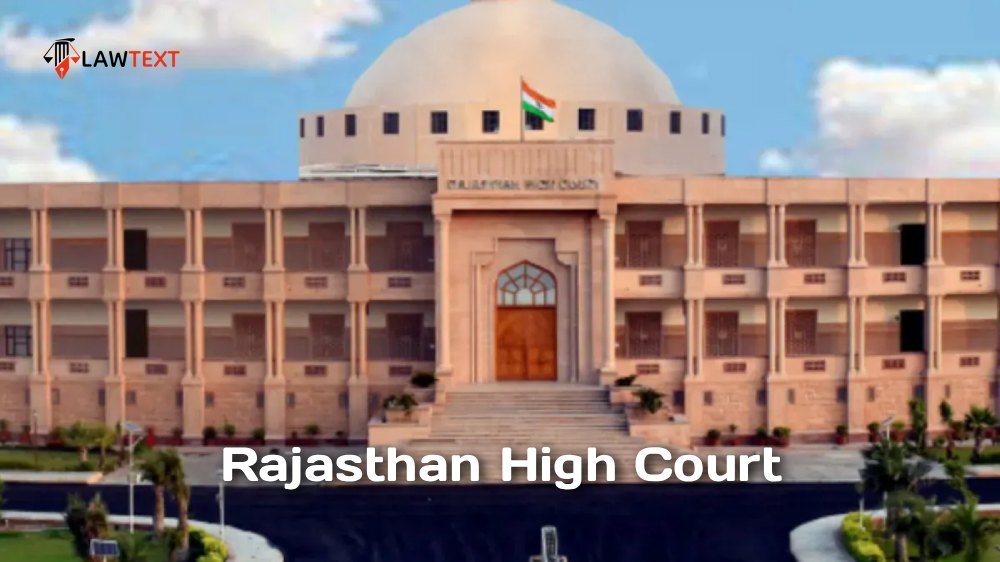
Case Note & Summary
The petitioners, Si2 Microsystems Pvt. Ltd. and its director Sanjay Vedaprakash Soni, availed a cash credit facility of Rs. 10 crores and a term loan from Bank of Baroda. Upon default, the Debt Recovery Tribunal issued a recovery certificate, and the mortgaged property was auctioned. Respondent No.3, M. Arun, purchased the property and a sale certificate was issued in his favour. Subsequently, the petitioners filed an application before the Recovery Officer stating that they had a prospective buyer willing to pay a higher price and sought cancellation of the sale certificate. The Recovery Officer rejected the application. Instead of filing a statutory appeal under Section 30 of the Recovery of Debts Due to Banks and Financial Institutions Act, 1993, the petitioners filed a writ petition under Article 226 of the Constitution of India. The court noted that the basic facts were not in dispute and that the petitioners had an alternative remedy by way of appeal. The court held that the existence of an alternative remedy is a relevant factor for exercising writ jurisdiction, and since the petitioners did not avail the remedy, the writ petition was not maintainable. The court also observed that after the sale certificate is issued, the sale is complete and cannot be set aside merely on the basis of a higher offer. The writ petition was dismissed with no order as to costs.
Headnote
A) Constitutional Law - Writ Jurisdiction - Alternative Remedy - Article 226 of the Constitution of India - Section 30 of the Recovery of Debts Due to Banks and Financial Institutions Act, 1993 - The petitioners challenged the order of the Recovery Officer rejecting their application to cancel the sale certificate issued in favour of the auction purchaser, without filing a statutory appeal under Section 30 of the RDB Act. The court held that the existence of an alternative statutory remedy is a relevant factor for exercising writ jurisdiction, and since the petitioners did not avail the remedy, the writ petition was not maintainable. (Paras 1-5) B) Debt Recovery - Auction Sale - Cancellation of Sale Certificate - Recovery of Debts Due to Banks and Financial Institutions Act, 1993 - Section 30 - The petitioners sought cancellation of the sale certificate on the ground that a prospective buyer offered a higher price. The court held that after the sale certificate is issued, the sale is complete and cannot be set aside merely on the basis of a higher offer, especially when no fraud or irregularity is alleged. (Paras 1-3) C) Debt Recovery - Recovery Officer - Appealable Orders - Section 30 of the Recovery of Debts Due to Banks and Financial Institutions Act, 1993 - The order of the Recovery Officer rejecting the application to cancel the sale certificate is an appealable order under Section 30 of the RDB Act. The petitioners' failure to file an appeal precludes them from invoking the writ jurisdiction of the High Court. (Paras 4-5)
Issue of Consideration
Whether the High Court should entertain a writ petition under Article 226 of the Constitution of India challenging the order of the Recovery Officer rejecting the petitioners' application to cancel the sale certificate, when the petitioners did not avail the statutory remedy of appeal under Section 30 of the Recovery of Debts Due to Banks and Financial Institutions Act, 1993.
Final Decision
The writ petition is dismissed. No order as to costs.
Law Points
- Writ jurisdiction under Article 226 not to be exercised when alternative statutory remedy of appeal under Section 30 of RDB Act available and not availed
- Auction sale cannot be set aside merely on offer of higher price after sale certificate issued
- Recovery Officer's order rejecting application to cancel sale certificate is appealable under Section 30 of RDB Act