
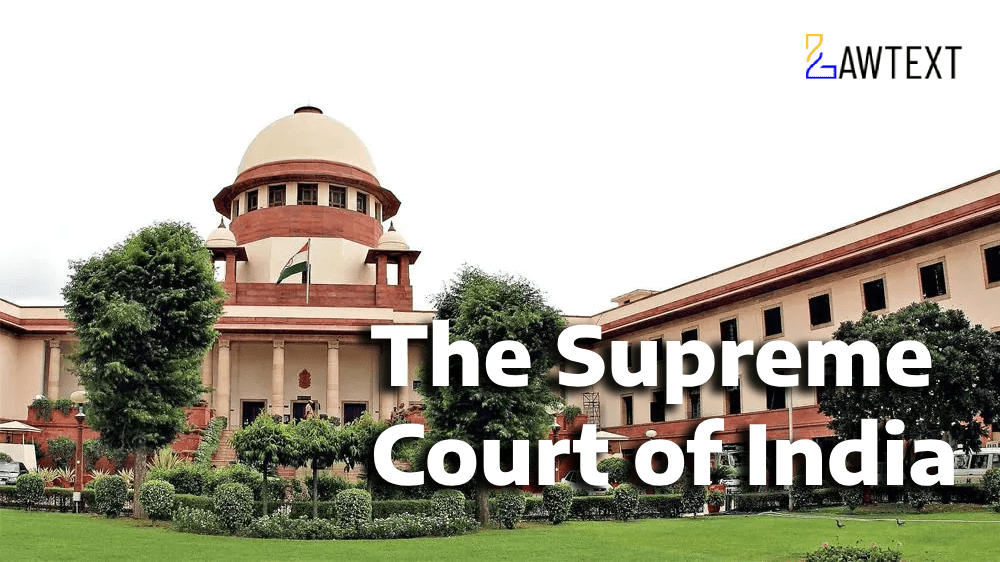
Case Note & Summary
The dispute originated from a batch of 49 writ petitions filed by office bearers of the Rashtriya Swayam Sevak Sangh (RSS) before the Madras High Court, seeking directions to permit a Route March on 02.10.2022. The police authorities had not considered their applications for permission. The High Court disposed of the writ petitions with certain directions on 22.09.2022. Subsequently, the State filed review applications, and one representation for permission in Chennai was rejected by the local Inspector of Police on 27.09.2022. This led to a legal notice on 28.09.2022 and a contempt petition against government and police officials. When the contempt petition was heard on 30.09.2022, the High Court found the police justified in rejecting the request due to law and order concerns. The petitioners then filed special leave petitions before the Supreme Court, challenging the High Court's orders in the writ, review, and contempt proceedings. The Supreme Court heard arguments from senior counsel for both sides. The core legal issues involved the scope of police powers under Section 30 of the Police Act, 1861, to regulate processions, and the propriety of the contempt proceedings. The petitioners argued that the denial of permission was arbitrary and violated their rights, while the respondents contended that the police acted within their statutory authority to maintain public order. The Supreme Court analyzed the facts and the High Court's reasoning, emphasizing that the police have discretion under Section 30 to impose conditions or refuse permission based on potential disturbances. The court found that the police provided valid justifications for rejection, and thus, the High Court's orders did not merit interference. The Supreme Court dismissed all special leave petitions, upholding the High Court's decisions and affirming the police's authority to regulate assemblies in the interest of law and order.
Headnote
A) Constitutional Law - Fundamental Rights - Freedom of Assembly - Police Act, 1861, Section 30 - Office bearers of an organisation sought permission for a Route March, which was rejected by police authorities citing law and order concerns - The Supreme Court upheld the police's authority to regulate processions under Section 30, finding no arbitrariness in the rejection - Held that the High Court's orders were justified and did not warrant interference (Paras 1-5). B) Civil Procedure - Contempt of Court - Contempt Proceedings - Contempt of Courts Act, 1971 - A contempt petition was filed after police rejected permission for the Route March, alleging non-compliance with earlier directions - The Supreme Court found no contempt as the police provided justified reasons for rejection - Held that the contempt proceedings were properly dismissed by the High Court (Paras 4-5). C) Civil Procedure - Special Leave Petitions - Delay Condonation - Code of Civil Procedure, 1908 - Delay was condoned in one special leave petition (D.No.10656 of 2023) - The Supreme Court exercised its discretion to condone the delay to hear the matter on merits - Held that condonation was appropriate for judicial efficiency (Para 1).
Issue of Consideration
Whether the High Court erred in its orders regarding the permission for a Route March and the subsequent contempt proceedings, and whether the police authorities acted within their powers under the Police Act, 1861.
Final Decision
The Supreme Court dismissed all special leave petitions, upholding the High Court's orders and the police's authority under Section 30 of the Police Act, 1861.
Law Points
- Police powers under Section 30 of the Police Act
- 1861
- judicial review of administrative decisions
- principles of contempt of court
- delay condonation in special leave petitions





