
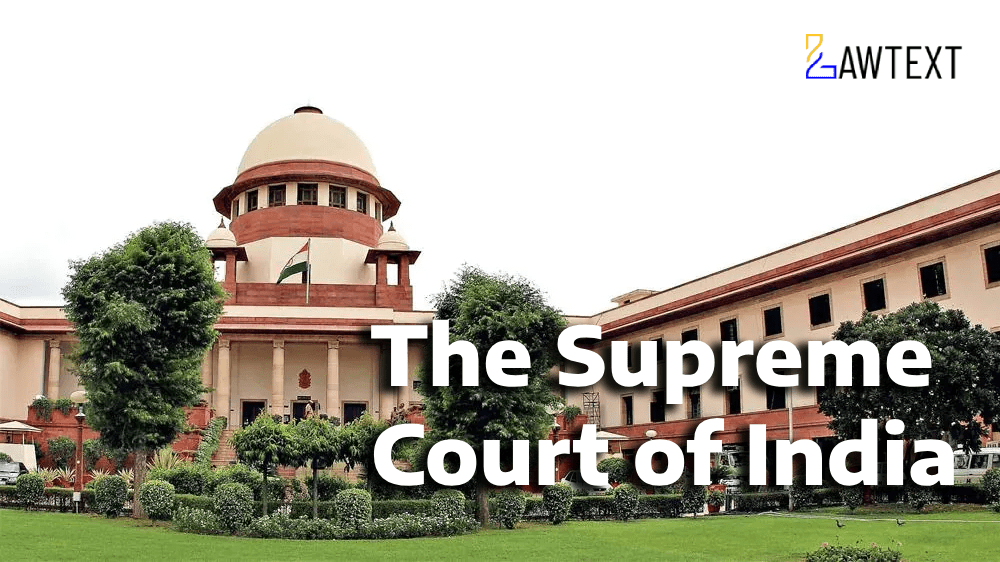
Supreme Court Quashes Conviction in Prevention of Corruption Act Case Due to Procedural Irregularities. Appellate Court's Decision Without Trial Court Records Violates Section 385 CrPC and Article 21 of Constitution, Requiring Fresh Consideration.

  • 12
Judgement Image
Font size:
Print

Case Note & Summary

The Supreme Court considered an appeal arising from a corruption conviction under the Prevention of Corruption Act, 1988. The appellant had been convicted by the Trial Court under Sections 7, 13(1) and 13(2) of the Prevention of Corruption Act, 1988 for demanding and accepting a bribe of Rs. 500 while serving as Assistant Commercial Manager, Northern Railway, Lucknow. The Trial Court sentenced the appellant to rigorous imprisonment of one year and a fine of Rs. 500. The High Court, in its judgment dated 23.11.2022, upheld the conviction. The Supreme Court identified two key legal issues: first, whether the appellate court could have upheld the conviction and enhanced the fine in the absence of trial court records; and second, whether this situation violated the accused's fundamental rights under Article 21 of the Constitution given the language of Section 385 of the Code of Criminal Procedure, 1973. The court analyzed the procedural requirements under Section 385 CrPC, which mandates proper hearing and consideration of records before disposal of appeals. The court reasoned that upholding a conviction and enhancing punishment without access to trial court records fundamentally violates procedural safeguards. The Supreme Court held that such procedural irregularities constitute a violation of the accused's fundamental rights under Article 21 of the Constitution, which guarantees protection of life and personal liberty through fair legal procedures. The court quashed the conviction and remanded the matter for fresh consideration with proper procedural compliance.

Headnote

A) Criminal Procedure - Appellate Proceedings - Section 385 CrPC Compliance - Code of Criminal Procedure, 1973, Section 385 - Appellate court upheld conviction and enhanced fine despite absence of trial court records - Court held this violated procedural safeguards under Section 385 CrPC and Article 21 of Constitution - Appellate court cannot decide appeal without proper records and hearing (Paras 1-2)

B) Constitutional Law - Fundamental Rights - Article 21 Violation - Constitution of India, Article 21 - Accused's conviction upheld and fine enhanced without trial court records - Court found this deprived accused of fair hearing rights under Article 21 - Procedural irregularities in appellate process constitute violation of fundamental rights (Paras 1-2)

Subscribe to unlock Headnote Subscribe Now

Issue of Consideration

Whether the appellate court could have upheld the conviction and enhanced the quantum of fine in the absence of the records of the Court of Trial, and whether the present situation constitutes a violation of the accused's fundamental rights under Article 21 of the Constitution of India given the language employed under Section 385 of the Code of Criminal Procedure, 1973

Subscribe to unlock Issue of Consideration Subscribe Now

Final Decision

Supreme Court quashed the conviction and remanded the matter for fresh consideration with proper procedural compliance

Law Points

  • Appellate court cannot uphold conviction or enhance sentence without trial court records
  • Section 385 CrPC mandates proper hearing before disposal
  • violation of procedural safeguards infringes Article 21 rights

Subscribe to unlock Law Points Subscribe Now

Case Details

2023 LawText (SC) (4) 19

CRIMINAL APPEAL NO...............OF 2023 Arising out of SPECIAL LEAVE PETITION (CRL.) NO. 2063 OF 2023

2023-04-24

Sanjay Karol

JITENDRA KUMAR RODE

UNION OF INDIA

Subscribe to unlock Case Details (Citation, Judge, Date & more) Subscribe Now

Nature of Litigation

Criminal appeal against conviction under Prevention of Corruption Act, 1988

Remedy Sought

Appellant seeking quashing of conviction upheld by High Court

Filing Reason

Appeal against High Court judgment dated 23.11.2022 upholding conviction

Previous Decisions

Trial Court convicted appellant under Sections 7, 13(1) and 13(2) of Prevention of Corruption Act, 1988 on 04.12.1999; High Court upheld conviction on 23.11.2022

Issues

Whether appellate court could have upheld conviction and enhanced fine in absence of trial court records Whether present situation constitutes violation of accused's fundamental rights under Article 21 of Constitution given language of Section 385 CrPC

Ratio Decidendi

Appellate court cannot uphold conviction or enhance sentence without trial court records as this violates procedural safeguards under Section 385 CrPC and constitutes violation of fundamental rights under Article 21 of Constitution

Judgment Excerpts

The questions which arise for our consideration are; One, whether, in the absence of the records of the Court of Trial, the appellate Court could have upheld the conviction and enhanced the quantum of fine? whether, given the language employed under Section 385 of the Code of Criminal Procedure, 1973, the present situation constitutes a violation of the accused's fundamental rights under Article 21 of the Constitution of India?

Procedural History

Trial Court convicted appellant on 04.12.1999 under Sections 7, 13(1) and 13(2) of Prevention of Corruption Act, 1988; High Court upheld conviction on 23.11.2022; Supreme Court granted leave and heard appeal

Acts & Sections

  • Prevention of Corruption Act, 1988: 7, 13(1), 13(2)
  • Code of Criminal Procedure, 1973: 385
  • Constitution of India: Article 21
Subscribe to unlock full Legal Analysis Subscribe Now
Related Judgement
Supreme Court Supreme Court Quashes Conviction in Prevention of Corruption Act Case Due to Procedural Irregularities. Appellate Court's Decision Without Trial Court Records Violates Section 385 CrPC and Article 21 of Constitution, Requiring Fresh Consideration.
Related Judgement
Supreme Court Supreme Court Monitors Registration of Unorganized Workers on eShram Portal in Welfare Scheme Implementation. The Court Directed Further Status Report After Reviewing Progress on Registration Targets and Data Sharing Mechanisms with States and Union ...





