
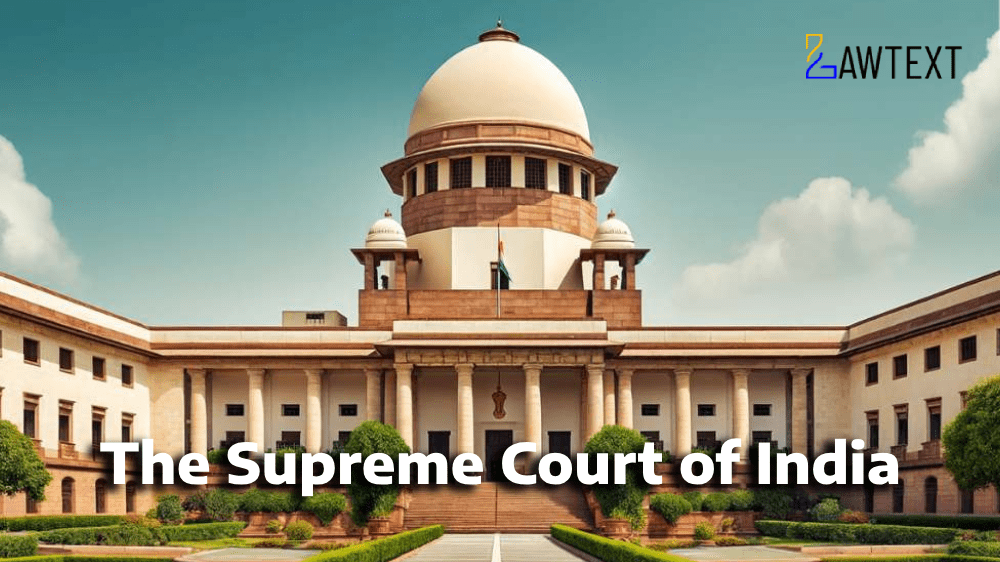
Case Note & Summary
The Supreme Court of India, in a judgment delivered by Justice Hima Kohli, addressed appeals arising from the High Court of Judicature at Bombay's orders granting anticipatory bail to the accused in a rape case. The appellant, a model by profession, filed an FIR alleging that the accused, a businessman, lured her under the guise of offering modelling assignments and then raped her in a hotel room, invoking the casting couch syndrome. The FIR was initially registered under Sections 354, 354-B, and 506 of the Indian Penal Code, 1860, and later, based on the victim's supplementary statement, Section 376 was added. The High Court granted anticipatory bail to the accused through orders dated 21st September 2022 and 7th October 2022, which the appellant challenged, alleging that the police had watered down the offences and failed to conduct a proper investigation, including delaying her medical examination. The core legal issues revolved around whether the High Court erred in granting anticipatory bail considering the gravity of the rape offence and the credibility of the victim's statement. The appellant argued that the accused's actions constituted a serious crime under Section 376 IPC, and the victim's consistent statements and medical evidence supported her allegations, warranting denial of bail. The respondent-accused likely contended for bail based on alleged inconsistencies or procedural lapses. The court analyzed the principles under Section 438 of the Code of Criminal Procedure, 1973, emphasizing that in cases involving serious offences like rape, especially those implicating power dynamics such as casting couch, judicial discretion must be exercised cautiously. The court noted the victim's detailed account, including threats and physical assault, and the medical report corroborating her version, highlighting that the High Court had overlooked these aspects. It held that the grant of anticipatory bail was improper as it failed to account for the seriousness of the allegations and the need to protect the victim's rights. Consequently, the Supreme Court quashed the High Court's orders, directed the accused to surrender, and ordered the trial court to expedite the proceedings, thereby favoring the prosecution by reinforcing the stringent approach required in sexual offence cases.
Headnote
A) Criminal Law - Anticipatory Bail - Section 438 Code of Criminal Procedure, 1973 - Supreme Court quashed anticipatory bail granted by High Court in rape case, emphasizing gravity of offence under Section 376 IPC and victim's credible statement - Court held that High Court failed to consider seriousness of allegations and victim's consistent account, directing accused to surrender and trial court to expedite proceedings (Paras 1-27). B) Criminal Law - Rape Offences - Section 376 Indian Penal Code, 1860 - Allegations involved casting couch syndrome where accused lured victim with modelling assignments and committed rape - Court noted victim's detailed statements and medical evidence supported her version, underscoring need for strict scrutiny in such cases (Paras 3-5). C) Criminal Procedure - Victim's Statement - Credibility Assessment - Court emphasized that victim's statement must be given due weight, especially in sexual offence cases, and inconsistencies should not be exaggerated to deny justice - Held that High Court overlooked victim's consistent allegations and medical report (Paras 3-5).
Issue of Consideration
Whether the High Court erred in granting anticipatory bail to the accused in a rape case involving allegations of casting couch syndrome, considering the gravity of the offence and the victim's credible statement.
Final Decision
Supreme Court quashed the High Court's orders granting anticipatory bail, directed the accused to surrender, and ordered the trial court to expedite proceedings
Law Points
- Anticipatory bail principles under Section 438 CrPC
- gravity of rape offences under Section 376 IPC
- victim's statement credibility
- casting couch syndrome
- judicial discretion in bail matters





