
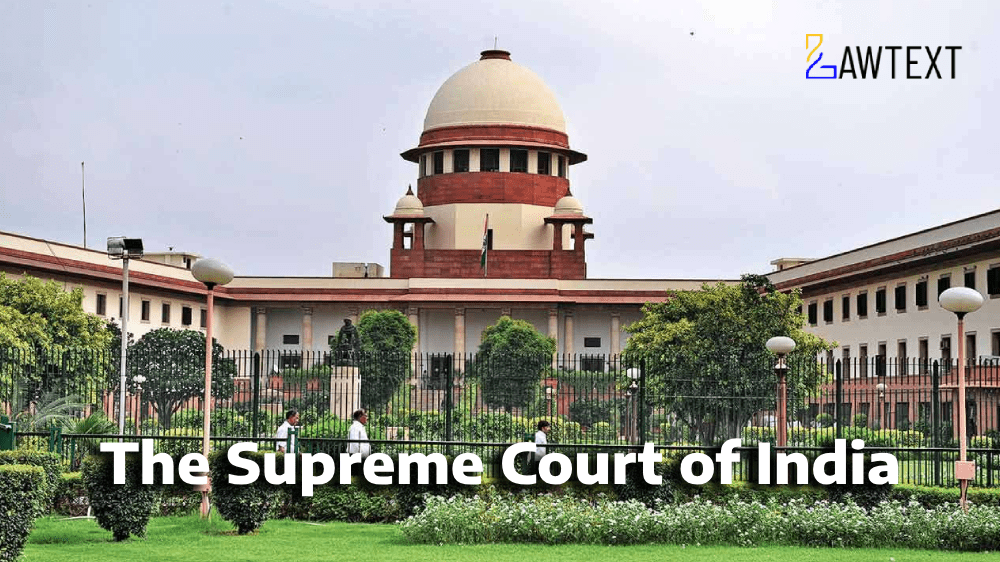
Case Note & Summary
The appellant-accused no.2 was convicted by the Trial Court under Sections 148 and 302 of the Indian Penal Code, 1860 for the murder of Shiva Prasad Reddy, a lawyer, by hacking him with hunting sickles. The incident occurred on 26 July 1997 near Miduthuru crossroads. The prosecution case was that the deceased had contested an election against the appellant for President of the Water Users Association, and the appellant suspected the deceased was responsible for an Excise Police raid on his house. The deceased was attacked by a group of accused armed with hunting sickles. Three eyewitnesses (PW1 and PW3, brothers of deceased, and PW2, an independent witness) testified consistently about the role of each accused, including the appellant who assaulted the deceased on the head. Four other witnesses turned hostile. The Trial Court convicted accused nos.1-4, 10, and 11, while acquitting others. The High Court confirmed the conviction. The appellant appealed to the Supreme Court, arguing that PW1 and PW3 were interested witnesses and that the prosecution failed to prove motive. The Supreme Court examined the evidence and found the testimony of PW1, PW2, and PW3 to be consistent, reliable, and corroborated by recovery of blood-stained hunting sickles and medical evidence showing 16 injuries. The Court held that evidence of close relatives cannot be discarded per se if credible. The appeal was dismissed, but the Court granted the appellant one month to surrender and directed the State to consider his application for permanent remission within two months, noting that co-accused had already received such remission.
Headnote
A) Criminal Law - Murder - Conviction - Sections 148, 302 Indian Penal Code, 1860 - Evidence of Interested Witnesses - The appellant-accused no.2 was convicted for murder based on testimony of PW1 and PW3, brothers of deceased, and PW2, an independent witness. The court held that evidence of close relatives cannot be discarded per se if it is cogent, reliable and credible. The consistent testimony of all three eyewitnesses, corroborated by recovery of blood-stained weapons and medical evidence, upheld the conviction. (Paras 5-8) B) Criminal Law - Motive - Not Essential - Sections 148, 302 Indian Penal Code, 1860 - The court noted that even if motive was not fully established, the direct eyewitness testimony and other corroborative evidence were sufficient to sustain the conviction. (Para 3) C) Criminal Procedure - Remission - Permanent Remission - The court directed the State to consider the appellant's case for permanent remission in accordance with applicable policy, taking into account that co-accused had been granted such remission, within two months of surrender. (Para 9)
Issue of Consideration
Whether the conviction of appellant-accused no.2 under Sections 148 and 302 IPC based on the testimony of interested witnesses (brothers of deceased) is sustainable.
Final Decision
Appeal dismissed. Conviction under Sections 148 and 302 IPC upheld. Appellant granted one month to surrender. State directed to consider permanent remission within two months of surrender.
Law Points
- Evidence of interested witnesses can be relied upon if cogent and credible
- Motive not essential if direct evidence is reliable
- Recovery of weapons with blood stains corroborates testimony






