
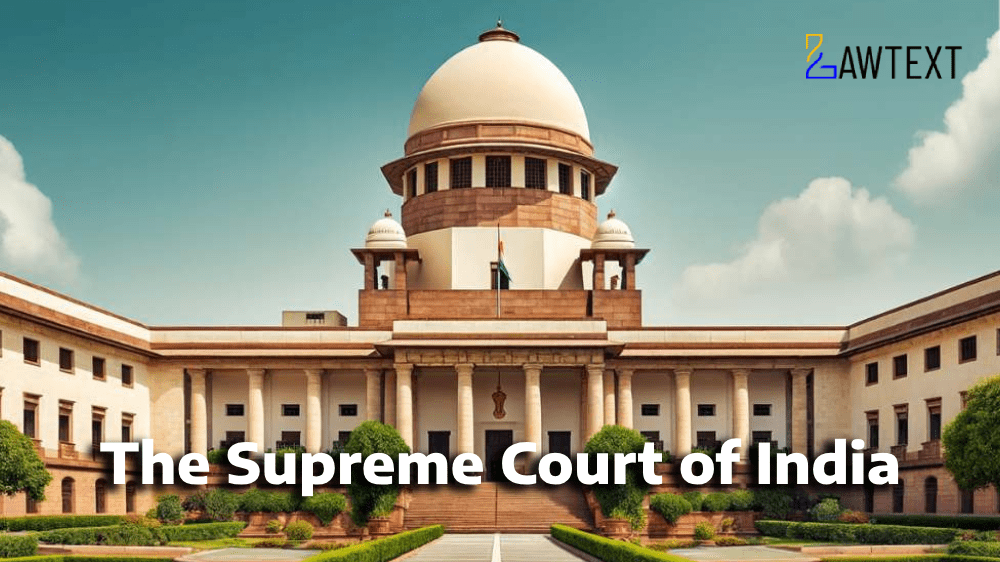
Case Note & Summary
The Supreme Court considered a public interest litigation petition filed under Article 32 of the Constitution of India seeking directions to all State governments to enable free public access to chargesheets and final reports filed under Section 173 of the Code of Criminal Procedure, 1973 on their official websites. The petitioner, represented by counsel Shri Prashant Bhushan, argued that such disclosure would enhance transparency in the criminal justice system, contending that chargesheets filed after investigation deserved greater public access than FIRs based on unsubstantiated allegations. The petitioner relied on the Supreme Court's earlier decision in Youth Bar Association of India v. Union of India which mandated FIR publication within 24 hours, and cited provisions of the CrPC, Indian Evidence Act, and Right to Information Act to support the claim that chargesheets should be publicly accessible. The court thoroughly examined the petitioner's arguments and found them misconceived. Analyzing the CrPC scheme, particularly Sections 173(4), 173(5) and 207, the court noted that these provisions specifically mandate disclosure of chargesheets and related documents only to the accused, not to the general public. The court distinguished the FIR publication precedent, explaining that those directions were intended to protect accused persons from harassment, not to create general public access. Regarding the Evidence Act arguments, the court held that chargesheets do not qualify as public documents under Section 74 but are private documents under Section 75. The court also rejected the RTI Act arguments, finding that chargesheets do not fall within the categories of information required for suo motu disclosure under Section 4(1)(b). Consequently, the court dismissed the petition as lacking merits, upholding the existing criminal procedure framework that limits chargesheet disclosure to the accused.
Headnote
A) Constitutional Law - Public Interest Litigation - Article 32 of Constitution of India - Writ Petition for Directions - Petitioner sought directions to all States to publish chargesheets online for transparency - Court found petition misconceived as chargesheet disclosure is governed by CrPC scheme, not public domain - Held that petition lacked merits and was dismissed (Paras 1-7). B) Criminal Procedure - Chargesheet Disclosure - Sections 173, 207 Code of Criminal Procedure, 1973 - Public Access to Chargesheets - Petitioner argued chargesheets should be publicly accessible like FIRs for transparency - Court analyzed CrPC scheme and found Sections 173(4), 173(5) and 207 mandate disclosure only to accused, not public - Held that putting chargesheets on public domain would violate CrPC scheme and rights of accused/victim (Paras 4.2-4.5). C) Evidence Law - Public Documents - Sections 74, 75, 76 Indian Evidence Act, 1872 - Nature of Chargesheets - Petitioner contended chargesheets are public documents once filed in court - Court examined Section 74 definition and held chargesheets/documents are private documents under Section 75, not public documents - Reliance on Evidence Act provisions was misplaced (Para 5). D) Right to Information - Suo Motu Disclosure - Section 4 Right to Information Act, 2005 - Duty to Publish Information - Petitioner relied on Section 4(2) RTI Act requiring public authorities to provide information suo motu - Court held chargesheets do not fall within Section 4(1)(b) RTI Act - Reliance on RTI Act was misconceived (Para 6). E) Judicial Precedent - FIR Publication Directions - Youth Bar Association of India v. Union of India, (2016) 9 SCC 473 - Extension to Chargesheets - Petitioner heavily relied on precedent directing FIR publication within 24 hours - Court distinguished precedent as FIR directions were for accused protection, not public access, and logic cannot be stretched to chargesheets - Reliance was thoroughly misconceived (Paras 2, 4.1).
Issue of Consideration
Whether a writ petition under Article 32 of the Constitution of India seeking directions to all States to enable free public access to chargesheets and final reports filed under Section 173 of CrPC on their websites should be allowed
Final Decision
Petition dismissed as lacking merits. Petitioner not entitled to relief sought. No directions issued to States to put chargesheets on websites.
Law Points
- Chargesheets are not public documents under Evidence Act
- Scheme of CrPC limits disclosure to accused
- RTI Act does not mandate suo moto publication of chargesheets
- FIR publication directions cannot be extended to chargesheets





