
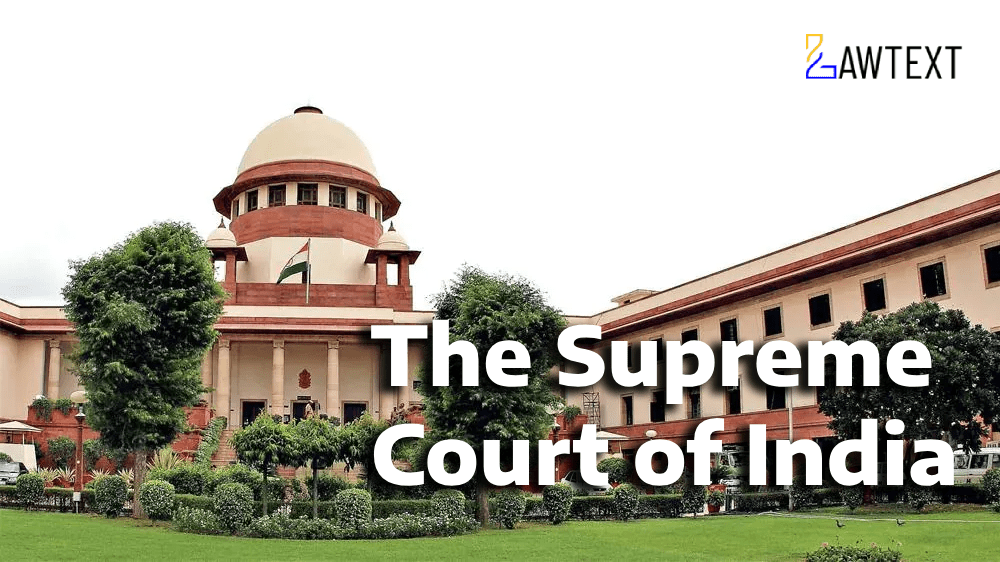
Case Note & Summary
The Supreme Court addressed a case involving a litigant's attempt to pollute the administration of justice through suppression of material facts. The background involved a pattern where litigants deceive courts by filing fabricated documents or concealing crucial information. The facts referenced multiple precedents where courts confronted similar misconduct, including a husband filing a fabricated document in matrimonial proceedings, applicants suppressing facts in writ petitions, and accused persons concealing charge framing in bail applications. The legal issue centered on whether litigants who suppress material facts are entitled to relief. The arguments implicitly contrasted the duty of truthfulness with the litigant's deceptive conduct. The court's analysis drew from several judgments, emphasizing that suppression of material facts constitutes fraud on the court, attracting the maxim 'suppressio veri, expression faisi' (suppression of truth is equivalent to expression of falsehood). It highlighted the decline in societal values post-Independence, leading to a new breed of litigants who disrespect truth. The court reasoned that such conduct interferes with justice administration, making litigants guilty of contempt and disentitling them to relief under the 'tainted hands' doctrine. It also underscored advocates' duty to verify facts diligently. The decision reinforced that litigants attempting to pollute the stream of justice are not entitled to any relief, interim or final, and may face contempt proceedings.
Headnote
A) Contempt of Court - Fraud on Court - Suppression of Material Facts - Contempt of Courts Act, 1971 - Litigant filed fabricated document to oppose transfer of matrimonial proceedings - Court held that suppression of material facts is equivalent to expression of falsehood and constitutes fraud on court, interfering with administration of justice - Held that such litigant is guilty of contempt and not entitled to any relief (Paras 2-3). B) Civil Procedure - Writ Jurisdiction - Clean Hands Doctrine - Constitution of India, Article 226 - Applicant who does not come with candid facts and clean breast cannot hold writ of court with soiled hands - Court has inherent power to discharge rule nisi and refuse to proceed on merits if material facts are suppressed or concealed - Held that such applicant requires to be dealt with for contempt of court for abusing process (Paras 4). C) Civil Procedure - Litigant Conduct - Tainted Hands Doctrine - Code of Civil Procedure, 1908 - New creed of litigants has no respect for truth and resorts to falsehood and unethical means - Court evolved rule that litigant who attempts to pollute stream of justice or touches pure fountain of justice with tainted hands is not entitled to any relief, interim or final - Held to meet challenge posed by such litigants (Paras 5-7). D) Criminal Procedure - Bail Application - Concealment of Facts - Code of Criminal Procedure, 1973 - Accused suppressed fact that charges had been framed when filing revision against cognizance order - Court applied maxim 'suppressio veri, expression faisi' (suppression of truth equivalent to expression of falsehood) - Held that order obtained by practicing fraud and suppressing material fact cannot stand (Paras 6). E) Professional Ethics - Advocate Duty - Verification of Facts - Advocates Act, 1961 - Advocates, particularly designated senior advocates, expected to assist court fairly and verify facts diligently from record using legal acumen - High standard of professionalism required - Held that duty to verify facts cannot be obliviated (Paras 8-9).
Issue of Consideration
Whether a litigant who suppresses material facts and attempts to deceive the court is entitled to any relief
Final Decision
Court dismissed the petition, holding that litigant who suppresses material facts is not entitled to any relief and may be guilty of contempt
Law Points
- Suppression of material facts constitutes fraud on court
- litigant with tainted hands not entitled to relief
- contempt of court for interfering with administration of justice
- duty of advocates to verify facts diligently





