
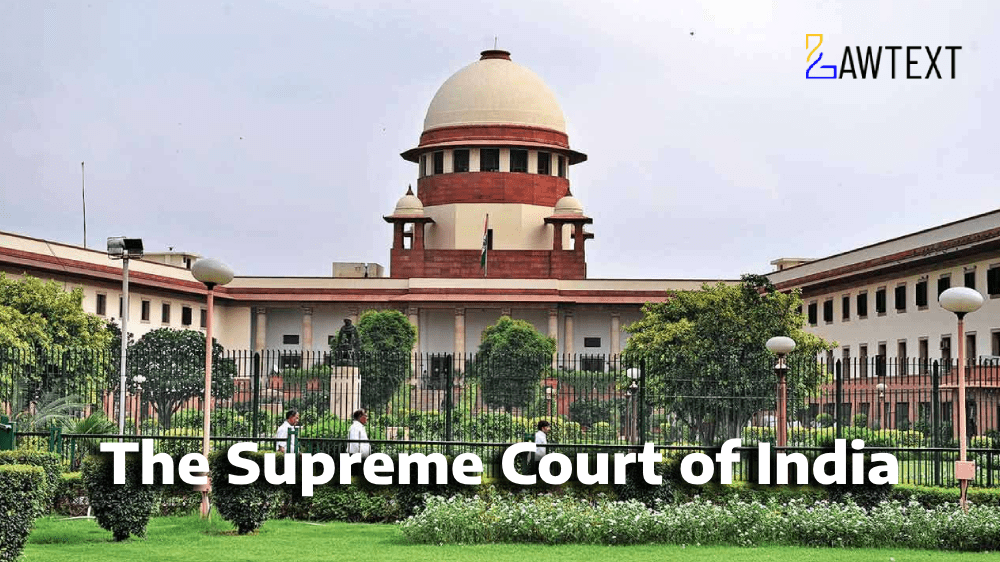
Case Note & Summary
The Supreme Court heard a criminal appeal by the State of Himachal Pradesh challenging the High Court's judgment that had acquitted the accused-respondent of offences under Section 307 of the Indian Penal Code and Section 27 of the Arms Act, 1959, while convicting him under Section 326 IPC with sentence of imprisonment already undergone. The accused, a constable posted as guard at Company Headquarters, had on Diwali day 2010 raised objections about food quality at the mess and subsequently fired his AK-47 rifle at colleagues, injuring Head Constable Sanjeet Kumar in both upper thighs with four grievous but non-life-threatening injuries. The trial court had convicted him under Section 307 IPC and Section 27 of Arms Act, sentencing him to seven years rigorous imprisonment, but the High Court acquitted him of these charges, holding that facts did not prove intention or knowledge to cause death required for Section 307. The State appealed, arguing the High Court erred in its interpretation. The Supreme Court analyzed whether the act constituted attempt to murder under Section 307 IPC, emphasizing that intention must be gathered from circumstances including nature of weapon, manner of use, severity of blow, and body part injured, not merely from injury being non-life-threatening. The court noted the accused, as a trained constable, fired indiscriminately with an AK-47 knowing bullets could cause death, establishing requisite intention. Referring to precedents including State of Madhya Pradesh vs. Saleem, the court held that Section 307 IPC does not require grievous or life-threatening hurt, only intention or knowledge to cause death. The Supreme Court found the High Court overlooked crucial aspects including the accused's training, weapon nature, and firing manner, and set aside the High Court's judgment, restoring the trial court's conviction under Section 307 IPC and Section 27 of Arms Act. However, considering the accused was in disciplined force, the incident occurred in 2010, and happened in rage with predetermined mind, the court reduced punishment from seven years rigorous imprisonment to term already undergone (about 1 year 5 months), allowing the appeal in part.
Headnote
A) Criminal Law - Attempt to Murder - Intention and Knowledge - Indian Penal Code, 1860, Section 307 - The court examined whether the accused's act of firing an AK-47 rifle at colleagues constituted attempt to murder under Section 307 IPC - Held that intention to cause death must be gathered from circumstances including nature of weapon, manner of use, and severity of blow, not merely from injury being non-life-threatening - The accused, a trained constable, fired indiscriminately knowing bullets could cause death, establishing requisite intention (Paras 5, 10-13). B) Criminal Law - Arms Offences - Unauthorized Use - Arms Act, 1959, Section 27 - The court considered whether the accused's use of service weapon for unauthorized firing attracted Section 27 - Held that firing AK-47 rifle at colleagues without authorization constituted offence under Section 27, restoring trial court's conviction that High Court had erroneously set aside (Paras 2-4, 14). C) Criminal Procedure - Appellate Review - Error Correction - Code of Criminal Procedure, 1973 - The Supreme Court reviewed High Court's acquittal under Section 307 IPC - Held that High Court erred by overlooking crucial aspects including accused's training, weapon nature, and firing manner when determining intention - Supreme Court set aside High Court judgment and restored trial court's conviction (Paras 14-15). D) Criminal Law - Sentencing - Reduction Considerations - Indian Penal Code, 1860, Section 307 - The court considered appropriate punishment after restoring conviction under Section 307 - Held that while no minimum sentence prescribed, considering accused was in disciplined force, incident occurred in 2010, and happened in rage with predetermined mind, punishment reduced from 7 years rigorous imprisonment to term already undergone (about 1 year 5 months) (Para 15).
Issue of Consideration
Whether the High Court erred in acquitting the accused of offence under Section 307 IPC and Section 27 of Arms Act, 1959, and convicting him under Section 326 IPC instead
Final Decision
Supreme Court allowed appeal in part, set aside High Court's judgment and orders dated 14.07.2014 and 28.07.2014, restored trial court's judgment and order dated 20.03.2013 convicting accused under Section 307 IPC and Section 27 of Arms Act, but reduced punishment from seven years rigorous imprisonment to term already undergone (about 1 year 5 months)
Law Points
- Intention or knowledge to cause death is essential for Section 307 IPC
- nature of weapon and manner of use determine intention
- grievous hurt not required for Section 307
- court must consider circumstances beyond injury severity






