
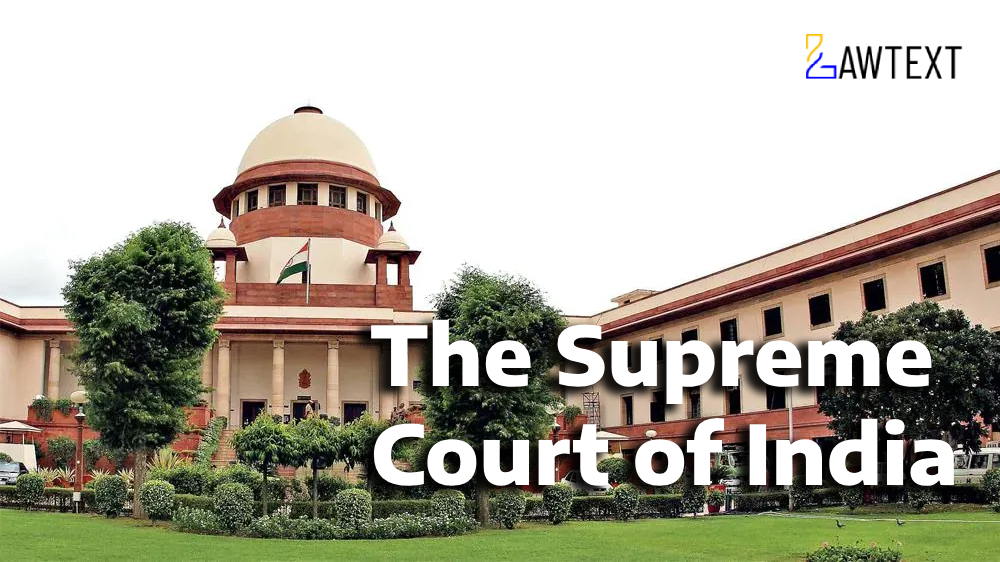
Supreme Court Remands Resolution Professional's Fee Dispute to NCLT for Reasoned Determination Under Insolvency and Bankruptcy Code, 2016. The Court held that the adjudicating authority has jurisdiction under Section 60(5)(c) to determine insolvency resolution process costs, but both NCLT and NCLAT failed to exercise it properly by not considering the claim's basis or reasonableness, leading to an order of remand.

  • 6
Judgement Image
Font size:
Print

Case Note & Summary

The appeal arose from a judgment of the National Company Law Appellate Tribunal dated 30 July 2020, concerning the payment of costs and expenses incurred by the Resolution Professional in the Corporate Insolvency Resolution Process of Poonam Drums and Containers Private Limited. The appellant, appointed as Interim Resolution Professional, claimed fees and costs quantified at Rs 14,75,660, of which Rs 5,66,667 was reimbursed, leaving a balance of Rs 9,08,993. The NCLT, in its order dated 7 February 2020, directed the respondent financial creditor to pay all expenses and Rs 5,00,000 plus GST as fee, which was upheld by the NCLAT. The core legal issues involved the jurisdiction of the adjudicating authority under Section 60(5)(c) of the Insolvency and Bankruptcy Code, 2016 to determine insolvency resolution process costs, and whether the orders were reasoned and based on proper consideration of the facts. The appellant argued that the fee claim was in accordance with the technical and financial bid, ratified by the Committee of Creditors, and verified by the respondent, but the NCLT and NCLAT failed to consider these submissions and awarded an ad hoc amount without reasons. The respondent contended that the fee was commensurate with the work done over three months. The Supreme Court, referencing Alok Kaushik v Bhuvaneshwari Ramanathan, affirmed that the adjudicating authority has jurisdiction under Section 60(5)(c) to determine such costs. It found that both lower authorities abdicated their jurisdiction by not analyzing the claim's basis or reasonableness, and their orders lacked reasoning. Consequently, the Court remanded the matter to the NCLT for a fresh determination with proper consideration of the appellant's submissions and the applicable regulations, including Regulation 34 of the Insolvency and Bankruptcy Board of India (Insolvency Resolution Process for Corporate Persons) Regulations, 2016.

Headnote

A) Insolvency Law - Resolution Professional Fees - Jurisdiction of Adjudicating Authority - Insolvency and Bankruptcy Code, 2016, Section 60(5)(c) - The Supreme Court held that the adjudicating authority (NCLT) has jurisdiction under Section 60(5)(c) of the IBC to determine the amount payable to a resolution professional as part of insolvency resolution process costs, even after the CIRP is set aside, as established in Alok Kaushik v Bhuvaneshwari Ramanathan. The Court found that both NCLT and NCLAT failed to properly exercise this jurisdiction by not considering the basis of the claim or its reasonableness, leading to an order of remand for fresh determination. (Paras 13-16)

B) Insolvency Law - Resolution Professional Fees - Reasonableness and Determination - Insolvency and Bankruptcy Code, 2016, and Insolvency and Bankruptcy Board of India (Insolvency Resolution Process for Corporate Persons) Regulations, 2016, Regulation 34 - The Court emphasized that fixation of fees is not merely a business decision of the Committee of Creditors but requires judicial scrutiny. It noted that the NCLT's order directing payment of Rs 5,00,000 plus GST as fee, without considering the appellant's submissions or the agreement with the financial creditor, and the NCLAT's affirmation on ad hoc grounds, constituted an abdication of jurisdiction. The Court remanded the matter for a reasoned determination based on the claim's basis and reasonableness. (Paras 8-16)

Subscribe to unlock Headnote Subscribe Now

Issue of Consideration

Whether the NCLT and NCLAT properly exercised jurisdiction in determining the fees and costs payable to the Resolution Professional under the Insolvency and Bankruptcy Code, 2016, and whether their orders were reasoned and based on proper consideration of the facts and agreements.

Subscribe to unlock Issue of Consideration Subscribe Now

Final Decision

Supreme Court set aside the orders of NCLT and NCLAT and remanded the matter to NCLT for fresh determination of the fees and costs payable to the appellant, with directions to consider the basis of the claim and its reasonableness.

Law Points

  • Jurisdiction of adjudicating authority under Section 60(5)(c) of Insolvency and Bankruptcy Code
  • 2016 to determine insolvency resolution process costs
  • Reasonableness of fees and expenses of resolution professional
  • Requirement of reasoned orders in judicial proceedings
  • Application of Insolvency and Bankruptcy Board of India (Insolvency Resolution Process for Corporate Persons) Regulations
  • 2016
Subscribe to unlock Law Points Subscribe Now

Case Details

2022 Lawtext (SC) (1) 22

Civil Appeal No 3160 of 2020

2022-01-05

Dr Dhananjaya Y Chandrachud

Ms Anjali Sharma, Mr Vadlamani Seshagiri

Mr Devarajan Raman, Resolution Professional Poonam Drums & Containers Pvt Ltd

Bank of India Ltd

Subscribe to unlock Case Details (Citation, Judge, Date & more) Subscribe Now

Nature of Litigation

Appeal against NCLAT judgment regarding payment of costs and expenses incurred by Resolution Professional in Corporate Insolvency Resolution Process

Remedy Sought

Appellant sought payment of remaining fee and costs from respondent financial creditor

Filing Reason

Dispute over quantification and payment of fees and expenses of Resolution Professional after CIRP was set aside

Previous Decisions

NCLT admitted Corporate Debtor to CIRP on 20 September 2019, appointed appellant as IRP; NCLAT set aside NCLT order on 19 December 2019 and remitted proceedings to NCLT for fee determination; NCLT directed payment of expenses and Rs 5,00,000 plus GST as fee on 7 February 2020; NCLAT dismissed appeal on 30 July 2020

Issues

Whether the NCLT and NCLAT properly exercised jurisdiction in determining the fees and costs payable to the Resolution Professional under the Insolvency and Bankruptcy Code, 2016 Whether the orders of NCLT and NCLAT were reasoned and based on proper consideration of the facts and agreements

Submissions/Arguments

Appellant argued fee claim was in accordance with technical and financial bid, ratified by CoC, and verified by respondent, but lower authorities failed to consider submissions and awarded ad hoc amount without reasons Respondent argued fee was commensurate with work done over three months and appellant accepted NCLAT order remitting proceedings for fee determination

Ratio Decidendi

The adjudicating authority has jurisdiction under Section 60(5)(c) of the Insolvency and Bankruptcy Code, 2016 to determine insolvency resolution process costs, including fees of resolution professionals, even after the CIRP is set aside. Judicial authorities must provide reasoned orders based on proper consideration of facts and agreements, and failure to do so constitutes an abdication of jurisdiction.

Judgment Excerpts

"VI. That this Bench at this moment appoints Mr Devarajan Raman, a registered Insolvency Resolution Professional having Registration Number [IBBI/IPA-002/IP- N00323/2017-Number 18/10928] as Interim Resolution Professional to carry out the functions as mentioned under I&B Code." "MA 223/2020 is filed by the Resolution Professional for his fees. On hearing both sides, the Respondent Bank is directed to pay all the expenses incurred by RP and Rs.5,00,000 /- plus GST towards the fee of the RP. Accordingly, MA 223/2020 is allowed and disposed of." "19. Though the CIRP was set aside later, the claim of the appellant as registered valuer related to the period when he was discharging his functions as a registered valuer appointed as an incident of the CIRP. NCLT would have been justified in exercising its jurisdiction under Section 60(5)(c) of the IBC..."

Procedural History

Appellant submitted bid for IRP appointment on 5 February 2019; respondent filed Section 7 petition on 8 March 2019; NCLT admitted Corporate Debtor to CIRP and appointed appellant as IRP on 20 September 2019; NCLAT set aside NCLT order on 19 December 2019 and remitted proceedings for fee determination; appellant claimed fees and costs on 30 December 2019; appellant filed application before NCLT on 17 January 2020; NCLT directed payment on 7 February 2020; NCLAT dismissed appeal on 30 July 2020; Supreme Court heard appeal and remanded matter to NCLT.

Acts & Sections

  • Insolvency and Bankruptcy Code, 2016: Section 60(5)(c)
  • Insolvency and Bankruptcy Board of India (Insolvency Resolution Process for Corporate Persons) Regulations, 2016: Regulation 34
Subscribe to unlock full Legal Analysis Subscribe Now
Related Judgement
Supreme Court Supreme Court Remands Resolution Professional's Fee Dispute to NCLT for Reasoned Determination Under Insolvency and Bankruptcy Code, 2016. The Court held that the adjudicating authority has jurisdiction under Section 60(5)(c) to determine insolvency ...
Related Judgement
Supreme Court Supreme Court Sets Aside Conviction Under Section 302 IPC





