
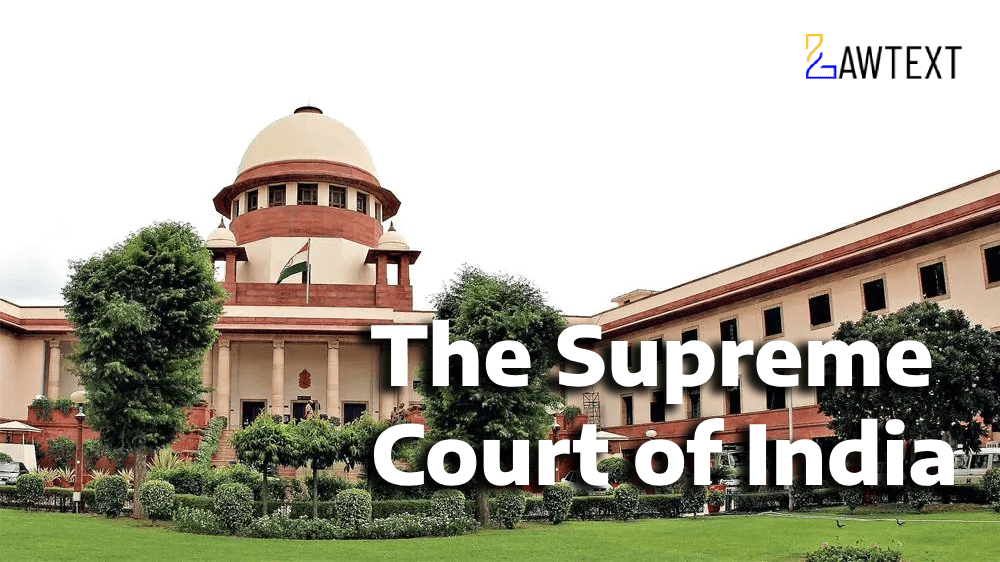
Case Note & Summary
The judgment arose from a criminal appeal concerning a road rage incident that resulted in a fatal injury. The appellant was convicted under Section 302 of the Indian Penal Code, 1860 for murder and sentenced to life imprisonment, while two other accused were acquitted. The Supreme Court granted leave and limited its adjudication to determining whether the offence fell under Section 302 or Section 304 of the IPC, and to sentencing if a lesser offence was made out. The facts involved a hit-and-run accident where a scooterist was knocked down by a three-wheeler. The scooterist, along with the deceased, his father, and brother, chased the offending vehicle, confronted its occupants, and an altercation ensued. During this, the appellant picked up an iron rod and struck the deceased on the head, causing an injury that led to death five days later. A DDR was registered immediately, but the FIR was filed only after the victim succumbed. The post-mortem confirmed homicidal death from a single head injury, and the iron rod was recovered based on the appellant's confessional statement under Section 27 of the Indian Evidence Act, 1872. The core legal issue was whether the act constituted murder or culpable homicide not amounting to murder. The prosecution's case relied on the altercation and the fatal blow, while the defense likely emphasized the lack of premeditation and the aggressive role of the deceased's group. The court analyzed that there was no motive or premeditation, and the deceased's group were the aggressors who chased and confronted the accused, taking law into their own hands instead of approaching the police. The altercation involved heated arguments, and the appellant acted under sudden provocation, losing self-control, which brought the case under Exception 1 to Section 300 IPC. The court held that the offence was culpable homicide not amounting to murder under Section 304 Part I, as the bodily injury was deliberately inflicted and likely to cause death. Consequently, the conviction was modified from Section 302 to Section 304 Part I, and the sentence was reduced to 7 years rigorous imprisonment, with the fine and default sentence remaining unchanged. The appellant was directed to surrender within two months if on bail and not already served seven years.
Headnote
A) Criminal Law - Murder vs. Culpable Homicide - Exception 1 to Section 300 IPC - Indian Penal Code, 1860, Sections 299, 300, 304 - The court examined whether a single blow inflicted during an altercation constituted murder or culpable homicide not amounting to murder. It found no premeditation or motive, and the deceased's group were aggressors who chased and confronted the accused. The accused acted under sudden provocation, losing self-control, thus falling under Exception 1 to Section 300. Held that the offence is culpable homicide not amounting to murder under Section 304 Part I, as the bodily injury was deliberately inflicted and likely to cause death (Paras 6-7). B) Criminal Law - Sentencing - Section 304 Part I IPC - Indian Penal Code, 1860, Section 304 - After modifying the conviction from Section 302 to Section 304 Part I, the court considered sentencing. Based on the totality of circumstances and evidence, it imposed a sentence of 7 years rigorous imprisonment, while maintaining the fine and default sentence. The appellant was directed to surrender within two months if on bail and not already served seven years (Para 7).
Issue of Consideration
Whether the offence falls under Section 302 (murder) or Section 304 (culpable homicide not amounting to murder) of the Indian Penal Code, 1860
Final Decision
The Criminal Appeal is allowed. The conviction is modified from Section 302 to Section 304 Part I of the Indian Penal Code, 1860. The sentence is reduced to 7 years rigorous imprisonment, with fine of ₹2000 and default sentence of rigorous imprisonment for two months remaining unchanged. The appellant, if on bail, shall surrender within two months before the jurisdictional Court if not already completed seven years in jail.
Law Points
- Distinction between murder and culpable homicide not amounting to murder
- application of Exception 1 to Section 300 IPC
- sudden provocation and loss of self-control
- intention to cause bodily injury likely to cause death
- sentencing under Section 304 Part I IPC





