
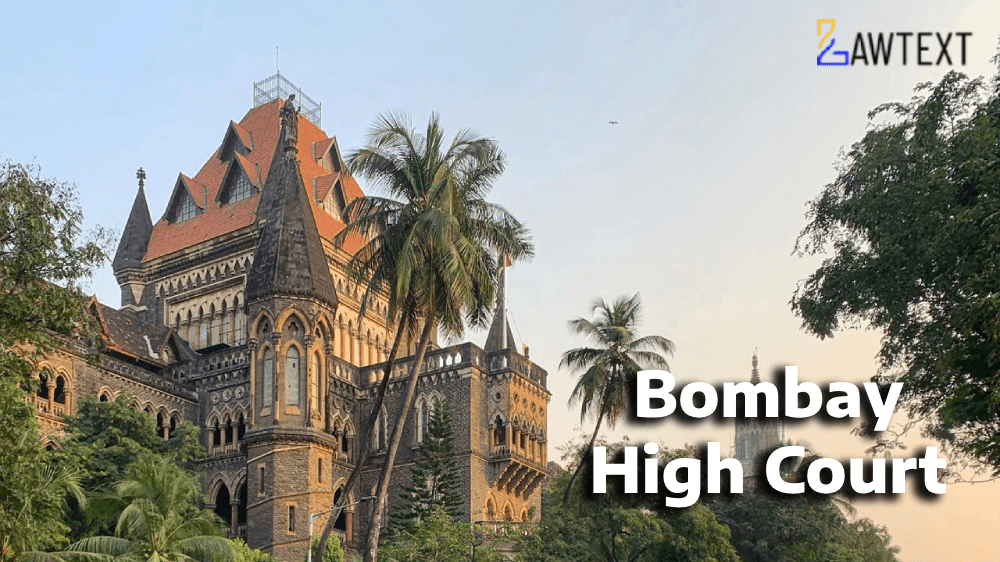
Bombay High Court Dismisses Petitioner's Writ Petitions Challenging Section 153C Notices in Accommodation Entry Case — Limitation and Satisfaction Note Issues Require Factual Investigation. The court held that disputed questions of fact regarding the date of receipt of books and incriminating material cannot be adjudicated in writ jurisdiction under Article 226 of the Constitution of India.

High Court: Bombay High Court
  • 437
Judgement Image
Font size:
Print

Case Note & Summary

The petitioner, DNH Spinners Private Limited, filed a group of 11 writ petitions challenging notices issued under Section 153C of the Income-tax Act, 1961, dated 28 February 2024, and the order rejecting objections dated 28 December 2024, for various assessment years from 2010-11 to 2020-21. The background of the case involves a search action under Section 132 of the Act conducted on 19 October 2019 against Alok Kumar Agarwal, Ankit Agarwal, M/s. Alankit Limited, and M/s. Alankit Assignments Limited (the Alankit Group). During the search, documents and books of accounts were seized. Subsequently, on 31 May 2022, the Deputy Commissioner of Income Tax (DCIT), Delhi forwarded a satisfaction note to the DCIT, Mumbai, indicating that materials found during the search had a bearing on the petitioner's total income, as the Alankit Group was engaged in providing accommodation entries to various parties, including the petitioner. On 28 February 2024, the DCIT, Mumbai recorded a satisfaction note and issued notices under Section 153C for assessment years 2010-11 to 2020-21. The petitioner filed objections on 6 April 2024 and 7 December 2024, primarily contending that the notices were time-barred, that no incriminating material existed, that the satisfaction note was not provided, and that the limitation period should be computed from the date of receipt of books by the jurisdictional officer. The respondents rejected the objections on 28 December 2024, holding that the incriminating material indicated accommodation entries likely exceeding Rs. 50 lakh, and that the limitation was correctly computed. The petitioner then approached the High Court under Article 226. The court, after hearing both sides, held that the issues raised, particularly regarding limitation and the existence of incriminating material, involve disputed questions of fact that require investigation during assessment proceedings. The court noted that the petitioner has an alternative remedy of raising these objections before the Assessing Officer and in appeal. Consequently, the court dismissed all writ petitions, declining to exercise its discretionary writ jurisdiction.

Headnote

A) Income Tax - Section 153C Notice - Limitation Period - Computation of 'relevant assessment year' - The court held that the determination of limitation under Section 153B(1) read with Section 153C requires factual findings regarding the date of receipt of books of accounts by the Assessing Officer of the non-search person, which is a mixed question of fact and law not suitable for summary adjudication in writ jurisdiction (Paras 31-39).

B) Income Tax - Section 153C Notice - Satisfaction Note - Validity - The court held that the challenge to the satisfaction note on grounds of delay and lack of incriminating material involves disputed questions of fact that cannot be resolved in writ proceedings under Article 226 of the Constitution of India (Paras 41-42).

C) Income Tax - Section 153C Notice - Writ Jurisdiction - Alternative Remedy - The court held that the petitioner has an alternative remedy of raising all objections in the assessment proceedings and thereafter in appeal, and therefore, the writ petitions are not maintainable (Paras 31-39).

Subscribe to unlock Headnote Subscribe Now

Issue of Consideration

Whether the notices under Section 153C of the Income-tax Act, 1961 and the rejection of objections are liable to be quashed on grounds of limitation, lack of incriminating material, and procedural irregularities.

Subscribe to unlock Issue of Consideration Subscribe Now

Final Decision

All writ petitions are dismissed. The court declined to exercise its discretionary writ jurisdiction, holding that the issues raised involve disputed questions of fact which require investigation during assessment proceedings, and the petitioner has an alternative remedy.

Law Points

  • Section 153C notice
  • limitation period
  • satisfaction note
  • incriminating material
  • accommodation entries
  • writ jurisdiction
  • disputed questions of fact
Subscribe to unlock Law Points Subscribe Now

Case Details

2025 LawText (BOM) (3) 172

Writ Petition (L) No.4894 of 2025 with connected petitions

2025-03-17

M.S. Sonak, Jitendra Jain

Mr. Dharan Gandhi for the Petitioner, Mr. Akhileshwar Sharma a/w Ms Shraddha Worlikar for the respondents

DNH Spinners Private Limited

Deputy Commissioner of Income-tax, Central Circle -1(2), Mumbai; Principal Commissioner of Income-tax Central -1 Mumbai; Union of India

Subscribe to unlock Case Details (Citation, Judge, Date & more) Subscribe Now

Nature of Litigation

Writ petitions challenging notices under Section 153C of the Income-tax Act, 1961 and order rejecting objections.

Remedy Sought

Quashing of notices dated 28 February 2024 and order dated 28 December 2024 rejecting objections.

Filing Reason

Petitioner contended that the notices were time-barred, lacked incriminating material, and satisfaction note was not provided.

Previous Decisions

Objections to the notices were rejected by the respondents on 28 December 2024.

Issues

Whether the notices under Section 153C are time-barred under clause (ii) to the third proviso to Section 153B(1) of the Act. Whether the satisfaction note was validly recorded and whether there was incriminating material to invoke Section 153C. Whether the writ court should entertain the petitions given disputed questions of fact and alternative remedy.

Submissions/Arguments

Petitioner argued that proceedings are time-barred, satisfaction note was delayed, no incriminating material exists, and no opportunity was given to challenge the satisfaction note. Respondents argued that the issues involve disputed questions of fact, petitioner has alternative remedy, and the court should not interfere under Article 226.

Ratio Decidendi

The court held that the determination of limitation under Section 153C read with Section 153B(1) and the existence of incriminating material are mixed questions of fact and law that cannot be adjudicated in writ proceedings under Article 226 of the Constitution of India, especially when an alternative remedy is available.

Judgment Excerpts

The issue involved in these petitions requires investigation of facts as to whether there is any incriminating material for invoking the provisions of Section 153C of the Act for various assessment years. The limitation issue is a mixed question of fact and law; therefore, under Article 226 of the Constitution of India, this Court should not entertain the petition involving the disputed question of fact.

Procedural History

Search action under Section 132 on 19 October 2019 against Alankit Group. On 31 May 2022, DCIT Delhi forwarded satisfaction note to DCIT Mumbai. On 28 February 2024, DCIT Mumbai recorded satisfaction and issued Section 153C notices. Petitioner filed objections on 6 April 2024 and 7 December 2024. On 28 December 2024, objections were rejected. Petitioner filed writ petitions on various dates in 2025.

Acts & Sections

  • Income-tax Act, 1961: Section 153C, Section 153B, Section 132, Section 143(2)
  • Constitution of India: Article 226
Subscribe to unlock full Legal Analysis Subscribe Now
Related Judgement
High Court Bombay High Court Allows Petitioners in Arbitration Petition Seeking Interim Relief for Dissolution of Partnership Firm. Section 9 Petition Seeks Dissolution of Partnership at Will and Ancillary Reliefs After Prior Arbitral Award Upholding Partners' ...
Related Judgement
High Court Bombay High Court Dismisses Petition Challenging Municipal Tax on Mobile Towers Following Supreme Court Precedent. Mobile Towers Held Taxable as 'Land' Under Municipal Corporation Acts Despite Absence of Specific Definition.





