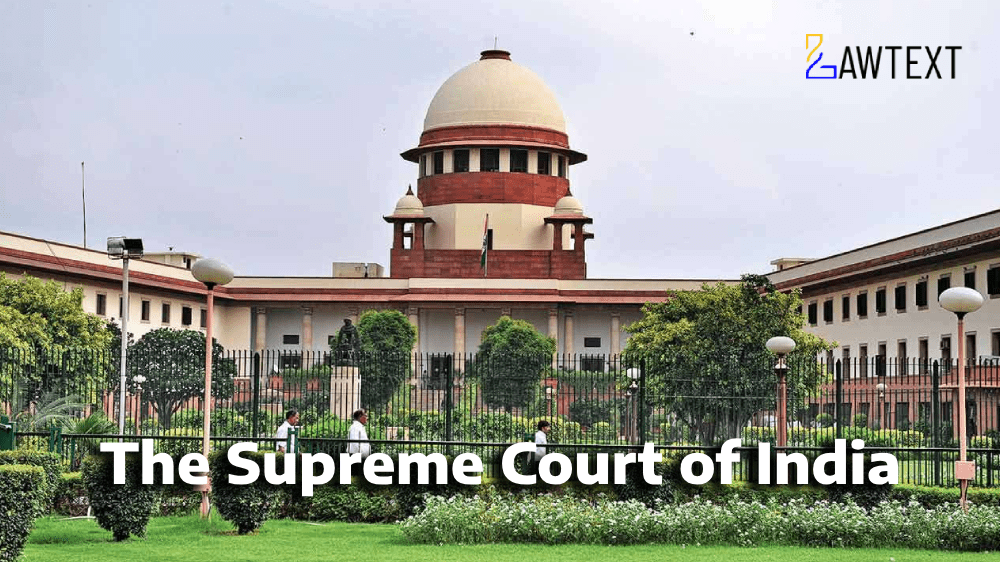
Case Note & Summary
The case involved two petitions challenging the constitutional validity of the Punjab Special Powers (Press) Act, 1956, enacted in response to communal tensions in Punjab. The petitioners, editors and publishers of the newspapers Pratap and Vir Arjun, argued that notifications issued under Sections 2 and 3 of the Act imposed total prohibitions on their rights to freedom of speech and expression, violating Articles 19(1)(a) and 19(1)(g) of the Constitution. The notifications prohibited the publication of any matter related to the 'Save Hindi agitation' and restricted the entry of their newspapers into Punjab. The court analyzed whether these restrictions were reasonable and necessary for maintaining public order. It concluded that while the restrictions under Section 2(1)(a) were reasonable, those under Section 3 were not due to the absence of a time limit and representation rights. The court recognized the need for legislative measures to maintain communal harmony and public order, affirming that the State Government was best positioned to assess the necessity of such restrictions. Ultimately, the court upheld the validity of Section 2(1)(a) while striking down Section 3 for its unreasonable provisions.
Headnote
A) Constitutional Law - Freedom of Speech - Reasonable Restrictions - Punjab Special Powers (Press) Act, 1956, Sections 2, 3 - The court held that the restrictions imposed by Section 2(1)(a) were reasonable under Article 19(2) while those under Section 3 were not, as they lacked a time limit and representation provisions. The court emphasized that the right to freedom of speech includes the right to propagate views, but restrictions must be reasonable and necessary for public order (Paras 1-10).
Issue of Consideration
Whether the restrictions imposed by the Punjab Special Powers (Press) Act, 1956, infringe the fundamental rights guaranteed under Articles 19(1)(a) and 19(1)(g) of the Constitution.
Final Decision
The Supreme Court upheld the validity of Section 2(1)(a) of the Punjab Special Powers (Press) Act, 1956, as reasonable but struck down Section 3 for lacking necessary provisions for time limits and representation.
Law Points
- freedom of speech
- reasonable restrictions
- legislative powers
- public order
- press control