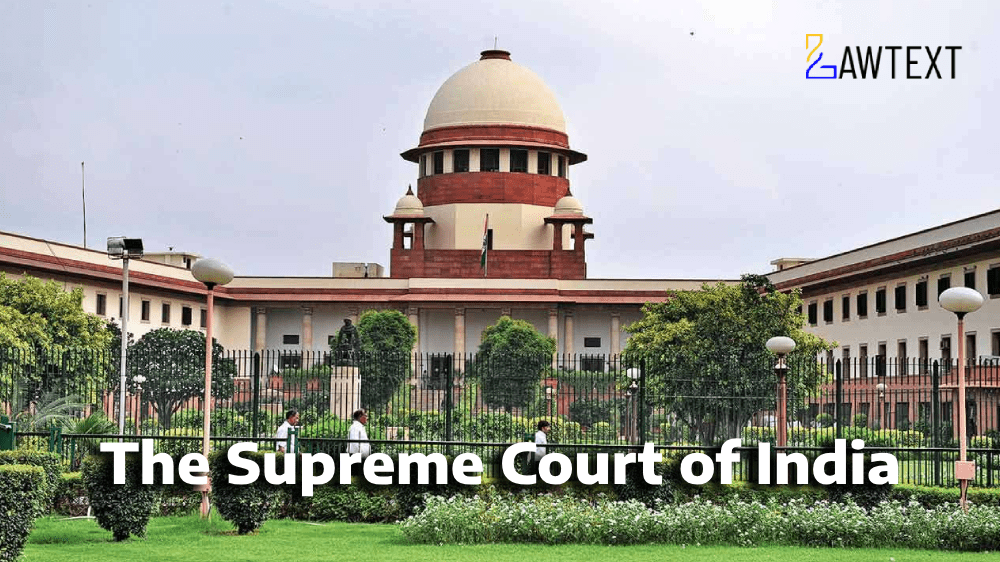
Supreme Court Issues Directions for Timely Appointment of High Court Judges — Emphasizing the Need for Timely Recommendations and Processing of Appointments.

  • 0
Judgement Image
Font size:
Print

Case Note & Summary

The Supreme Court addressed the critical issue of vacancies in the High Courts, noting that approximately 40% of positions were unfilled, with many High Courts operating below 50% of their sanctioned strength. The court highlighted the importance of timely recommendations from Chief Justices of High Courts, as there were significant delays in filling existing vacancies. The Attorney General presented data indicating that out of 1080 sanctioned judges, only 664 were appointed, leaving 416 vacancies, with 196 recommendations pending. The court reiterated the need for Chief Justices to make recommendations promptly, even if not all at once, to avoid further delays. The court reviewed the Memorandum of Procedure (MoP) established by the Supreme Court Collegium, which outlines timelines for various stages of the appointment process. It proposed additional timelines for the Intelligence Bureau to submit reports and for the Central Government to process recommendations, emphasizing that the collaborative nature of this process requires promptness to ensure timely justice. The court concluded by issuing directions to facilitate the appointment process and closed the proceedings.

Headnote

A) Constitutional Law - Judicial Appointments - Timeliness in Filling Vacancies - Constitution of India, 1950, Articles 217, 224, 224A - The court emphasized the need for timely recommendations by Chief Justices of High Courts to fill existing vacancies and proposed specific timelines for various stages of the appointment process to ensure prompt judicial appointments. Held that adherence to these timelines is essential for the effective functioning of the judiciary (Paras 1-13).

Subscribe to unlock Headnote Subscribe Now

Issue of Consideration

Whether to establish timelines for the appointment of judges to the High Courts and the process involved.

Subscribe to unlock Issue of Consideration Subscribe Now

Final Decision

The Supreme Court issued directions for establishing timelines for the appointment of judges to the High Courts, emphasizing the need for prompt recommendations and processing to ensure timely justice.

Law Points

  • Judicial appointments
  • High Court vacancies
  • Chief Justices recommendations
  • Memorandum of Procedure timelines

Subscribe to unlock Law Points Subscribe Now

Case Details

2021 LawText (SC) (04) 72

Transfer Petition (Civil) No. 2419 of 2019

2021-04-20

S.A. Bobde, Sanjay Kishan Kaul, Surya Kant

M/s. PLR Projects Pvt. Ltd.

Mahanadi Coalfields Ltd. & Ors.

Subscribe to unlock Case Details (Citation, Judge, Date & more) Subscribe Now

Nature of Litigation

Transfer petition concerning judicial appointments.

Issues

Establishment of timelines for judicial appointments Process of recommendations by Chief Justices

Submissions/Arguments

The Attorney General emphasized the need for timely recommendations from Chief Justices. Concerns were raised about the delay in the appointment process.

Ratio Decidendi

The court established that timely recommendations and adherence to a structured appointment process are essential for the effective functioning of the judiciary.

Judgment Excerpts

The High Courts are in a crisis situation. We cannot but note the importance of the Chief Justices of the High Courts making recommendations in time. We are of the view that it would be advisable to follow the following timelines.

Procedural History

The court discussed the appointment of judges and the existing vacancies in High Courts, leading to the issuance of directions for timely appointments.

Acts & Sections

  • Constitution of India: Articles 217, 224, 224A
Subscribe to unlock full Legal Analysis Subscribe Now
Related Judgement
Supreme Court Supreme Court Sets Aside High Court Interim Status Quo Order in Second Appeal for Non-Compliance with Section 100 CPC. High Court Cannot Grant Interim Relief Without First Formulating Substantial Question of Law.
Related Judgement
High Court Bombay High Court Dismisses State's Petition, Upholds Medical Reimbursement for District Consumer Forum President. Member of District Consumer Forum is a government servant entitled to medical reimbursement under the Consumer Protection Act, 1986.