
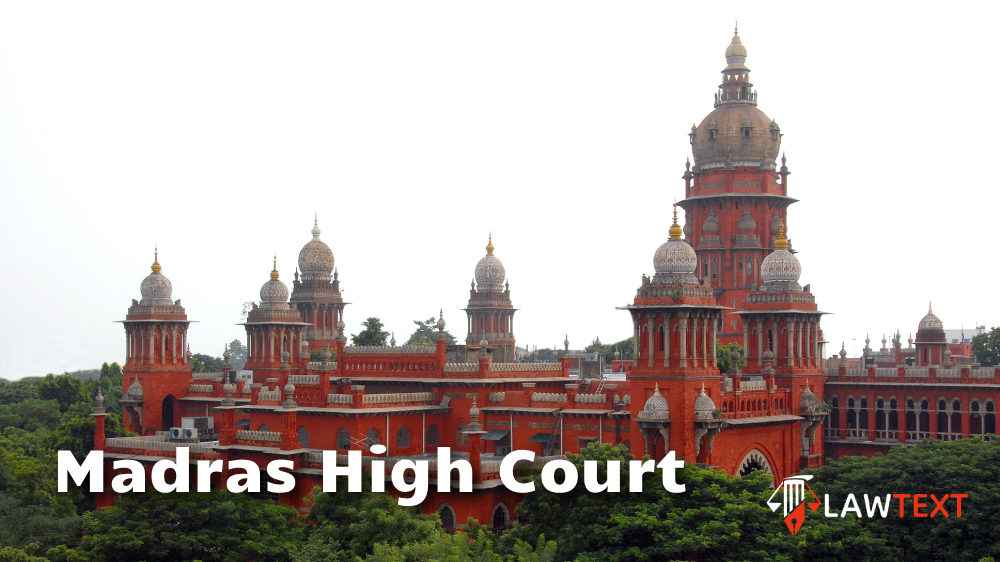
Case Note & Summary
Background: The case involved a Habeas Corpus petition filed under Article 226 of the Constitution of India by Subramani, the father, seeking production of his missing daughter Sri Kaviya, aged 24, and her release from alleged illegal detention. Facts: The daughter went missing on the night of 21.01.2025 after taking dinner. The father lodged a complaint at Ambathuri Police Station the next day, and a case was registered under Crime No.18 of 2025 as 'girl missing'. Subsequently, the father received a photograph showing an individual named Karthick tying a thali around his daughter's neck. The father complained of police lethargy in tracing her and approached the High Court fearing for his daughter's life. During the proceedings, the police found that the daughter had married Karthick and was residing in Ernakulam; their marriage was registered before the Registrar of Marriages, Guruvayoor Municipality. The detenu also filed a criminal miscellaneous petition seeking to implead herself, stating that she fell in love with Karthick and due to caste difference, her parents were not agreeable, so she left home and married him. Legal Issues: The core question was whether the Habeas Corpus petition was maintainable given that the detenu was a major, married, and voluntarily living with her husband, and she was alive and visible to the court. Arguments: The petitioner-father contended that his daughter went missing, the police failed to act, and he feared for her life, invoking the writ of habeas corpus to produce her. The respondents, after notice, contended that the daughter was traced, she is a major, married of her own free will, and living with her husband; thus, there was no illegal detention. The detenu herself supported this by stating she left willingly due to parental opposition to her inter-caste marriage. Court's Analysis: The court observed that the daughter of the petitioner is a major, has married Karthick, their marriage is duly registered, and she is very much alive. She appeared before the court through video conferencing, and her parents saw her alive and were satisfied that she left the parental home on her own volition. The court noted that in such circumstances, there was no illegal detention, and a writ of habeas corpus, which is a remedy to secure the release of a person unlawfully detained, is not the appropriate remedy. The court therefore held the petition was not maintainable. Decision: The Habeas Corpus Petition was dismissed. The Criminal Miscellaneous Petition filed by the detenu to implead herself was closed.
Headnote
A) Habeas Corpus - Maintainability - Major Daughter - Constitution of India, Article 226 - Father filed habeas corpus petition alleging daughter missing and police inaction; investigation revealed daughter, aged 24, left home voluntarily, married Karthick, marriage registered, and living in Ernakulam - Daughter appeared via video conferencing, parents saw her alive and satisfied she left on her own volition - Held, habeas corpus petition not maintainable when detenu is major, married, and not in illegal detention; petition dismissed (Paras 3-7)
Issue of Consideration
Whether the Habeas Corpus petition is maintainable when the detenu is a major, married, and voluntarily left parental home, and is alive
Final Decision
Habeas Corpus Petition dismissed; Criminal Miscellaneous Petition filed by detenu to implead herself stands closed. Court held that detenu is major, married of her own volition, marriage registered, and she is alive and appeared through video conferencing, thus no illegal detention and petition not maintainable.
Law Points
- A writ of habeas corpus is not maintainable when the detenu is a major
- married
- and voluntarily living with spouse
- the court must be satisfied that the detenu is alive and not under illegal detention






