
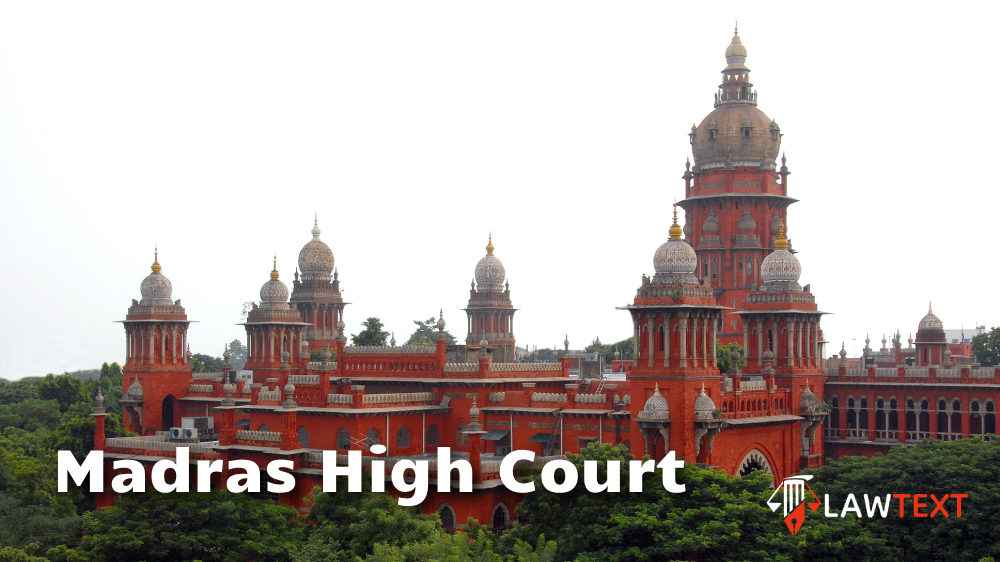
Madras High Court Quashes Armed Forces Tribunal Order Granting Disability Pension to Ex-Serviceman for Primary Hypertension. Disability Not Attributable to Military Service as Onset Occurred in Peace Station, Contrary to Para 179 of Pension Regulations for the Army, 1961.

High Court: Madras High Court Bench: Principal In Favour of Prosecution
  • 3
Judgement Image
Font size:
Print

Case Note & Summary

This writ petition under Article 226 of the Constitution challenged the Armed Forces Tribunal's order granting disability pension to a discharged Havildar. The dispute centered on whether his primary hypertension was attributable to or aggravated by military service, a precondition under Para 179 of the Pension Regulations for the Army, 1961 (Part 1). The respondent was enrolled in the Indian Army on 02.09.1995 and discharged on 30.09.2019 after 24 years of service, receiving service pension. During service, he developed primary hypertension and was placed in low medical category P2(P). The Release Medical Board found that primary hypertension is a lifestyle disorder; aggravation is conceded only if onset occurs in field/operational areas, but here the onset was in a peace station and he continued to serve in a peace station till retirement, thus the disability was neither attributable to nor aggravated by military service. Consequently, his claim for disability pension was rejected, and his first and second appeals were also rejected. The Armed Forces Tribunal, however, allowed his original application (O.A.No.119 of 2021) on 02.02.2023, relying on Dharamvir Singh v. Union of India. Aggrieved, the Union of India and military authorities filed the present writ petition, seeking certiorari to quash the Tribunal’s order. The primary legal issue was whether the respondent was eligible for disability pension under Para 179. The petitioners argued that the Tribunal ignored the specific medical findings and the clear requirements of Para 179. The respondent, through his counsel, supported the Tribunal’s reliance on Dharamvir Singh. The High Court examined Para 179, which demands that the disability be attributable to or aggravated by military service and recorded by medical authorities. The Court distinguished Dharamvir Singh, noting that in that case the medical board had failed to give reasons, whereas here the Release Medical Board had detailed its reasons: primary hypertension was a lifestyle disorder, onset in a peace station, and no evidence of service-related stress. The Court held that when the medical assessment itself shows ineligibility, the Dharamvir Singh precedent does not automatically confer entitlement. The Court thus allowed the writ petition, quashed the Tribunal’s order dated 02.02.2023, and denied the claim for disability pension, with no order as to costs. The decision emphasizes that disability pension under the Army Pension Regulations requires clear attribution to or aggravation by military service and that Tribunals must respect reasoned medical findings.

Headnote

A) Military Service Law - Disability Pension - Attribution and Aggravation - Pension Regulations for the Army, 1961 (Part 1), Para 179 - The first respondent, an ex-Havildar, sought disability pension for primary hypertension. The Release Medical Board held the disability as neither attributable to nor aggravated by military service because onset was in a peace station and there was no evidence of stress and strain due to service. The Armed Forces Tribunal erroneously relied on Dharamvir Singh v. Union of India to grant the pension, overlooking the specific medical reasons. The High Court quashed the Tribunal's order, holding that under Para 179, disability must be attributable to or aggravated by military service, and when the medical board clearly records non-attribution, the claim cannot succeed. (Paras 2-10).

Subscribe to unlock Headnote Subscribe Now

Issue of Consideration

Whether the first respondent is eligible to claim disability element of pension under Para 179 of the Pension Regulations for the Army, 1961 (Part 1)?

Subscribe to unlock Issue of Consideration Subscribe Now

Final Decision

The High Court allowed the writ petition and quashed the Tribunal's order dated 02.02.2023 in O.A.No.119 of 2021. The respondent is not entitled to disability pension. No costs.

Law Points

  • Legal points not extracted
  • Disability pension under Para 179
  • Pension Regulations for the Army
  • 1961
  • requires the disability to be attributable to or aggravated by military service
  • Release Medical Board's reasoned findings are to be given due weight
  • reliance on Dharamvir Singh is misplaced if medical evidence shows non-attribution
  • each case depends on its facts
Subscribe to unlock Law Points Subscribe Now

Case Details

2025 LawText (MAD) (03) 96

W.P.No.20414 of 2024

2025-03-07

S.M.Subramaniam, K.Rajasekar

Citation not available, 2025:MHC:661

V.Balasubramanian for petitioners; D.Solomon Pandian for first respondent

Union of India represented by the Secretary, Ministry of Defence and Others (The Chief of Army Staff, Principal Controller of Defence Accounts (Pension), Senior Records Officer, EME Records, Adjutant Generals Branch)

Ex Hav Amal Singh David SP and The Registrar, Armed Forces Tribunal

Subscribe to unlock Case Details (Citation, Judge, Date & more) Subscribe Now

Nature of Litigation

Writ petition under Article 226 seeking certiorari to quash the Armed Forces Tribunal's order granting disability pension.

Remedy Sought

Petitioners (Union of India and Army authorities) sought to quash the Tribunal's order dated 02.02.2023 in OA No.119 of 2021.

Filing Reason

The Tribunal erroneously allowed disability pension ignoring the Release Medical Board's report that the disability was not attributable to or aggravated by military service.

Previous Decisions

First respondent's claim was rejected by competent authority on 30.06.2019, and first and second appeals were rejected on 14.09.2020 and 06.07.2021 respectively. The Armed Forces Tribunal then allowed the original application on 02.02.2023, which is now challenged.

Issues

Whether the first respondent is eligible to claim disability element of pension under Para 179 of the Pension Regulations for the Army, 1961 (Part 1)?

Submissions/Arguments

Petitioners contended that the Tribunal erred in ignoring the Release Medical Board's assessment that the disability (Primary Hypertension) was a lifestyle disease with onset in a peace station and not attributable to or aggravated by military service, thus disentitling the respondent under Para 179 of the Pension Regulations. The first respondent, through his counsel, supported the Tribunal's order that relied on Dharamvir Singh v. Union of India to grant disability pension.

Ratio Decidendi

Under Para 179 of the Pension Regulations for the Army, 1961, disability pension requires the disability to be attributable to or aggravated by military service. Where the Release Medical Board specifically records that the disability is a lifestyle disease with onset in a peace station and not linked to service conditions, the claim is not allowable. The principles in Dharamvir Singh v. Union of India do not automatically entitle a claimant to pension when medical evidence clearly shows non-attribution.

Judgment Excerpts

The disability reasons stated in the case of the first respondent specifically reveal that the onset of disability was in a peace station and the individual continued to serve in peace station till his retirement. Hence, Release Medical Board has properly held the disability as neither attributable to nor aggravated by military service. When the medical assessment per se would indicate that the first respondent is ineligible for disability pension, the observations of the Hon'ble Supreme Court in Dharamvir Singh's case would be of no assistance to the first respondent to secure the relief from the hands of the Tribunal.

Procedural History

First respondent enrolled in Indian Army on 02.09.1995 and discharged on 30.09.2019 after 24 years of service. He was placed in low medical category P2(P) for primary hypertension. Release Medical Board found disability neither attributable to nor aggravated by military service. Claim for disability pension rejected on 30.06.2019. First and second appeals rejected on 14.09.2020 and 06.07.2021. First respondent filed O.A.No.119 of 2021 before Armed Forces Tribunal, which allowed the claim on 02.02.2023. Aggrieved, Union of India and others filed the present writ petition in Madras High Court seeking certiorari to quash the Tribunal's order.

Acts & Sections

  • Pension Regulations for the Army, 1961 (Part 1): Para 179
  • Constitution of India: Article 226
  • Guide to Medical Officers (Military Pensions), 2002: Para 43, Chapter VI
Subscribe to unlock full Legal Analysis Subscribe Now
Related Judgement
High Court Bombay High Court Dismisses Petition Challenging Height Restrictions Near Naval Air Station — No Violation of Right to Development Found. Height restrictions imposed under Section 9A of the Aircraft Act, 1934 and Rule 44 of the Aircraft Rules, 1937...
Related Judgement
High Court Bombay High Court Upholds DRAT Order Requiring 25% Pre-deposit for Waiver of Appeal Under SARFAESI Act. Legal Heirs of Guarantor Must Deposit 25% of Section 13(2) Notice Amount as Condition for Hearing Appeal on Merits.






