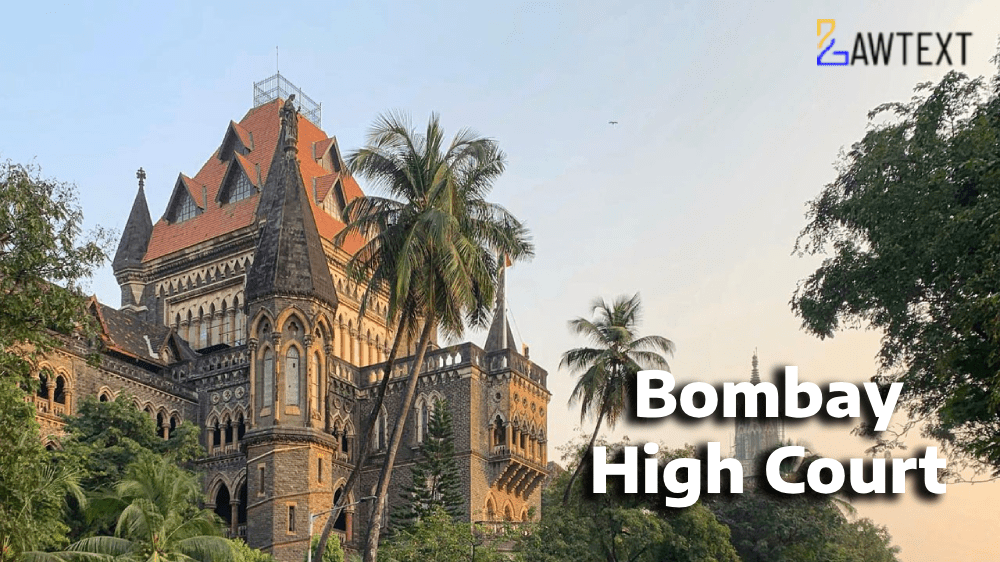
Bombay High Court Acquits Accused in Murder Case Due to Lack of Credible Evidence and Unreliable Witnesses. Conviction under Section 302 IPC Set Aside as Prosecution Failed to Prove Guilt Beyond Reasonable Doubt.

High Court: Bombay High Court Bench: NAGPUR In Favour of Accused
  • 116
Judgement Image
Font size:
Print

Case Note & Summary

The case pertains to the murder of Uttam Narnaware, for which the appellants, Sheikh Ahmed Munshi Sheikh (accused No.2) and Suman @ Sushila Radhelal @ Radhe Shahu (accused No.1), were convicted under Section 302 of the Indian Penal Code, 1860 (IPC) and sentenced to life imprisonment by the Adhoc Additional Sessions Judge-4, Nagpur in Sessions Trial No. 160 of 2012. The prosecution alleged that accused No.1 and the deceased had an illicit relationship while working in accused No.2's shop, and after a quarrel, the deceased left the shop. On 09.12.2011, accused No.1 called the deceased to the shop, and later the deceased was found dead. The prosecution relied on the testimony of the deceased's brother, who claimed to have seen the deceased going with accused No.1, and on the recovery of a knife and clothes at the instance of accused No.2. The trial court convicted both appellants. On appeal, the Bombay High Court re-appreciated the evidence and found that the sole eyewitness was an interested witness whose testimony was inconsistent and lacked corroboration. The recovery of weapons was not credible as the panch witnesses turned hostile. The court held that the prosecution failed to prove the chain of circumstances beyond reasonable doubt, and the last seen theory was not established. Consequently, the court allowed the appeals, set aside the conviction, and acquitted the appellants.

Headnote

A) Criminal Law - Murder - Circumstantial Evidence - Last Seen Theory - Conviction under Section 302 IPC set aside as prosecution failed to prove chain of circumstances - The appellants were convicted for murder based on last seen evidence and recovery of weapons, but the witnesses were unreliable and the recovery was not credible - Held that the prosecution must prove guilt beyond reasonable doubt, and the benefit of doubt must go to the accused (Paras 2-15).

B) Evidence Law - Witness Credibility - Interested Witnesses - Testimony of relatives and interested witnesses requires corroboration - The sole eyewitness was the brother of the deceased, and his testimony was inconsistent and not supported by independent evidence - Held that conviction cannot be based on the uncorroborated testimony of an interested witness (Paras 5-10).

C) Criminal Procedure - Appeal - Acquittal - High Court can re-appreciate evidence in appeal against conviction - The court re-appreciated the evidence and found the prosecution case doubtful - Held that the appellants are entitled to acquittal (Paras 1-15).

Subscribe to unlock Headnote Subscribe Now

Issue of Consideration

Whether the conviction of the appellants under Section 302 of the Indian Penal Code, 1860 (IPC) for murder is sustainable based on the evidence on record.

Subscribe to unlock Issue of Consideration Subscribe Now

Final Decision

The appeals are allowed. The judgment and order dated 29th December, 2012 passed by Adhoc Additional Sessions Judge-4, Nagpur in Sessions Trial No. 160 of 2012 is set aside. The appellants are acquitted of the offence punishable under Section 302 of the Indian Penal Code. Their bail bonds stand cancelled.

Law Points

  • Circumstantial evidence
  • Last seen theory
  • Credibility of witnesses
  • Benefit of doubt
  • Section 302 IPC
Subscribe to unlock Law Points Subscribe Now

Case Details

2018 LawText (BOM) (06) 163

Criminal Appeal (APEAL) No. 64 of 2013 and Criminal Appeal (APEAL) No. 65 of 2013

2018-06-28

P.N. Deshmukh, M.G. Giratkar

Shri Anil Mardikar (Senior Advocate for appellant), Shri S.J. Kadu (Additional Public Prosecutor for respondent/State)

Sheikh Ahmed Munshi Sheikh and Suman @ Sushila Radhelal @ Radhe Shahu

State of Maharashtra

Subscribe to unlock Case Details (Citation, Judge, Date & more) Subscribe Now

Nature of Litigation

Criminal appeal against conviction for murder under Section 302 IPC.

Remedy Sought

Appellants sought acquittal by challenging the judgment and order of conviction dated 29th December, 2012 passed by Adhoc Additional Sessions Judge-4, Nagpur in Sessions Trial No. 160 of 2012.

Filing Reason

Appellants were convicted for murder and sentenced to life imprisonment; they appealed against the conviction.

Previous Decisions

Trial court convicted both appellants under Section 302 IPC and sentenced them to life imprisonment and fine.

Issues

Whether the conviction under Section 302 IPC is sustainable based on the evidence on record. Whether the prosecution proved the chain of circumstances beyond reasonable doubt.

Submissions/Arguments

Appellant's counsel argued that the prosecution case is based on weak circumstantial evidence and the sole eyewitness is an interested witness whose testimony is unreliable. Respondent/State argued that the conviction is based on last seen evidence and recovery of weapons, and the trial court correctly appreciated the evidence.

Ratio Decidendi

The prosecution failed to prove the chain of circumstances beyond reasonable doubt. The sole eyewitness was an interested witness whose testimony was inconsistent and lacked corroboration. The recovery of weapons was not credible as panch witnesses turned hostile. Therefore, the appellants are entitled to the benefit of doubt and acquittal.

Judgment Excerpts

By way of present appeals, both the appellants challenged the judgment and order dated 29th December, 2012 passed by Adhoc Additional Sessions Judge-4, Nagpur in Sessions Trial No. 160 of 2012, thereby convicting the appellants for the offence punishable under Section 302 of the Indian Penal Code and sentenced to suffer imprisonment for life and to pay a fine of Rs.1,000/- each, in default, to further suffer RI for one month. The prosecution failed to prove the chain of circumstances beyond reasonable doubt. The sole eyewitness was an interested witness whose testimony was inconsistent and lacked corroboration. The recovery of weapons was not credible as panch witnesses turned hostile. Therefore, the appellants are entitled to the benefit of doubt and acquittal.

Procedural History

The trial court convicted the appellants on 29th December, 2012. The appellants filed Criminal Appeal No. 64 of 2013 and Criminal Appeal No. 65 of 2013 before the Bombay High Court, Nagpur Bench, which were heard together and disposed of by this judgment dated 28th June, 2018.

Acts & Sections

  • Indian Penal Code, 1860 (IPC): 302
Subscribe to unlock full Legal Analysis Subscribe Now
Related Judgement
High Court Bombay High Court Quashes FIR in Cheating Case Due to Civil Nature of Dispute. Failure to repay loan does not constitute cheating under Section 420 IPC when there is no initial dishonest intention.
Related Judgement
High Court Madras High Court Allows Husband's Appeal for Divorce on Ground of Adultery Under Section 13(1)(i) of Hindu Marriage Act, 1955. Illicit Relationship Proved Through Circumstantial Evidence and Conduct of Wife.