Case Note & Summary
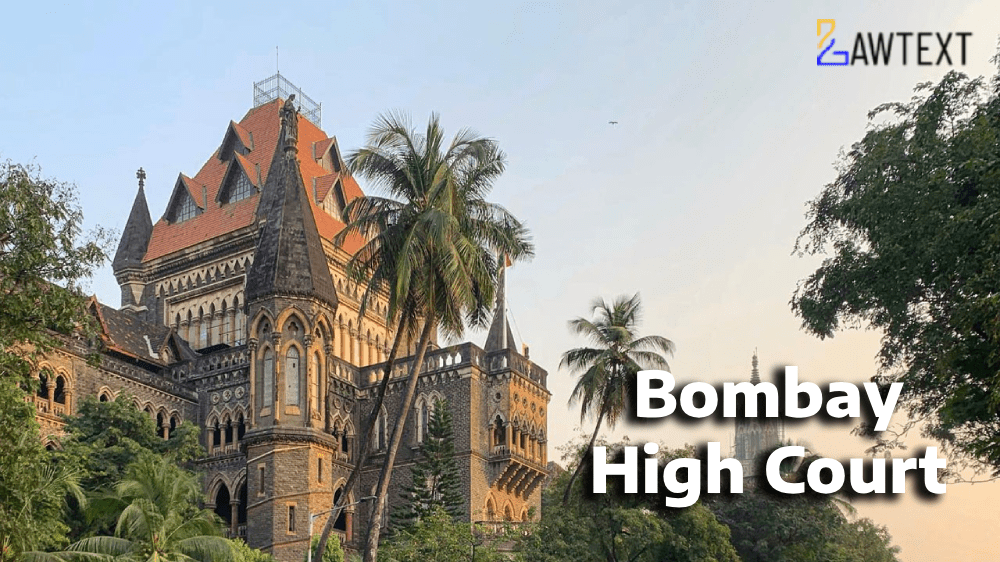
The appellant, Avinash @ Pinya Ashok Jadhav, was convicted by the 4th Ad-hoc Additional Sessions Judge, City Sessions Court, Sewree, Mumbai, for the murder of Dhanraj Sitaram Sakhare under Section 302 of the Indian Penal Code, 1860 (IPC) and sentenced to life imprisonment with a fine of Rs. 1000. The incident occurred on 8th August 2009, when the deceased left his house for a walk and was stabbed multiple times. The prosecution's case rested primarily on the testimony of PW-2 Nilesh, the 15-year-old nephew of the deceased, who claimed to have witnessed the stabbing. The appellant was arrested the next day, and allegedly, a knife and his clothes were recovered at his instance. The trial court convicted the appellant based on the eyewitness account and circumstantial evidence. On appeal, the Bombay High Court examined the evidence and found that PW-2's testimony was unreliable. The witness had given contradictory statements to the police and in court, and his testimony appeared to be tutored. The court noted that PW-2 was a related witness and his evidence required corroboration, which was lacking. The recovery of the weapon and clothes was not proved as the panch witnesses turned hostile, and the investigating officer's testimony was not corroborated. The court also observed that the prosecution failed to examine other independent witnesses who were present at the scene. Consequently, the court held that the prosecution had not proved its case beyond reasonable doubt. The appeal was allowed, the conviction and sentence were set aside, and the appellant was acquitted. The court directed that the appellant be set at liberty forthwith unless required in any other case.
Headnote
A) Criminal Law - Murder - Sole Eyewitness - Child Witness - Corroboration - Indian Penal Code, 1860, Section 302 - The appellant was convicted for murder based solely on the testimony of PW-2, a 15-year-old nephew of the deceased. The court held that the testimony of a child witness must be scrutinized with caution and requires corroboration, especially when the witness is related to the deceased. The evidence of PW-2 was found to be tutored, inconsistent, and unreliable, as he gave different versions in his statement to police and in court. The court also noted that the prosecution failed to examine other independent witnesses and the recovery of the weapon was not proved. Consequently, the conviction was set aside and the appellant was acquitted. (Paras 1-18) B) Criminal Law - Circumstantial Evidence - Incomplete Chain - Indian Penal Code, 1860, Section 302 - The prosecution relied on circumstantial evidence such as recovery of the weapon and clothes of the accused. However, the court found that the recovery was not proved beyond reasonable doubt as the panch witnesses turned hostile and the investigating officer's testimony was not corroborated. The chain of circumstances was incomplete, and the prosecution failed to exclude the possibility of the appellant's innocence. Hence, the conviction was unsustainable. (Paras 12-16) C) Criminal Law - Benefit of Doubt - Acquittal - Indian Penal Code, 1860, Section 302 - The court held that when the prosecution fails to prove its case beyond reasonable doubt, the accused is entitled to the benefit of doubt. In this case, the sole eyewitness's testimony was unreliable, and the circumstantial evidence was insufficient. Therefore, the appellant was acquitted of the charge under Section 302 IPC. (Paras 17-18)
Issue of Consideration
Whether the conviction of the appellant under Section 302 of the Indian Penal Code, 1860 based on the testimony of a sole eyewitness, who is a child and relative of the deceased, is sustainable in law.
Final Decision
The appeal is allowed. The judgment and order dated 27th April 2010 passed by the 4th Ad-hoc Additional Sessions Judge, City Sessions Court, Sewree, Mumbai, in Sessions Case No.626 of 2009, convicting the appellant for the offence punishable under Section 302 of the Indian Penal Code and sentencing him to life imprisonment and fine, is set aside. The appellant is acquitted of the charge. He is directed to be set at liberty forthwith unless required in any other case.
Law Points
- Conviction based on sole eyewitness testimony must be corroborated if the witness is a child or related to the deceased
- Testimony of a child witness must be examined with caution and corroboration
- Circumstantial evidence must form a complete chain to prove guilt
- Benefit of doubt must be given to accused if prosecution fails to prove case beyond reasonable doubt