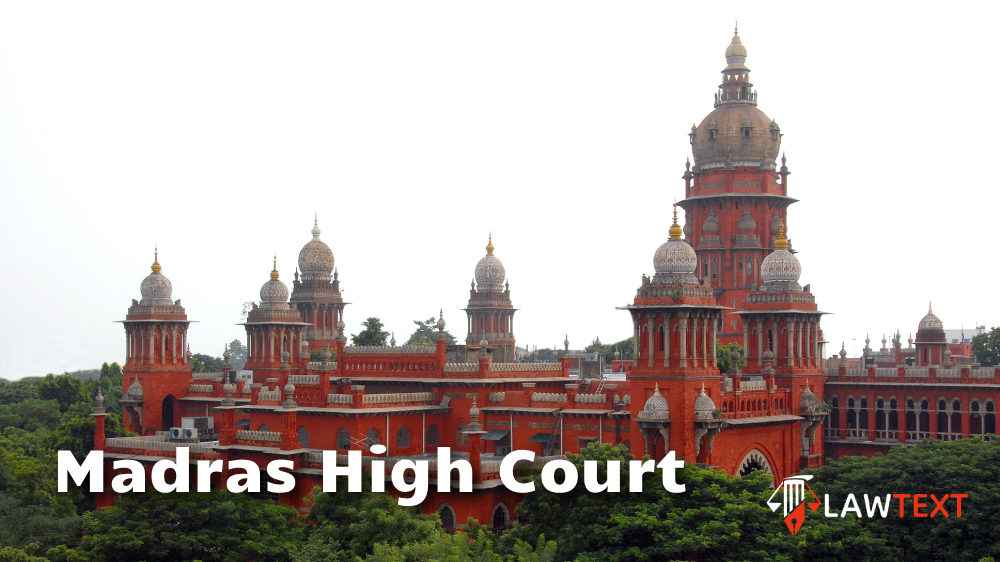
Bombay High Court Hears Accused's Appeal against Conviction under Section 302 IPC — Dying Declaration's Reliability and Contradictions Raised. Legal challenge raised multiple grounds including contradictions and absence of medical endorsement, with the trial court's reliance on the dying declaration being the central issue.

High Court: Bombay High Court Bench: AURANGABAD
  • 4
Judgement Image
Font size:
Print

Case Note & Summary

The appellant, Syed Tajoddin, original accused no.1, was convicted by the Sessions Judge, Aurangabad on 22nd February 2001 in Sessions Case No. 298 of 2000 for the offence punishable under Section 302 of the Indian Penal Code and sentenced to life imprisonment and fine. He preferred a criminal appeal challenging the conviction. The prosecution case was that the appellant had an illicit relationship with the deceased Sangita Manmode, a resident of Kalyan Nagar, Pachod. The deceased had given Rs.8000 to the appellant for purchase of land about six months prior. On 28th February 2000, she went to his house demanding the money, whereupon he abused and threatened her, then brought kerosene, poured it on her and set her on fire. She suffered 100% burns and died the same day. A dying declaration was recorded by PSI Chakre (PW9) in the presence of the doctor. The trial court convicted the appellant but acquitted his wife, the co-accused. The appellant's counsel submitted that the dying declaration was contradictory as at one place the deceased said the appellant alone poured kerosene and at another that both the appellant and his wife did so. The declaration lacked endorsement by the doctor at the start concerning the patient's fitness, and the toe impression was not attested. The counsel argued that with 100% burns, the capacity to give a statement was doubtful, and there were no independent witnesses. The witnesses from the neighborhood did not support the prosecution. The learned APP countered that the dying declaration was correctly recorded, the medical officer had stated that the patient told him the history of homicidal burns, and the evidence of the investigating officer and doctor was credible. The court heard the parties and perused the record but the extract of the judgment provided does not contain the final decision and ratio. The court was engaged in examining the reliability of the dying declaration and the sufficiency of the circumstantial evidence.

Headnote

A) Criminal Law - Dying Declaration - Contradictions - Indian Penal Code, 1860 Section 302 - The appellant argued that the dying declaration contained contradictions about who poured kerosene and set the deceased on fire, which rendered it unreliable, and the trial court erred in relying on it to convict (Paras 4-5).

B) Criminal Law - Dying Declaration - Doctor's Endorsement - Indian Evidence Act, 1872 - The appellant contended that the absence of a doctor's endorsement at the beginning of the dying declaration and the investigating officer's testimony that he obtained signature after recording indicated that the deceased's condition was not properly certified, casting doubt on its voluntariness (Paras 4, 8).

C) Criminal Law - Motive - Circumstantial Evidence - Indian Penal Code, 1860 Section 302 - The prosecution relied on a monetary dispute of Rs.8000 as motive, but the appellant argued that no documentary or independent evidence was led to prove the payment, weakening the motive and the circumstantial case (Para 5).

D) Criminal Law - Burn Injuries - Capacity to Make Dying Declaration - Indian Evidence Act, 1872 - Given 100% burns and the death the same day, the appellant questioned her physical and mental capacity to give a coherent dying declaration, and noted that the toe impression on the statement was unattested (Paras 4, 5).

Subscribe to unlock Headnote Subscribe Now

Issue of Consideration

Whether the dying declaration suffered from contradictions and was not reliable to sustain conviction under Section 302 of the Indian Penal Code, 1860; and whether the trial court's conviction was justified.

Subscribe to unlock Issue of Consideration Subscribe Now

Law Points

  • dying declaration
  • Section 302 IPC
  • circumstantial evidence
  • contradictions
  • doctor's endorsement
  • 100% burns
  • credibility
  • conviction
Subscribe to unlock Law Points Subscribe Now

Case Details

2017 LawText (BOM) (07) 24

Criminal Appeal No. 86 of 2001

2017-07-17

S.S. Shinde, S.M. Gavhane

N.S. Ghanekar for appellant, S.J. Salgare for respondent

Syed Tajoddin S/o. Syed Rehman

The State of Maharashtra

Subscribe to unlock Case Details (Citation, Judge, Date & more) Subscribe Now

Nature of Litigation

Criminal appeal against conviction under Section 302 of the Indian Penal Code

Remedy Sought

Appellant seeks to set aside conviction and sentence imposed by the trial court

Filing Reason

Aggrieved by the judgment and order dated 22.02.2001 of the Sessions Judge, Aurangabad in Sessions Case No. 298/2000 convicting him of murder

Previous Decisions

The trial court convicted the appellant under Section 302 IPC and sentenced him to imprisonment for life and fine, acquitting co-accused (wife)

Issues

Whether the dying declaration was unreliable due to contradictions about who poured kerosene and set the deceased on fire Whether the absence of doctor's endorsement at the beginning of the dying declaration and lack of attestation of toe impression affected its admissibility Whether the deceased was in a fit state of mind to make a dying declaration given 100% burns Whether the motive of money dispute was insufficiently proved Whether the circumstantial evidence was enough to sustain conviction without eye-witnesses

Submissions/Arguments

Appellant argued that the dying declaration contained contradictions, as the deceased first said only the appellant acted and later said both the appellant and his wife poured kerosene; therefore the declaration was unreliable and could not be the basis of conviction. Appellant contended that the doctor did not endorse the deceased’s fitness at the beginning of the recording, and the investigating officer obtained the doctor’s signature after recording, which cast doubt on the voluntariness of the declaration. Appellant submitted that the deceased had 100% burns and died the same day, making it doubtful whether she was capable of giving a coherent statement, and the toe impression on the declaration was not attested. Appellant pointed out that the neighbourhood witnesses turned hostile, no independent eye-witnesses were examined, and the recovery of a kerosene can was not shown from the spot. Appellant claimed that the motive of a Rs.8000 payment was not proved by any documentary or independent evidence. The State argued that the dying declaration was correctly recorded by the investigating officer and the medical officer confirmed that the patient had stated the history of homicidal burns; the contradictions were minor and the declaration was credible.

Judgment Excerpts

he brought kerosene from the house and poured it on her person and set her on fire there is no direct evidence the endorsement on the dying declaration is not proved the dying declaration is disbelieved to the extent of accused no.2

Procedural History

On 28.02.2000, Sangita sustained burns and was admitted to Rural Hospital, Pachod; PSI Chakre recorded her statement as FIR under Section 307 IPC; she died the same day, and Section 302 IPC was added; charge sheet filed on 24.03.2000; the case was committed to Sessions Court; trial held; on 22.02.2001 the Sessions Judge convicted appellant under Section 302 IPC and sentenced life imprisonment and fine, while acquitting co-accused wife; appeal filed in High Court; heard on 29.06.2017 and judgment pronounced on 17.07.2017.

Acts & Sections

  • Indian Penal Code, 1860: 302, 307, 34
Subscribe to unlock full Legal Analysis Subscribe Now
Related Judgement
High Court Bombay High Court Hears Accused's Appeal against Conviction under Section 302 IPC — Dying Declaration's Reliability and Contradictions Raised. Legal challenge raised multiple grounds including contradictions and absence of medical endorsement, with...
Related Judgement
Supreme Court Supreme Court Affirms That Employee of Government-Owned Company Not Holding Civil Post Under Union; Article 311 Protection Denied. Hindustan Steel Ltd.'s Independent Corporate Existence Precludes Characterisation of Its Posts as Civil Posts Under the...