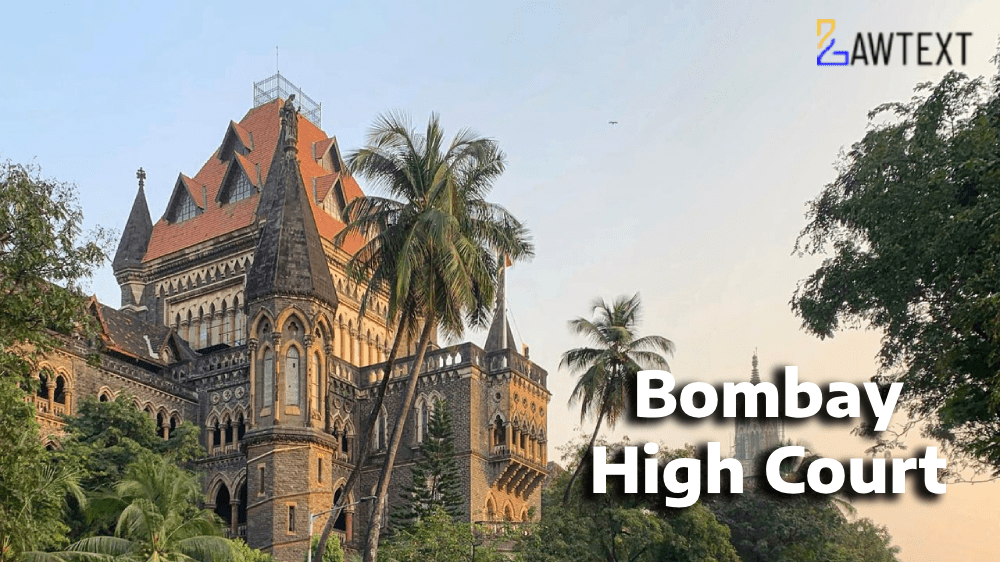
Case Note & Summary
The Supreme Court of India heard appeals by the University of Delhi against a common judgment of the Delhi High Court dated 29.10.2018, which declined to condone a delay of 916 days in filing a Letters Patent Appeal (LPA) against a Single Judge's order dated 27.04.2015. The Single Judge had dismissed the University's writ petition challenging a decision of the Delhi Development Authority (DDA) allowing M/s Young Builders (P) Ltd. to construct a high-rise group housing society in the control zone of Zone-C in the University campus, without height restriction, on land leased to the Delhi Metro Rail Corporation (DMRC). The University contended that the construction violated the Master Plan of Delhi-2021 and was against public interest, affecting historical buildings, privacy of ladies' hostels, and access for students and teachers. The DMRC argued that the land was surplus and the housing project was intended to generate revenue. The Single Judge dismissed the writ petition on grounds of delay and laches, and on merits, holding that the change of land use was permissible and no illegality was shown. The University then constituted a committee to recommend the course of action, and after receiving its report on 11.11.2016, the Executive Council resolved on 28.02.2017/07.03.2017 to file an appeal. The LPA was filed on 01.03.2018 with a delay condonation application explaining the delay due to the decision-making process, including the vacancy of the Vice-Chancellor post, constitution of a committee, consideration of representations from disabled students under the Rights of Persons with Disabilities Act, 2016, and reports on accidents at Chhatra Marg. The Division Bench dismissed the LPA solely on the ground of delay without considering merits. The Supreme Court held that the explanation constituted 'sufficient cause' under Section 5 of the Limitation Act, 1963, as the University is a statutory body requiring democratic decision-making, and the delay was not intentional or mala fide. The Court set aside the High Court order, condoned the delay, and directed the High Court to hear the LPA on merits, observing that a liberal approach should be adopted for public bodies.
Headnote
A) Limitation Act - Condonation of Delay - Sufficient Cause - Section 5 - Delay of 916 days in filing appeal - University's decision-making process involving Executive Council and expert committees - Held that the explanation constituted sufficient cause, as the University is a statutory body requiring democratic decision-making and the delay was not intentional or mala fide (Paras 12-30). B) Limitation Act - Condonation of Delay - Public Bodies - Liberal Approach - Section 5 - Courts should adopt a liberal approach in condoning delay when the delay is occasioned by the decision-making process of a public body, provided there is no gross negligence or deliberate inaction (Paras 18-22). C) Limitation Act - Condonation of Delay - Role of Executive Council - Section 5 - The requirement of approval from the Executive Council under Section 21 of the Delhi University Act, 1922, and the constitution of a committee to recommend the course of action, constitute valid grounds for delay (Paras 23-26).
Issue of Consideration
Whether the High Court was justified in refusing to condone the delay of 916 days in filing the Letters Patent Appeal, and whether the explanation offered by the appellant-University constituted 'sufficient cause' within the meaning of Section 5 of the Limitation Act, 1963.
Final Decision
The Supreme Court allowed the appeals, set aside the High Court order dated 29.10.2018, condoned the delay of 916 days in filing the LPA, and directed the High Court to hear the LPA on merits.
Law Points
- Condonation of delay
- Sufficient cause
- Limitation Act
- Section 5
- Liberal approach for public bodies
- Decision-making process of statutory bodies
- Delay in filing appeal