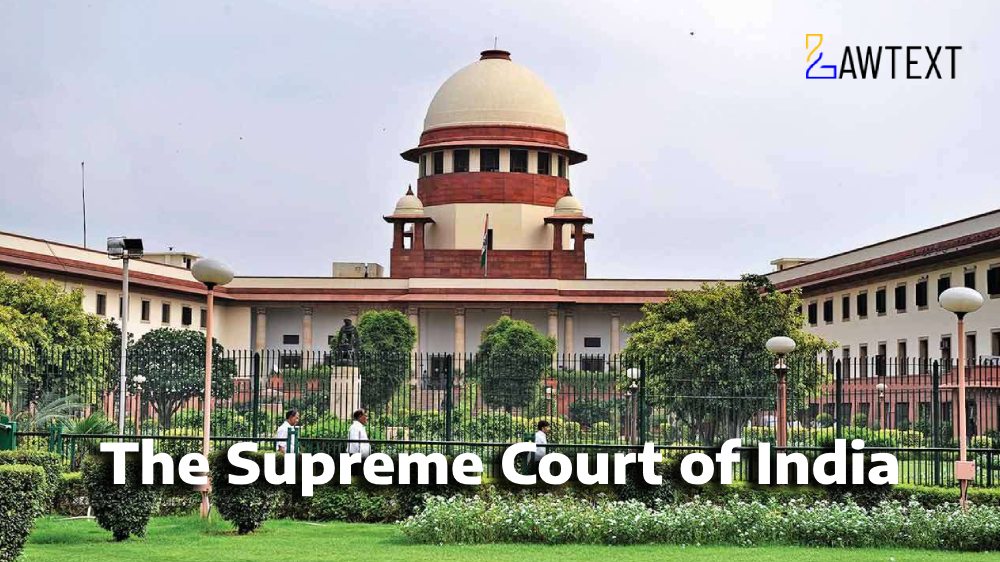
Supreme Court Upholds Conviction for Attempt to Murder in Concurrent Findings Case. Court declines to interfere with concurrent findings of fact based on credible eyewitness testimony and medical evidence under Section 307 IPC.

  • 87
Judgement Image
Font size:
Print

Case Note & Summary

The case involves three criminal appeals against a common judgment of the Punjab & Haryana High Court dated 16.08.2010, which dismissed the appeals of the appellants and upheld their conviction and sentence by the Additional Sessions Judge, Rewari, in Sessions Case No. 13/2000. The appellants were convicted under Sections 307/506 read with Section 34 of the Indian Penal Code (IPC) for an incident that occurred on 06.06.2000, leading to FIR No. 116. The trial court convicted them, and the High Court affirmed the conviction. The Supreme Court, in this judgment, examined the principles governing interference with concurrent findings of fact. The Court noted that it would not normally reappreciate evidence unless the assessment is vitiated by an error of law or procedure, misreading of evidence, or inconsistency with the evidence. The Court found no such error in the concurrent findings of the courts below. The Court also considered the argument regarding inconsistency between ocular and medical evidence but found that the High Court had correctly appreciated the evidence. Consequently, the Supreme Court dismissed all three appeals, upholding the conviction and sentence.

Headnote

A) Criminal Law - Attempt to Murder - Section 307 IPC - Concurrent Findings - The Supreme Court reiterated the principles governing interference with concurrent findings of fact, holding that it would not reappreciate evidence unless the assessment is vitiated by error of law, misreading of evidence, or inconsistency with evidence. The Court found no such error in the concurrent findings of the courts below. (Paras 2-3)

B) Criminal Procedure - Appeal - Special Leave - Interference with Concurrent Findings - The Court, relying on Dalbir Kaur & Ors. vs. State of Punjab (1976) 4 SCC 158, held that it would not interfere with concurrent findings of fact based on pure appreciation of evidence even if a different view is possible, unless there is serious prejudice or injustice. (Para 2)

Subscribe to unlock Headnote Subscribe Now

Issue of Consideration

Whether the Supreme Court should interfere with the concurrent findings of fact recorded by the trial court and the High Court convicting the appellants under Sections 307/506 read with Section 34 IPC.

Subscribe to unlock Issue of Consideration Subscribe Now

Final Decision

All three criminal appeals dismissed. Conviction and sentence under Sections 307/506 read with Section 34 IPC upheld.

Law Points

  • Concurrent findings of fact
  • Interference by Supreme Court
  • Appreciation of evidence
  • Ocular evidence vs medical evidence
  • Section 307 IPC
  • Section 34 IPC
Subscribe to unlock Law Points Subscribe Now

Case Details

2026 INSC 524

Criminal Appeal No. 2207 of 2011, Criminal Appeal No. 2209/2011, Criminal Appeal No. 2210/2011

2026-01-01

Nongmeikapam Kotiswar Singh

2026 INSC 524

Roshan Lal

The State of Haryana & Anr

Subscribe to unlock Case Details (Citation, Judge, Date & more) Subscribe Now

Nature of Litigation

Criminal appeals against conviction for attempt to murder and criminal intimidation.

Remedy Sought

Appellants sought setting aside of conviction and sentence imposed by trial court and upheld by High Court.

Filing Reason

Appellants were convicted under Sections 307/506 read with Section 34 IPC for an incident on 06.06.2000.

Previous Decisions

Trial court convicted appellants on 02.05.2002; High Court dismissed appeals on 16.08.2010.

Issues

Whether the Supreme Court should interfere with concurrent findings of fact. Whether the conviction under Section 307 IPC is sustainable.

Submissions/Arguments

Appellants argued that the High Court erred in appreciating evidence and that there was inconsistency between ocular and medical evidence. Respondent State supported the concurrent findings and argued no interference warranted.

Ratio Decidendi

The Supreme Court will not interfere with concurrent findings of fact based on pure appreciation of evidence unless vitiated by error of law, misreading of evidence, or inconsistency with evidence. No such error found in this case.

Judgment Excerpts

the principles governing interference by this Court in a criminal appeal by special leave may be summarised as follows: (1) that this Court would not interfere with the concurrent finding of fact based on pure appreciation of evidence even if it were to take a different view on the evidence;

Procedural History

FIR No. 116 dated 06.06.2000 under Sections 323/325/506 IPC, later Section 307 IPC added. Trial by Additional Sessions Judge, Rewari, convicted appellants on 02.05.2002. Appeals to Punjab & Haryana High Court dismissed on 16.08.2010. Present appeals to Supreme Court.

Acts & Sections

  • Indian Penal Code, 1860 (IPC): 307, 506, 34, 323, 325
Subscribe to unlock full Legal Analysis Subscribe Now
Related Judgement
High Court Bombay High Court Quashes Criminal Complaint for Cheque Dishonour Due to Lack of Proper Service of Demand Notice and Non-Compliance with Section 138 NI Act Requirements. The court held that the complaint did not disclose essential ingredients of the ...
Related Judgement
Supreme Court Supreme Court Upholds Conviction for Attempt to Murder in Concurrent Findings Case. Court declines to interfere with concurrent findings of fact based on credible eyewitness testimony and medical evidence under Section 307 IPC.