
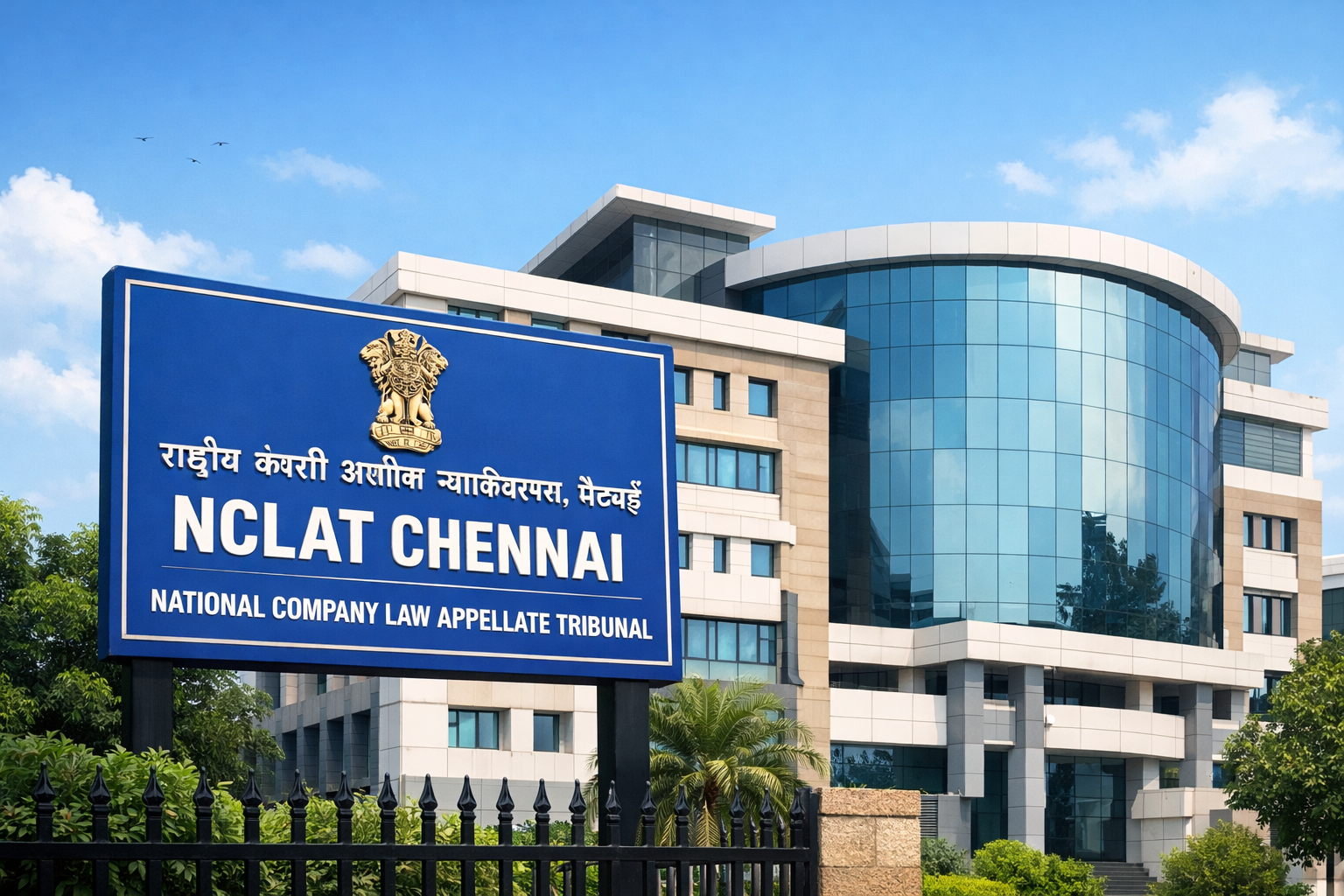
NCLAT Allows Appeal Against Dismissal of Section 7 IBC Application by Financial Creditor. Loan Agreement and Default Established Through Signed Documents and Acknowledgment of Debt.

Tribunals: National Company Law Appellate Tribunal Bench: CHENNAI
  • 74
Judgement Image
Font size:
Print

Case Note & Summary

The present appeal was filed by Desana Impex Limited (Appellant), a Non-Banking Financial Corporation (NBFC) registered under the Companies Act, 2013 and the RBI Act, 1934, against the order dated 21.11.2023 passed by the National Company Law Tribunal, Kolkata Bench (Adjudicating Authority) in CP (IB) No. 342/KB/2022. The Adjudicating Authority had dismissed the Appellant's application under Section 7 of the Insolvency and Bankruptcy Code, 2016 (IBC) for initiation of Corporate Insolvency Resolution Process (CIRP) against Brick and Mortar Realty Private Limited (Respondent), a real estate company. The Appellant contended that the Respondent approached it for a loan of ₹1,50,00,000 (rupees one crore and fifty lakhs only) for business expansion and working capital, which was mutually agreed as an Inter Corporate Loan. The loan was to be disbursed as and when required or demanded by the Respondent. The Appellant disbursed the loan amount, and the Respondent executed a loan agreement and acknowledged the debt. However, the Respondent failed to repay the loan, leading to default. The Appellant filed a Section 7 application before the Adjudicating Authority, which was dismissed. The Appellant argued that the dismissal was erroneous as the debt and default were clearly established through the loan agreement and acknowledgment. The Respondent did not appear before the NCLAT. The NCLAT, after hearing the Appellant, set aside the impugned order and remanded the matter back to the Adjudicating Authority for fresh consideration, directing that the Section 7 application be restored and decided on merits.

Headnote

A) Insolvency Law - Section 7 IBC - Financial Debt - Inter Corporate Loan - The Appellant, a Non-Banking Financial Corporation, provided an inter-corporate loan of ₹1,50,00,000 to the Respondent. The loan agreement was executed and the Respondent acknowledged the debt. The Adjudicating Authority dismissed the Section 7 application. Held that the dismissal was erroneous as the debt and default were established. (Paras 1-3)

Subscribe to unlock Headnote Subscribe Now

Issue of Consideration

Whether the Adjudicating Authority erred in dismissing the Section 7 IBC application filed by the Appellant (Financial Creditor) despite the existence of a loan agreement and acknowledgment of debt by the Respondent (Corporate Debtor).

Subscribe to unlock Issue of Consideration Subscribe Now

Final Decision

The NCLAT set aside the impugned order dated 21.11.2023 and remanded the matter back to the Adjudicating Authority for fresh consideration, directing that the Section 7 application be restored and decided on merits.

Law Points

  • Financial Creditor
  • Corporate Debtor
  • Default
  • Section 7 IBC
  • Inter Corporate Loan
  • Adjudicating Authority
  • Dismissal
  • Appeal
  • Loan Agreement
  • Acknowledgment of Debt
Subscribe to unlock Law Points Subscribe Now

Case Details

2024 LawText (NCLAT) (01) 112

Company Appeal (AT) (Insolvency) No. 318 of 2024

0000-00-00

Arun Baroka

Mr. Vaibhav Mahajan, Ms. Harshita Aggarwal

Desana Impex Limited

Brick and Mortar Realty Private Limited

Subscribe to unlock Case Details (Citation, Judge, Date & more) Subscribe Now

Nature of Litigation

Appeal against dismissal of Section 7 IBC application by Adjudicating Authority.

Remedy Sought

Appellant sought setting aside of the impugned order and restoration of the Section 7 application for initiation of CIRP against the Respondent.

Filing Reason

The Adjudicating Authority dismissed the Section 7 application despite existence of loan agreement and acknowledgment of debt.

Previous Decisions

The Adjudicating Authority (NCLT, Kolkata Bench) dismissed CP (IB) No. 342/KB/2022 on 21.11.2023.

Issues

Whether the Adjudicating Authority erred in dismissing the Section 7 IBC application despite the existence of a loan agreement and acknowledgment of debt.

Submissions/Arguments

Appellant argued that the loan agreement and acknowledgment of debt clearly establish the debt and default, and the Adjudicating Authority erred in dismissing the application.

Ratio Decidendi

The dismissal of a Section 7 IBC application is erroneous when the financial creditor has established the existence of a loan agreement and acknowledgment of debt, indicating a default. The Adjudicating Authority must consider such evidence before dismissing the application.

Judgment Excerpts

The present Appeal is filed by the Appellant herein namely Desana Impex Limited under Section 61 of the Insolvency and Bankruptcy Code, 2016 (IBC), against the Order dated 21.11.2023 by which the National Company Law Tribunal (Adjudicating Authority), Kolkata Bench, in Company Petition (IB) No. 342/KB/2022 dismissed the Application under Section 7 of the Code. It is contended by the Appellant that the Respondent approached the Appellant for seeking a loan of ₹1,50,00,000/- (rupees one crores and fifty lakhs only) to meet its business expansion and working capital requirement in its usual course of business.

Procedural History

The Appellant filed a Section 7 IBC application before the NCLT, Kolkata Bench, which was dismissed on 21.11.2023. The Appellant then filed the present appeal before the NCLAT under Section 61 IBC.

Acts & Sections

  • Insolvency and Bankruptcy Code, 2016: Section 7, Section 61
  • Companies Act, 2013:
  • Reserve Bank of India Act, 1934: Section 45-IA
Subscribe to unlock full Legal Analysis Subscribe Now
Related Judgement
Tribunals NCLAT Allows Appeal Against Dismissal of Section 7 IBC Application by Financial Creditor. Loan Agreement and Default Established Through Signed Documents and Acknowledgment of Debt.
Related Judgement
High Court Bombay High Court Dismisses Petitions Challenging Reduction of Superannuation Age from 60 to 58 for Employees of Government Mining Corporation. State as Sole Shareholder Can Amend Service Rules Unilaterally Without Employee Consent.






