
Case Note & Summary
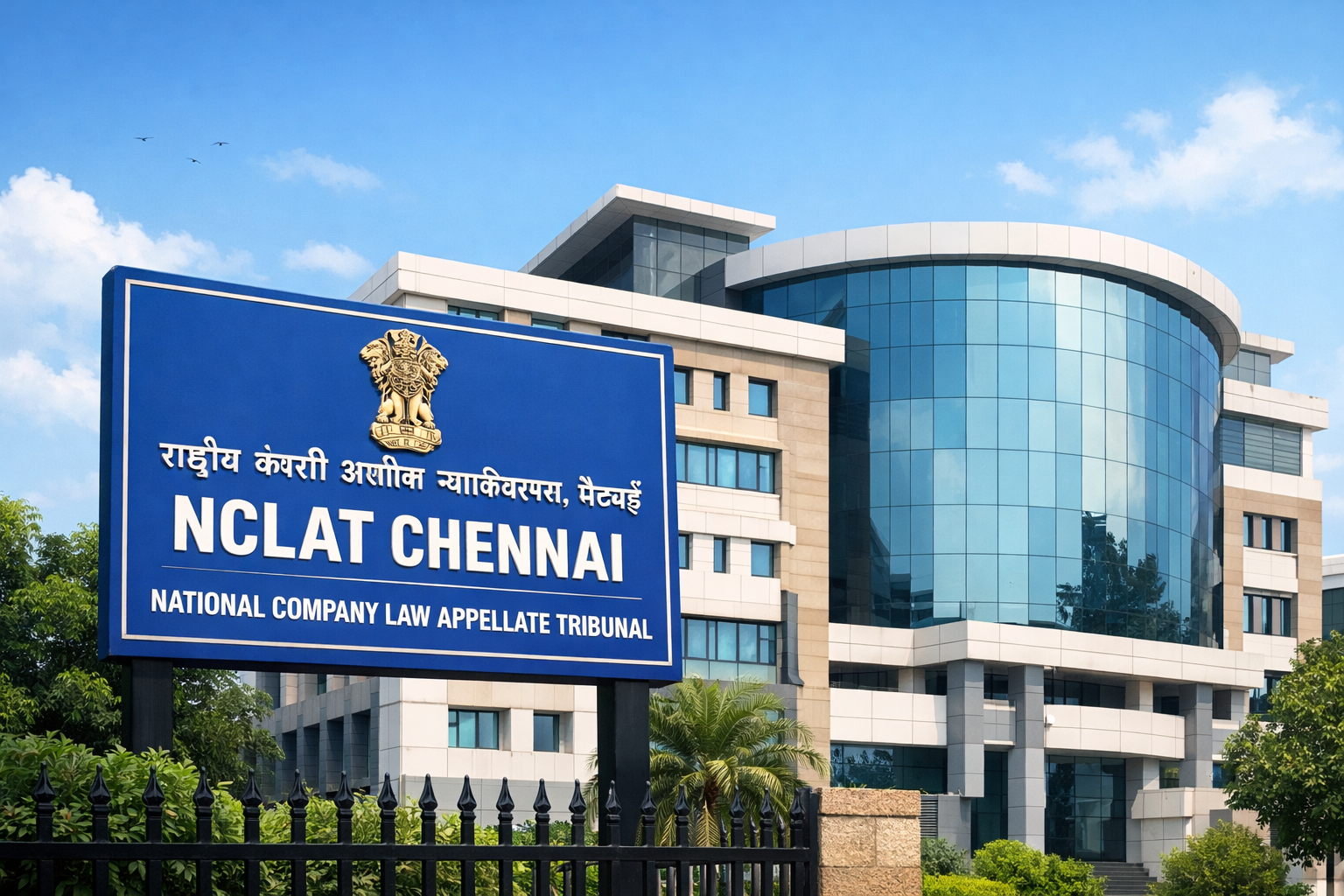
The judgment pertains to two appeals filed by suspended directors of M/s. Sri Pavana Keerthi Hotels India Private Limited (Corporate Debtor) against the order of the National Company Law Tribunal (NCLT), Hyderabad, admitting an application under Section 7 of the Insolvency and Bankruptcy Code, 2016 (IBC) filed by M/s. Pridhvi Asset Reconstruction and Securitization Company Ltd. (Financial Creditor). The Financial Creditor had sanctioned a loan of Rs. 10 crores to the Corporate Debtor in 2014, which was secured by a mortgage. The account was declared NPA on 31.03.2016. The Section 7 application was filed on 22.12.2022, which was admitted by the NCLT on 19.01.2024. The suspended directors appealed, primarily contending that the application was barred by limitation, as the default occurred in 2016 and the application was filed beyond three years. The NCLAT examined the issue of limitation and held that the date of default is the date when the debt became due and payable, which in this case was the date of the first default in repayment. The court noted that the Financial Creditor had classified the account as NPA on 31.03.2016, but the default had occurred earlier. However, the court found that the Corporate Debtor had acknowledged the debt in its balance sheets for the financial years 2017-18, 2018-19, and 2019-20, which were signed by the directors. Relying on Section 18 of the Limitation Act, 1963, the court held that such acknowledgments extend the limitation period. The court also considered the argument that the suspended directors lacked locus standi to challenge the admission order on merits, as the CIRP had already been initiated. The court dismissed both appeals, upholding the NCLT order and confirming the admission of the CIRP.
Headnote
A) Insolvency and Bankruptcy Code - Limitation for Section 7 Application - Date of Default - The limitation period for filing an application under Section 7 of the IBC is computed from the date of default, not from the date of classification of the account as Non-Performing Asset (NPA). The court held that the date of default is the date when the debt became due and payable, and the NPA classification is only a regulatory requirement for banks. (Paras 8-10) B) Insolvency and Bankruptcy Code - Acknowledgment of Debt - Section 18 of Limitation Act, 1963 - Balance Sheets as Acknowledgment - The court held that entries in the balance sheets of the Corporate Debtor, signed by the directors, constitute an acknowledgment of debt under Section 18 of the Limitation Act, 1963, thereby extending the limitation period. The court relied on the principle that balance sheets are statutory documents and are admissible as acknowledgments. (Paras 11-13) C) Insolvency and Bankruptcy Code - Locus Standi of Suspended Directors - Challenge to Admission Order - The court held that once the CIRP is admitted, the suspended directors lose their right to manage the affairs of the Corporate Debtor and cannot challenge the admission order on merits. Their role is limited to providing information and cooperating with the Resolution Professional. (Paras 14-15)
Issue of Consideration
Whether the Corporate Insolvency Resolution Process (CIRP) initiated against the Corporate Debtor under Section 7 of the Insolvency and Bankruptcy Code, 2016 (IBC) is barred by limitation, and whether the suspended directors have locus to challenge the admission order on merits.
Final Decision
Both appeals dismissed. NCLT order admitting CIRP upheld.
Law Points
- Limitation period for Section 7 application under IBC computed from date of default
- not date of NPA classification
- Section 18 of Limitation Act applies to acknowledgments of debt in balance sheets
- CIRP initiation cannot be challenged by suspended directors on merits after admission





