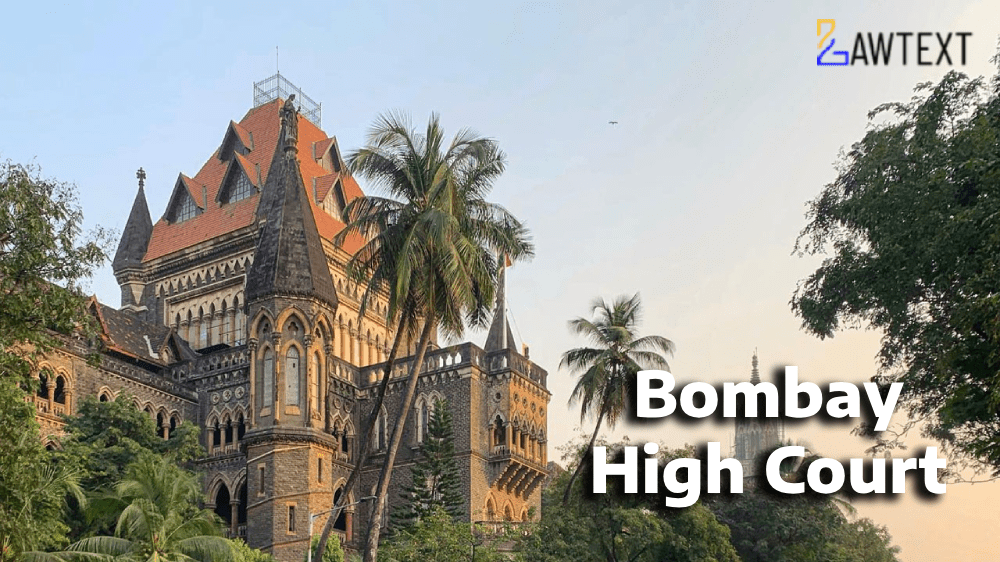
Bombay High Court Dismisses Petition Challenging Industrial Court Order for Reinstatement with Full Back Wages. Termination of Workmen Held to Be Colourable Exercise of Employer's Rights and Victimization Under Industrial Disputes Act, 1947.

High Court: Bombay High Court Bench: BOMBAY In Favour of Accused
  • 101
Judgement Image
Font size:
Print

Case Note & Summary

The petitioner, Anglo French Drugs & Industries Ltd., challenged an order of the Industrial Court dated 11th April 2002, which allowed a revision application filed by the respondent union against the Labour Court's order. The Labour Court had held that the petitioner was involved in an unfair labour practice by discharging or dismissing workmen by way of victimization, and that the termination was not bona fide but a colourable exercise of employer's rights in disregard of principles of natural justice. The Labour Court directed reinstatement with 50% back wages. The Industrial Court, in revision, directed reinstatement with full back wages and continuity of service. The petitioner was established in 1923 in Bombay, initially importing and later manufacturing pharmaceutical drugs on loan licence for Roche Pharmaceutical India Ltd. In 1959, F. Hoffman La Roche & Co. of Switzerland acquired majority control. On 1st April 1961, Roche purchased the Bombay factory. Thereafter, the petitioner engaged in trading and marketing until 1976 when it established a factory in Bangalore. On 1st August 1980, the Prabhadevi factory licence was surrendered. On 10th December 1984, the petitioner issued a notice to employees citing losses and deciding to centralize activities in Bangalore, leading to termination of Mumbai workmen. The legal issues centered on whether the termination constituted unfair labour practice and victimization. The court analyzed the facts and held that the Industrial Court's order was justified, dismissing the petition.

Headnote

A) Industrial Law - Unfair Labour Practice - Victimization - Termination of workmen by way of victimization constitutes unfair labour practice - The Labour Court held that the termination was not bona fide but in colourable exercise of the rights of the employer and in disregard of principles of natural justice - The Industrial Court in revision directed reinstatement with full back wages and continuity of service - Held that the Industrial Court's order was justified (Paras 1-2).

Subscribe to unlock Headnote Subscribe Now

Issue of Consideration

Whether the Industrial Court was justified in directing reinstatement with full back wages and continuity of service after the Labour Court had directed reinstatement with 50% back wages.

Subscribe to unlock Issue of Consideration Subscribe Now

Final Decision

The High Court dismissed the writ petition, upholding the Industrial Court's order directing reinstatement with full back wages and continuity of service.

Law Points

  • Unfair labour practice
  • victimization
  • colourable exercise of employer's rights
  • principles of natural justice
  • reinstatement with full back wages
  • continuity of service
Subscribe to unlock Law Points Subscribe Now

Case Details

2005 LawText (BOM) (04) 221

WRIT PETITION NO.1495 OF 2002

2005-04-01

Dr. D.Y. Chandrachud, J.

Mr. C.U. Singh with Ms. Geetanjali Prabhu i/b. Sanjay Udeshi & Co. for the Petitioner; Ms. Hutoxi Tavadia for the Respondent

Anglo French Drugs & Industries Ltd.

Roche/Anglo French Employees' Union

Subscribe to unlock Case Details (Citation, Judge, Date & more) Subscribe Now

Nature of Litigation

Writ petition challenging order of Industrial Court directing reinstatement with full back wages and continuity of service.

Remedy Sought

Petitioner sought to quash the Industrial Court's order and restore the Labour Court's order of reinstatement with 50% back wages.

Filing Reason

Petitioner challenged the Industrial Court's revision order which enhanced back wages from 50% to full.

Previous Decisions

Labour Court held termination was unfair labour practice and victimization, directed reinstatement with 50% back wages. Industrial Court in revision directed reinstatement with full back wages and continuity of service.

Issues

Whether the Industrial Court was justified in directing reinstatement with full back wages and continuity of service.

Submissions/Arguments

Petitioner argued that the Industrial Court erred in enhancing back wages. Respondent union supported the Industrial Court's order.

Ratio Decidendi

The termination of workmen by way of victimization constitutes an unfair labour practice. The Industrial Court was justified in directing reinstatement with full back wages and continuity of service as the termination was not bona fide but a colourable exercise of employer's rights in disregard of principles of natural justice.

Judgment Excerpts

The Labour Court held that the Petitioner was involved in an unfair labour practice in discharging or dismissing the workmen by way of victimization. The Labour Court held that the termination was not bona fide but in colourable exercise of the rights of the employer and in disregard of the principles of natural justice.

Procedural History

The Labour Court initially directed reinstatement with 50% back wages. The Union filed a revision application before the Industrial Court, which allowed the revision and directed reinstatement with full back wages and continuity of service. The Petitioner then filed a writ petition in the High Court challenging the Industrial Court's order.

Acts & Sections

  • Industrial Disputes Act, 1947:
Subscribe to unlock full Legal Analysis Subscribe Now
Related Judgement
High Court Bombay High Court Quashes Scrutiny Committee Order Invalidating Scheduled Tribe Certificate for 'Mana' Caste — Committee Failed to Consider Consistent Documentary Evidence and Prior Validity Certificates of Blood Relatives.
Related Judgement
High Court Bombay High Court Dismisses Petition Challenging Industrial Court Order for Reinstatement with Full Back Wages. Termination of Workmen Held to Be Colourable Exercise of Employer's Rights and Victimization Under Industrial Disputes Act, 1947.