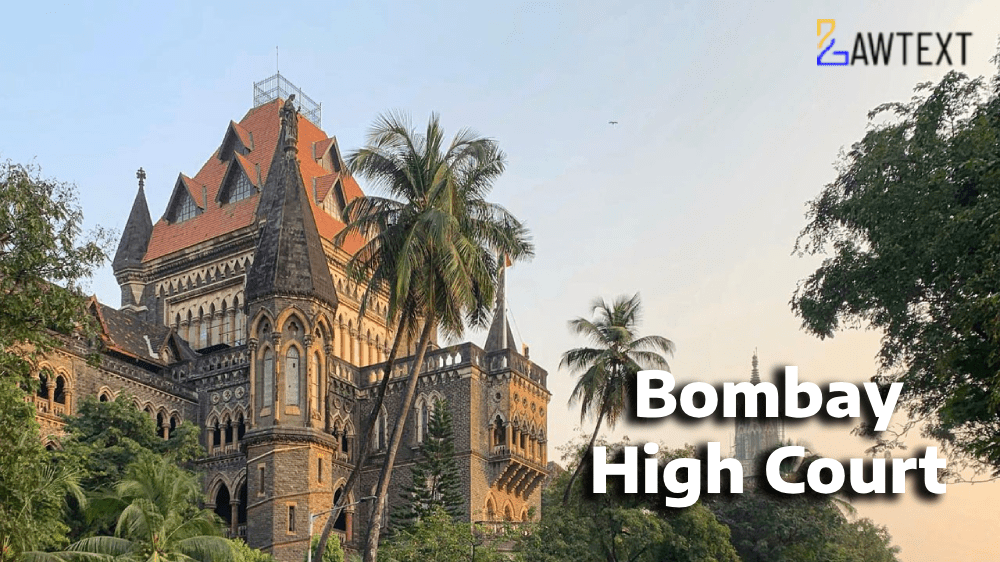
Bombay High Court Acquits Accused in Murder Case Due to Lack of Evidence on Identity of Deceased and Homicidal Death. Circumstantial Evidence of Last Seen, Recovery, and Motive Found Insufficient to Sustain Conviction Under Sections 302 and 201 IPC.

High Court: Bombay High Court Bench: GOA In Favour of Accused
  • 93
Judgement Image
Font size:
Print

Case Note & Summary

The appellant, Nazir Pathyekhanvar, was convicted by the Sessions Judge, South Goa at Margao for the murder of Shanul son of Shajaan Sharif under Section 302 IPC and for causing destruction of evidence under Section 201 IPC. The case was based on circumstantial evidence, including the last seen theory, recoveries under Section 27 of the Evidence Act, and motive. The appellant appealed against the conviction. The High Court of Bombay at Goa heard the appeal. The court examined the evidence and found that the identity of the deceased was not established, as the tawiz relied upon by PW5 was not seized and the stitch marks on the left hand were not found on the dead body. The medical evidence did not conclusively prove homicidal death. The last seen theory was not proved due to lack of reliable evidence. The recoveries under Section 27 were not voluntary and did not lead to discovery of any relevant fact. The motive was not proved beyond reasonable doubt. The court held that the circumstantial evidence was insufficient to sustain the conviction. The appeal was allowed, the conviction and sentence were set aside, and the appellant was acquitted.

Headnote

A) Criminal Law - Murder - Circumstantial Evidence - Identity of Deceased - The prosecution failed to establish the identity of the deceased as Shanul, as the tawiz relied upon by PW5 was not seized and stitch marks on the left hand were not found on the dead body - Held that in the absence of proof of identity, the charge of murder cannot be sustained (Paras 6, 10-12).

B) Criminal Law - Murder - Homicidal Death - Medical Evidence - The medical evidence did not conclusively prove that the death was homicidal, as the cause of death was not clearly established - Held that the prosecution must prove homicidal death beyond reasonable doubt (Paras 6, 13-15).

C) Criminal Law - Circumstantial Evidence - Last Seen Theory - The last seen theory was not proved as there was no reliable evidence of the appellant being last seen with the deceased shortly before the death - Held that last seen must be proximate in time and place to the occurrence (Paras 7, 16-18).

D) Criminal Law - Evidence Act, 1872 - Section 27 - Recovery - The recoveries under Section 27 were not voluntary and did not lead to discovery of any fact that could link the appellant to the crime - Held that recovery must be voluntary and the fact discovered must be relevant (Paras 7, 19-21).

E) Criminal Law - Murder - Motive - The prosecution failed to prove motive beyond reasonable doubt - Held that motive alone, without other corroborative evidence, is insufficient for conviction (Paras 7, 22-24).

Subscribe to unlock Headnote Subscribe Now

Issue of Consideration

Whether the conviction of the appellant under Sections 302 and 201 of the Indian Penal Code, 1860 based on circumstantial evidence is sustainable when the identity of the deceased and the homicidal nature of death are not established beyond reasonable doubt.

Subscribe to unlock Issue of Consideration Subscribe Now

Final Decision

Appeal allowed. Impugned judgment and order dated 20.01.2017 set aside. Appellant acquitted of all charges. Bail bonds cancelled.

Law Points

  • Circumstantial evidence must be complete and point only to guilt
  • Identity of deceased must be proved beyond reasonable doubt
  • Last seen theory requires proximity in time and place
  • Recovery under Section 27 Evidence Act must be voluntary and lead to discovery of fact
  • Motive alone is insufficient for conviction

Subscribe to unlock Law Points Subscribe Now

Case Details

2019:BHC-GOA:2554-DB

Criminal Appeal No. 63/2018

2019-09-06

M.S. Sonak, Nutan D. Sardessai

2019:BHC-GOA:2554-DB

Mr. K. Paulekar, Mr. S. R. Rivankar

Shri Nazir Pathyekhanvar

State of Goa

Subscribe to unlock Case Details (Citation, Judge, Date & more) Subscribe Now

Nature of Litigation

Criminal appeal against conviction for murder and destruction of evidence

Remedy Sought

Appellant sought acquittal by challenging the conviction and sentence

Filing Reason

Appellant was convicted for murder under Section 302 IPC and destruction of evidence under Section 201 IPC

Previous Decisions

Sessions Judge, South Goa at Margao convicted the appellant on 20.01.2017 in Sessions Case (302) No. 35 of 2015

Issues

Whether the identity of the deceased was proved beyond reasonable doubt? Whether the death was homicidal? Whether the circumstantial evidence (last seen, recovery, motive) was sufficient to convict the appellant?

Submissions/Arguments

Appellant argued that identity of dead body was not established, tawiz not attached, stitch marks not found on body. Appellant argued that there was no cogent evidence of homicidal death. Appellant argued that last seen theory, recoveries under Section 27, and motive were not proved beyond reasonable doubt. Appellant argued that circumstances were insufficient for conviction based on circumstantial evidence.

Ratio Decidendi

In a case based on circumstantial evidence, the prosecution must prove each circumstance beyond reasonable doubt and the chain of circumstances must be complete, pointing only to the guilt of the accused. Failure to establish the identity of the deceased and the homicidal nature of death renders the conviction unsustainable.

Judgment Excerpts

The charge framed against the appellant was that on or about 05.05.2015, in the afternoon at Newvada, Telegao, Sirvoi, Quepem Goa, the appellant committed murder by intentionally causing death of Shanul... Mr. Paulekar, the learned Counsel for the appellant submits that in the present case, the identity of the dead body has not at all been established. He submits that in the absence of any identification that the dead body was indeed that of Shanul, the charge could never be said to have been proved.

Procedural History

The appellant was charged and tried in Sessions Case (302) No. 35 of 2015 before the Sessions Judge, South Goa at Margao. The trial concluded with conviction on 20.01.2017. The appellant filed Criminal Appeal No. 63/2018 before the High Court of Bombay at Goa, which was heard and decided on 06.09.2019.

Acts & Sections

  • Indian Penal Code, 1860: 302, 201
  • Code of Criminal Procedure, 1973: 313
  • Indian Evidence Act, 1872: 27
Subscribe to unlock full Legal Analysis Subscribe Now
Related Judgement
High Court Bombay High Court Acquits Accused in Murder Case Due to Lack of Evidence on Identity of Deceased and Homicidal Death. Circumstantial Evidence of Last Seen, Recovery, and Motive Found Insufficient to Sustain Conviction Under Sections 302 and 201 IPC.
Related Judgement
Supreme Court Supreme Court Dismisses State Appeal Against Acquittal in Murder Case Due to Doubtful Identification and Lack of Evidence. The High Court's acquittal of accused No.2 was upheld as a plausible view based on contradictions in evidence and darkness at t...