Case Note & Summary
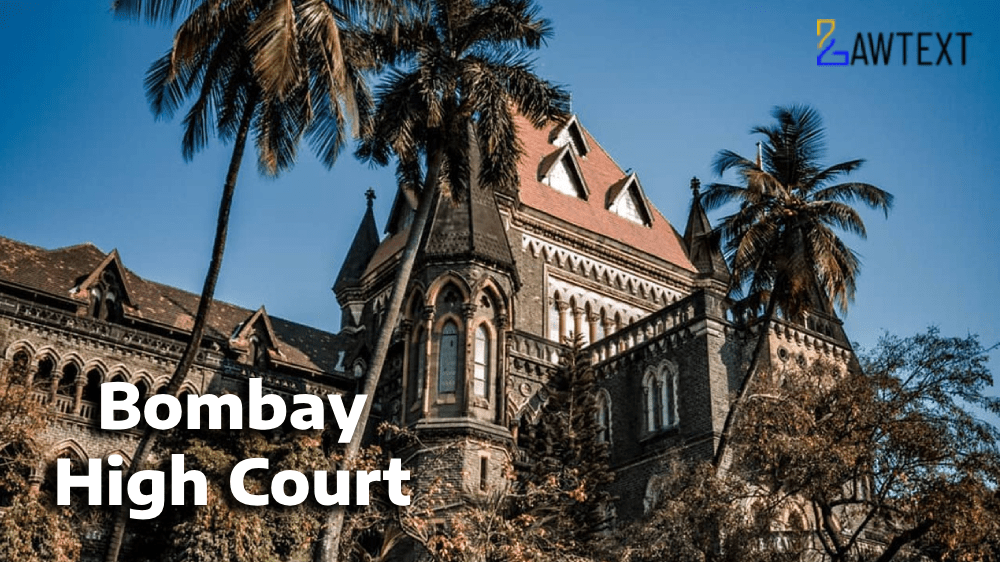
This Public Interest Litigation was filed by an advocate practicing at the Bombay High Court, seeking a writ of mandamus directing the State Government to provide a new building with modern infrastructure for the High Court’s principal seat at Mumbai, and to appoint a High Power Committee to oversee the project. The petitioner highlighted the acute space constraints in the existing heritage building constructed in 1878 and a later annex building over 60 years old. Originally designed for 6 to 7 courts, the premises now accommodate a sanctioned judge strength of 94, with approximately 35 judges sitting at Mumbai. The pendency of cases had doubled, and the number of staff and lawyers had increased manifold, rendering the facilities grossly inadequate. The State Government did not dispute the need for a new complex. Bar associations representing lawyers’ interests also accepted that the High Court must shift to larger, modern premises. During the proceedings, the Court noted earlier orders where it directed the State to consider land allotment in Bandra Kurla Complex or Kalina University’s vacant land, after rejecting a plot at Sewree due to unsuitability. The High Court Registry had communicated the approximate land requirement. The State was directed to place its decision before the Court. The judgment, as provided, recounts these developments and emphasizes the urgency of the situation, but the final operative directions are not included in the excerpt available.
Headnote
A) Public Interest Litigation - Court Infrastructure - State's Obligation to Provide Modern Court Complex - Constitution of India, 1950, Article 226 - The Principal Seat of Bombay High Court was housed in a 138-year-old heritage building and a 60-year-old annex, originally designed for a handful of courts but now with a sanctioned strength of 94 judges and around 35 judges sitting at Mumbai. Stakeholders including three historic Bar Associations accepted the need to shift to a larger, modern premises. Held that the State Government could not dispute this need and must act to provide suitable premises. (Paras 2-5) B) Land Allotment - High Court Complex - Directions for Consideration of Centrally Located Plots - Constitution of India, 1950, Article 226 - The State Government initially offered a plot at Sewree which was found unsuitable for various reasons. The Court directed the State to also consider allotment of sufficiently large land in Bandra Kurla Complex or vacant land of University of Mumbai at Kalina, emphasizing that a centrally located plot is necessary. Held that the State should place its decision on such proposals before the Court. (Paras 5)
Issue of Consideration
Whether the existing building of the Bombay High Court at Mumbai is inadequate and whether the State Government should be directed to allot land and construct a new High Court complex with modern facilities, and whether a High Power Committee should be appointed for its implementation.
Law Points
- Adequate court infrastructure is essential for the rule of law
- State has constitutional obligation to provide suitable premises for High Court
- consensus among stakeholders on need for modern court complex
- State cannot dispute the requirement for a new building