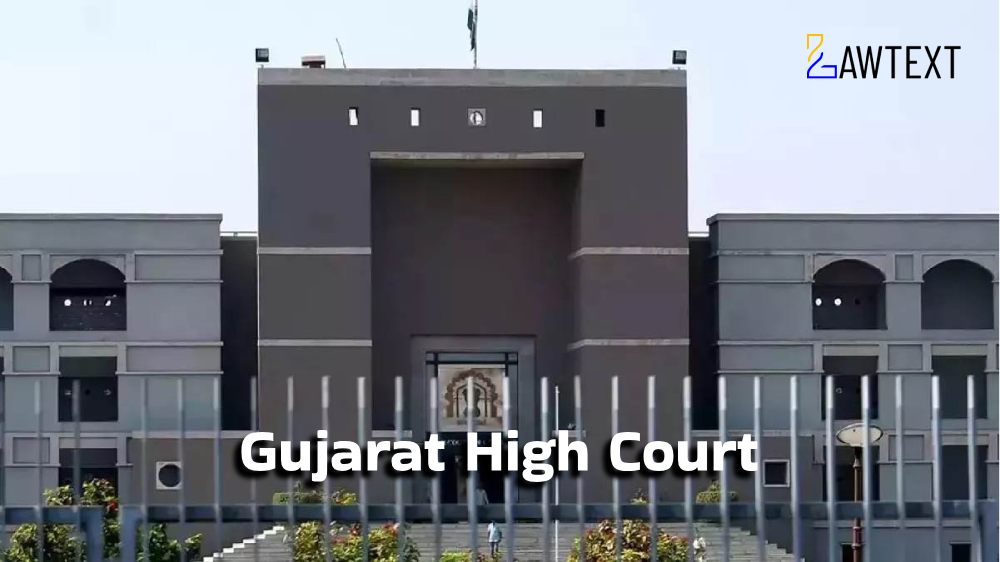
Case Note & Summary
The State of Maharashtra appealed against the judgment of the Special Judge at Thane acquitting the respondent, Rajendragiri Vikramgiri Gosavi, for offences under Sections 7, 13(2) read with 13(1)(d) of the Prevention of Corruption Act, 1988. The respondent was a clerk in the Tax Recovery Department of Thane Municipal Corporation. The complainant, Chandrakant Kamble, along with two others, had purchased rooms from Rambhau Vithoba Pote and approached the corporation for recording the property and levying tax. The respondent allegedly demanded Rs.500 per applicant (total Rs.1500) as bribe and Rs.120 per person as official charges. The complainant paid Rs.50 initially and later approached the Anti Corruption Department. A trap was laid on 12.5.1989, and the respondent accepted Rs.1500 bribe and Rs.360 official charges, which were found in his drawer. After investigation, sanction for prosecution was obtained, and the respondent was charged. The trial court acquitted the respondent, holding that the sanction was invalid and the evidence of demand was unreliable. The High Court upheld the acquittal, finding that the sanctioning authority had not applied its mind independently, and the complainant's testimony was contradictory and uncorroborated. The court held that the prosecution failed to prove the demand of bribe beyond reasonable doubt, and the acquittal did not warrant interference.
Headnote
A) Prevention of Corruption Act - Sanction for Prosecution - Section 19 - Mandatory Requirement - The court considered whether the sanction order was valid and found that the sanctioning authority had not applied its mind independently, rendering the sanction invalid - Held that absence of valid sanction vitiates the trial (Paras 4-6). B) Prevention of Corruption Act - Demand of Bribe - Sections 7 and 13(1)(d) - Proof of Demand - The court examined the evidence of demand and found the complainant's testimony unreliable due to contradictions and lack of corroboration - Held that demand of bribe must be proved beyond reasonable doubt for conviction (Paras 7-10). C) Criminal Law - Acquittal Appeal - Scope of Interference - The court reiterated that in an appeal against acquittal, the appellate court should not interfere unless the findings are perverse or unreasonable - Held that the trial court's acquittal was based on proper appreciation of evidence and did not warrant interference (Paras 11-12).
Issue of Consideration
Whether the acquittal of the respondent for offences under Sections 7, 13(2) read with 13(1)(d) of the Prevention of Corruption Act, 1988 was proper given the alleged lack of valid sanction and unreliable evidence of demand.
Final Decision
The High Court dismissed the appeal and upheld the acquittal of the respondent.
Law Points
- Sanction for prosecution under Section 19 of Prevention of Corruption Act
- 1988 is mandatory
- Proof of demand of bribe is essential for conviction under Sections 7 and 13(1)(d)
- Acquittal can be upheld if prosecution fails to prove demand beyond reasonable doubt