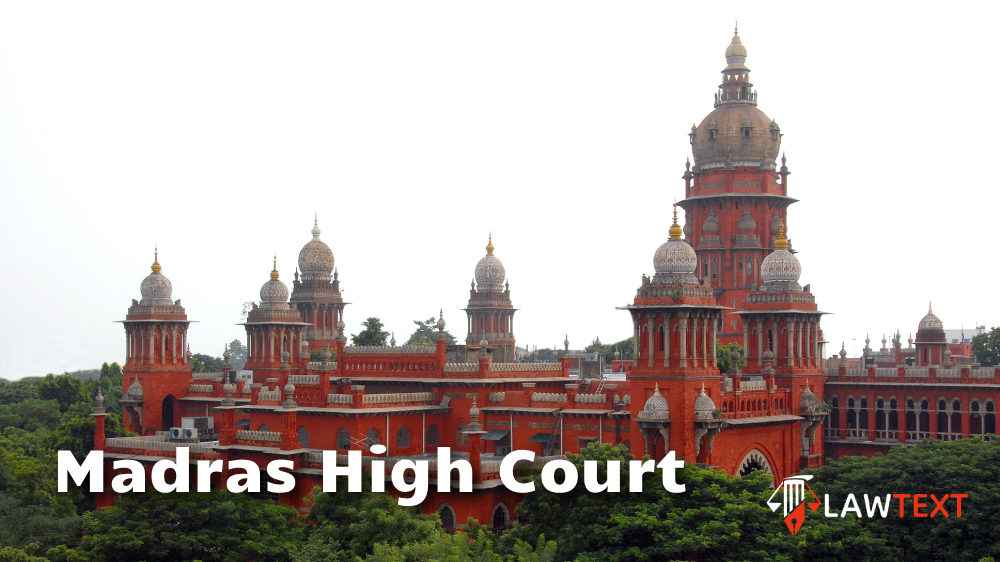
Bombay High Court Acquits Accused in Murder Case Due to Inconsistent Dying Declarations. Conviction under Section 302 IPC set aside as dying declarations lacked consistency and corroboration, failing to prove guilt beyond reasonable doubt.

High Court: Bombay High Court Bench: AURANGABAD In Favour of Accused
  • 18
Judgement Image
Font size:
Print

Case Note & Summary

The appellant, Nasib Osman Pathan, was convicted under Section 302 of the Indian Penal Code, 1860 for the murder of his wife, Seema, by setting her on fire. The prosecution's case relied heavily on two dying declarations made by Seema: one recorded by a police head constable on 13.01.2014 and another recorded by an Executive Magistrate on 14.01.2014. The deceased succumbed to her injuries on 17.01.2014. The appellant challenged his conviction on the ground that the dying declarations were inconsistent and unreliable. The High Court examined the two declarations and found material contradictions: in the first declaration, Seema stated that the incident occurred on 12.01.2014 at around 8:00 p.m., while in the second declaration, she stated it occurred on 13.01.2014 at 8:00 a.m. Additionally, the first declaration mentioned that her maternal aunt and uncle took her to the hospital, but the second declaration did not mention them. The court also noted that the medical officer who certified Seema's fitness to make the declaration was not examined, and there was no evidence that she was in a fit state of mind. The court held that the dying declarations were not consistent and did not inspire confidence. The court further observed that the prosecution failed to corroborate the declarations with other evidence, such as the panchnama or witness testimony. Consequently, the court allowed the appeal, set aside the conviction, and acquitted the appellant.

Headnote

A) Criminal Law - Dying Declaration - Reliability - Conviction under Section 302 IPC - The court examined whether the dying declarations recorded by the police and Executive Magistrate were consistent and reliable. The court found material contradictions between the two declarations regarding the time of the incident and the presence of others. The court held that when there are inconsistencies, the dying declaration must be corroborated by other evidence. (Paras 1-20)

B) Evidence Act - Dying Declaration - Section 32 Indian Evidence Act, 1872 - The court reiterated that a dying declaration can be the sole basis for conviction if it is free from doubt and inspires confidence. However, in this case, the declarations were not consistent and the medical evidence did not confirm that the deceased was in a fit state of mind to make the declaration. (Paras 15-20)

C) Criminal Procedure - Appeal against Conviction - The court allowed the appeal and set aside the conviction, holding that the prosecution failed to prove the case beyond reasonable doubt. (Para 21)

Subscribe to unlock Headnote Subscribe Now

Issue of Consideration

Whether the dying declarations of the deceased were reliable and sufficient to sustain a conviction under Section 302 IPC.

Subscribe to unlock Issue of Consideration Subscribe Now

Final Decision

Appeal allowed. Conviction set aside. Appellant acquitted.

Law Points

  • Dying declaration
  • Corroboration
  • Section 302 IPC
  • Section 32 Indian Evidence Act
  • 1872
  • Section 27 Indian Evidence Act
Subscribe to unlock Law Points Subscribe Now

Case Details

2023 LawText (BOM) (12) 8

Criminal Appeal No.805 of 2018

2023-12-19

Smt. Vibha Kankanwadi, Abhay S. Waghwase

2023:BHC-AUG:26760-DB

Ms. Anuradha S. Mantri (for appellant), Mrs. Uma S. Bhosale (APP for respondent)

Nasib Osman Pathan

The State of Maharashtra

Subscribe to unlock Case Details (Citation, Judge, Date & more) Subscribe Now

Nature of Litigation

Criminal appeal against conviction for murder under Section 302 IPC.

Remedy Sought

Appellant sought acquittal by challenging the conviction and sentence.

Filing Reason

Appellant was convicted for murdering his wife by setting her on fire.

Previous Decisions

Trial court convicted the appellant under Section 302 IPC on 12.12.2017.

Issues

Whether the dying declarations are reliable and consistent. Whether the conviction under Section 302 IPC is sustainable.

Submissions/Arguments

Appellant argued that the dying declarations are inconsistent and unreliable. Respondent argued that the dying declarations are consistent and sufficient for conviction.

Ratio Decidendi

A dying declaration must be consistent and inspire confidence to be the sole basis for conviction. Inconsistencies between multiple dying declarations and lack of corroboration render them unreliable, and the prosecution must prove guilt beyond reasonable doubt.

Judgment Excerpts

Present appeal has been filed by the original accused challenging his conviction by learned Additional Sessions Judge, Aurangabad in Sessions Case No.148/2014, thereby convicting him for the offence punishable under Section 302 of the Indian Penal Code, 1860 on 12.12.2017. The said statement of deceased Seema was treated as First Information Report and offence vide Crime No.8/2014 was registered under Section 307, 498-A of the Indian Penal Code.

Procedural History

The appellant was convicted by the Additional Sessions Judge, Aurangabad on 12.12.2017 in Sessions Case No.148/2014 for offence under Section 302 IPC. He appealed to the High Court. The High Court reserved judgment on 07.12.2023 and pronounced on 19.12.2023.

Acts & Sections

  • Indian Penal Code, 1860: 302, 307, 498-A
  • Indian Evidence Act, 1872: 27, 32
Subscribe to unlock full Legal Analysis Subscribe Now
Related Judgement
High Court Bombay High Court Acquits Accused in Murder Case Due to Inconsistent Dying Declarations. Conviction under Section 302 IPC set aside as dying declarations lacked consistency and corroboration, failing to prove guilt beyond reasonable doubt.
Related Judgement
High Court Madras High Court Adjudicates Cross-Petitions for Rectification of Trade Mark Register Under Sections 47, 57, and 125 of Trade Marks Act, 1999. Dispute Involves Competing Claims for Removal of Respective Registered Marks in Class 9.