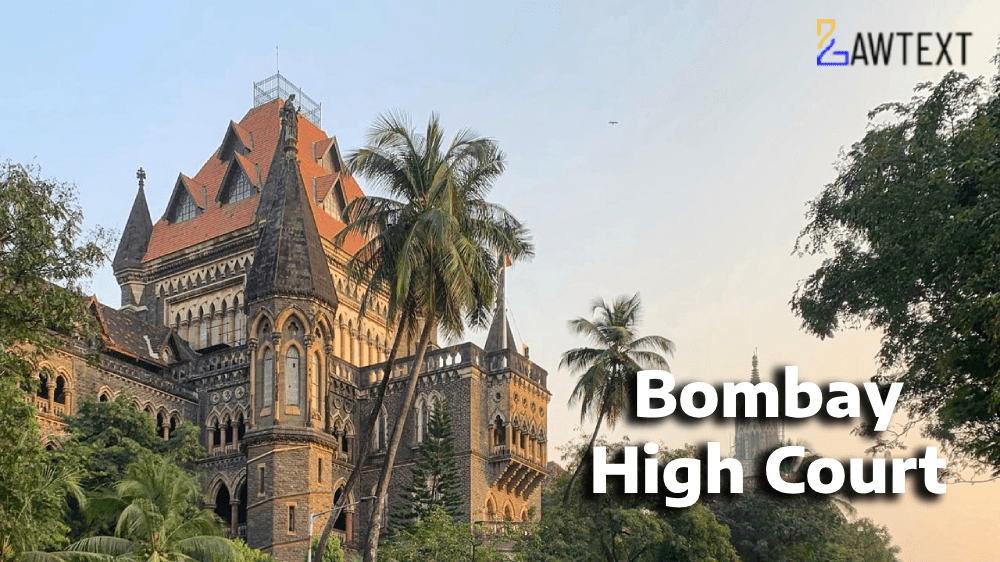
Bombay High Court Acquits Convict in Murder Case Due to Unreliable Dying Declarations. Inconsistent dying declarations and lack of corroboration led to acquittal under Section 302 IPC.

High Court: Bombay High Court Bench: AURANGABAD In Favour of Accused
  • 6
Judgement Image
Font size:
Print

Case Note & Summary

The appellant, Baban Dadusrao Pakhare, was convicted by the Additional Sessions Judge, Jalna, for the murder of his wife Meerabai under Section 302 IPC and sentenced to life imprisonment. The case was based on two dying declarations made by Meerabai on 25.12.2014, alleging that the appellant poured kerosene on her and set her ablaze after she asked him to help with cooking. She succumbed to 63% burns. The appellant appealed against the conviction. The Bombay High Court examined the dying declarations and found them inconsistent and not voluntary. The first declaration recorded by the Executive Magistrate implicated the appellant, but the second declaration recorded by the police was vague and did not clearly state the appellant's role. The court noted that the prosecution failed to prove the motive and the exact circumstances of the incident. The medical evidence did not conclusively establish homicidal death. The court held that a dying declaration must be voluntary, consistent, and inspire confidence to be the sole basis for conviction. Since the dying declarations were unreliable and lacked corroboration, the court set aside the conviction and acquitted the appellant, giving him the benefit of doubt.

Headnote

A) Criminal Law - Dying Declaration - Voluntariness and Consistency - Section 302 IPC - Two dying declarations were recorded, one before the Executive Magistrate and another before the Police, which were inconsistent regarding the role of the appellant - The court held that a dying declaration must be voluntary, consistent, and inspire confidence; otherwise, it cannot be the sole basis for conviction (Paras 10-15).

B) Criminal Law - Homicidal Burns - Proof of Guilt - Section 302 IPC - The prosecution failed to establish the motive and the exact sequence of events leading to the burns - The medical evidence showed 63% burns but did not conclusively prove homicidal death - The court held that in the absence of reliable dying declarations and corroborative evidence, the benefit of doubt must be given to the accused (Paras 16-20).

Subscribe to unlock Headnote Subscribe Now

Issue of Consideration

Whether the conviction of the appellant under Section 302 IPC based on dying declarations is sustainable when the dying declarations are inconsistent and not voluntary.

Subscribe to unlock Issue of Consideration Subscribe Now

Final Decision

Appeal allowed. Conviction and sentence set aside. Appellant acquitted of all charges.

Law Points

  • Dying declaration
  • voluntariness
  • consistency
  • corroboration
  • Section 302 IPC
  • Section 304B IPC
  • Section 498A IPC
Subscribe to unlock Law Points Subscribe Now

Case Details

2023 LawText (BOM) (07) 24

Criminal Appeal No. 445 of 2016

2023-07-27

Smt. Vibha Kankanwadi, Abhay S. Waghwase

2023:BHC-AUG:16229-DB

Mr. Nikhil S. Tekale (for appellant), Mr. S. D. Ghayal (APP for State)

Baban Dadusrao Pakhare

The State of Maharashtra

Subscribe to unlock Case Details (Citation, Judge, Date & more) Subscribe Now

Nature of Litigation

Criminal appeal against conviction for murder under Section 302 IPC.

Remedy Sought

Appellant sought acquittal by setting aside the conviction and sentence.

Filing Reason

Appellant was convicted for murder of his wife based on dying declarations which he challenged as unreliable.

Previous Decisions

Trial court convicted appellant on 14.06.2016 in Sessions Case No. 62 of 2015.

Issues

Whether the dying declarations are voluntary and reliable? Whether the conviction under Section 302 IPC is sustainable?

Submissions/Arguments

Appellant argued that dying declarations are not voluntary and consistent, and prosecution failed to prove motive. State argued that dying declarations are credible and sufficient for conviction.

Ratio Decidendi

A dying declaration must be voluntary, consistent, and inspire confidence to be the sole basis for conviction. Inconsistent and unreliable dying declarations cannot sustain a conviction under Section 302 IPC.

Judgment Excerpts

As a result of conviction recorded by learned Additional Sessions Judge, Jalna on 14.06.2016 for the offence punishable under Section 302 of the Indian Penal Code [IPC] in Sessions Case No. 62 of 2015, the appellant-convict has preferred the instant appeal. Crime was registered on the basis of dying declaration given by Meerabai on 25.12.2014, wherein she has alleged that she was married to appellant husband 10 years back.

Procedural History

Crime registered on 25.12.2014 based on dying declaration. Investigation by PW11 PSI Sunil Gopinwar. Chargesheet filed. Trial before Additional Sessions Judge, Jalna. Conviction on 14.06.2016. Appeal filed in High Court.

Acts & Sections

  • Indian Penal Code, 1860 (IPC): 302
Subscribe to unlock full Legal Analysis Subscribe Now
Related Judgement
High Court Bombay High Court Acquits Convict in Murder Case Due to Unreliable Dying Declarations. Inconsistent dying declarations and lack of corroboration led to acquittal under Section 302 IPC.
Related Judgement
High Court Bombay High Court Partly Allows Petition Challenging Dismissal of Complaint Against Police Patil for Violation of Small Family Norms — Matter Remanded for Fresh Consideration in Light of Applicability of Maharashtra Civil Services (Declaration of S...