Case Note & Summary
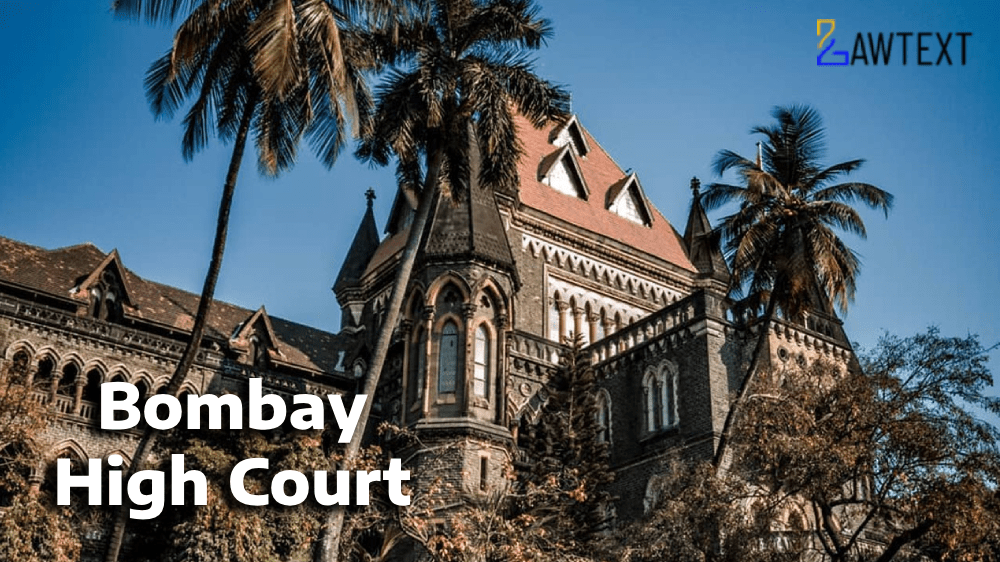
The Bombay High Court, constituted as a larger bench, was seized of a reference made by a Division Bench owing to irreconcilable conflict in precedents regarding the nature of an order on a temporary injunction application and the consequent scope of an appeal against such order. The underlying dispute involved a suit for infringement of copyright and passing-off filed by the appellants, Dutch producers of spirits and liquors, against the respondent, an Indian manufacturer. The parties had entered into a license agreement in 1983 permitting the respondent to use the trademarks 'Mansion House' and 'Savoy Club'. Alleging dishonest trademark applications by the respondent, the appellants sought interim injunction, which the trial court rejected on 22 December 2011. In appeal, the Division Bench observed that there were two competing views: one line of authority, stemming from Colgate Palmolive Company and Wander Limited, held that an order on a temporary injunction is an exercise of discretion, so the appellate court's interference is limited to cases of perversity or arbitrary exercise. The other view, expressed in Parksons Cartamundi and Goldmines Telefilms, characterized such orders as prima facie adjudication, permitting a full-fledged appeal where the appellate court could re-appreciate facts and substitute its own conclusions. This conflict was of recurring importance, as it determined the standard of review in every appeal from an interim injunction order. The Division Bench formulated two questions of law: (1) which set of decisions correctly states the law, and (2) what is the true scope and ambit of an appeal from an order on an interlocutory application for injunction. The larger bench heard submissions from both sides: the appellants urged that the order involves prima facie adjudication, thus the appellate court may examine all aspects; the respondents emphasized the discretionary nature of the remedy and the need for limited interference. The Court analyzed the trinity test for injunctions—prima facie case, balance of convenience, irreparable injury—and discussed the meaning of 'prima facie case' drawing from the American Cynamid case, which held that the court at the interlocutory stage should only consider whether there is a serious question to be tried, not decide the merits. Ultimately, the larger bench did not decide the questions on merit but confirmed the need for reference and directed that the matter be placed before a larger bench for authoritative resolution of the conflicting views.
Headnote
A) Civil Procedure - Temporary Injunctions - Scope of Appeal from Interim Order - Code of Civil Procedure, 1908, Order 39 Rules 1 & 2, Order 43 Rule 1 - The High Court noted irreconcilable conflict between two lines of Division Bench decisions: one holding that an order on a temporary injunction is an exercise of discretion (Colgate Palmolive) and the other holding it is a prima facie adjudication (Parksons Cartamundi, Goldmines Telefilms). This divergence determines whether the appellate court can only interfere if the order is perverse or can substitute its own findings. To resolve the conflict, the Court referred the matter to a larger bench for authoritative determination of the correct legal position and the scope of appeal under Order 43 Rule 1. Held, matter referred to larger bench (Paras 1, 5).
Issue of Consideration
Q.1 Which of the decisions rendered in Colgate Palmolive Vs. Anchor Health and Beauty Care Pvt. Ltd. (supra) holding that an order passed on the application for temporary injunction does not cease to be an order passed in discretion merely because the Trial Judge does not find any prima facie case or the decision in Parksons Cartamundi Pvt. Ltd. Vs. Suresh Kumar Jasraj Burad (supra) and Goldmines Telefilms Pvt. Ltd. Vs. Reliance Big Entertainment Pvt. Ltd. & Ors. (supra), where it has been held that the order passed on the application for temporary injunction is prima facie adjudication and not an exercise of discretion sets out the correct law? Q.2 What is the scope and ambit of an appeal from an order passed by the trial Judge on an interlocutory application pending the disposal of the suit?
Final Decision
The Division Bench referred the matter to a larger bench to resolve the conflicting views and answer the two questions of law.
Law Points
- Legal points not extracted
- trinity test for injunction: prima facie case
- balance of convenience
- irreparable injury
- scope of appeal from discretionary orders
- whether order on temporary injunction is prima facie adjudication or exercise of discretion
- American Cynamid test for prima facie case
- court's function at interlocutory stage is not to decide merits but to consider serious question to be tried