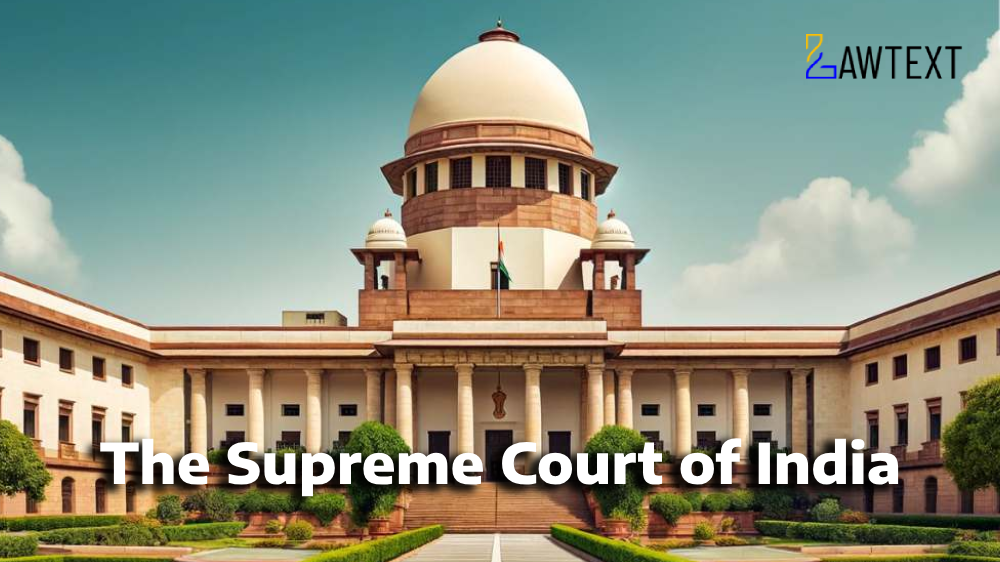
Case Note & Summary
The dispute arose from reversion orders passed by the State of Punjab against state civil service officers who had been promoted to officiate in cadre and ex-cadre posts of the Indian Administrative Service. The appellants, including G. S. Gill and others, had been appointed to senior duty posts and cadre posts in 1963 and 1964. They challenged the reversion orders before the Punjab and Haryana High Court under Articles 226 and 227 of the Constitution, contending that the reversions were punitive and required compliance with Article 311. The High Court dismissed the writ petition, holding that the reversions did not attract Article 311 because the appellants held the higher posts only in an officiating capacity. The appellants then appealed to the Supreme Court by certificate. The appellants argued that their names were included in the Select List prepared under Regulation 4 of the Indian Administrative Service (Appointment by Promotion) Regulations, 1955, and that they had acquired a right to be appointed to the cadre and ex-cadre posts. They contended that some appointment orders did not expressly mention officiating capacity, so the appointments should be deemed substantive, and that regular officiating appointments differ from stop-gap arrangements. The respondents, the State of Punjab and the Union of India, denied that the appointments were substantive and maintained that all appointments were made under Rule 9 of the Indian Administrative Service (Cadre) Rules, 1954 or were temporary appointments to ex-cadre posts under the second proviso to Rule 4(2), and that the appellants had retained their lien in the State Civil Service, proving their officiating status. The Supreme Court examined the relevant provisions. It noted that appointments to cadre posts under Rule 9 of the Indian Administrative Service (Cadre) Rules could only be in an officiating capacity. For ex-cadre posts created under the second proviso to Rule 4(2), the appointments were necessarily temporary. The court also observed that the appellants themselves admitted retaining lien in their State Civil Service posts, which clearly indicated that they were not substantively appointed to the senior duty posts. Relying on Parshotam Lal Dhingra v. Union of India and other precedents, the court reiterated that a person gets a right to a post only when substantively appointed, and reversion from an officiating post without stigma does not amount to dismissal or removal under Article 311. The court found no allegation of stigma in the reversion orders. Accordingly, the Supreme Court held that Article 311 was not attracted and dismissed the appeal, upholding the High Court's decision.
Headnote
A) Service Law - Reversion from officiating post - Applicability of Article 311 - Constitution of India, Article 311; Fundamental Rule 9(19) - The appellants were appointed to IAS cadre and ex-cadre posts in officiating capacity and later reverted to their substantive posts in State Civil Service. The court held that unless a person has a right to a post, reversion from that post cannot amount to dismissal or removal, and a right to a post arises only upon substantive appointment. Since the appellants had no substantive right to the higher posts and no stigma was alleged, Article 311 was not attracted. Held that reversion without stigma from an officiating post does not violate Article 311. (588 G-589 A) B) Service Law - Nature of appointment under IAS (Cadre) Rules - Rule 9 of Indian Administrative Service (Cadre) Rules, 1954 - Appointments of some appellants to cadre posts in the Indian Administrative Service were made under Rule 9, which permits temporary filling of cadre posts by non-cadre officers. The court reasoned that such appointments could not have been made in any capacity other than officiating. Held that appointments under Rule 9 are necessarily officiating and do not confer substantive right. (587 H-588 A) C) Service Law - Ex-cadre posts and temporary appointments - Second proviso to Rule 4(2) of Indian Administrative Service (Cadre) Rules, 1954 - Ex-cadre posts created by the State Government under the second proviso are temporary in nature, with a maximum permissible period not exceeding three years. The court held that appointments to such posts must be temporary and do not create substantive right. Even though appointment orders did not expressly state officiating capacity, retention of lien in State Civil Service by appellants 2,4,6-12 showed they were not substantively appointed. Held that retention of lien negates substantive appointment. (588 B-C, D-E) D) Service Law - Lien and substantive appointment - Fundamental Rule 9(19) - The court explained that a government servant officiates when another holds a lien on the post, or when appointed to a vacant post on which no other holds a lien. Substantive appointment is the only basis for acquiring a right to a post. Since the appellants retained their lien in State Civil Service, they were only officiating in the higher posts. Held that without substantive appointment, reversion does not attract Article 311. (588 D-E, 589 A)
Issue of Consideration
Whether reversion of State Civil Service officers from IAS cadre and ex-cadre posts held in officiating capacity to their substantive posts attracts Article 311 of the Constitution of India.
Final Decision
Appeal dismissed; the order of the Punjab and Haryana High Court was upheld. The reversion orders were not punitive and did not attract Article 311 of the Constitution because the appellants had no substantive right to the posts from which they were reverted.
Law Points
- Unless a person has a right to a post
- an order of reversion from that post cannot amount to dismissal or removal within the meaning of Article 311
- a person gets a right to a post only when he is substantively appointed to it
- appointments under Rule 9 of Indian Administrative Service (Cadre) Rules
- 1954 are necessarily officiating
- temporary appointments to ex-cadre posts under second proviso to Rule 4(2) of Indian Administrative Service (Cadre) Rules
- 1954 do not confer substantive right
- retention of lien in lower post indicates officiating capacity
- reversion without stigma is not punitive and does not attract Article 311