Case Note & Summary
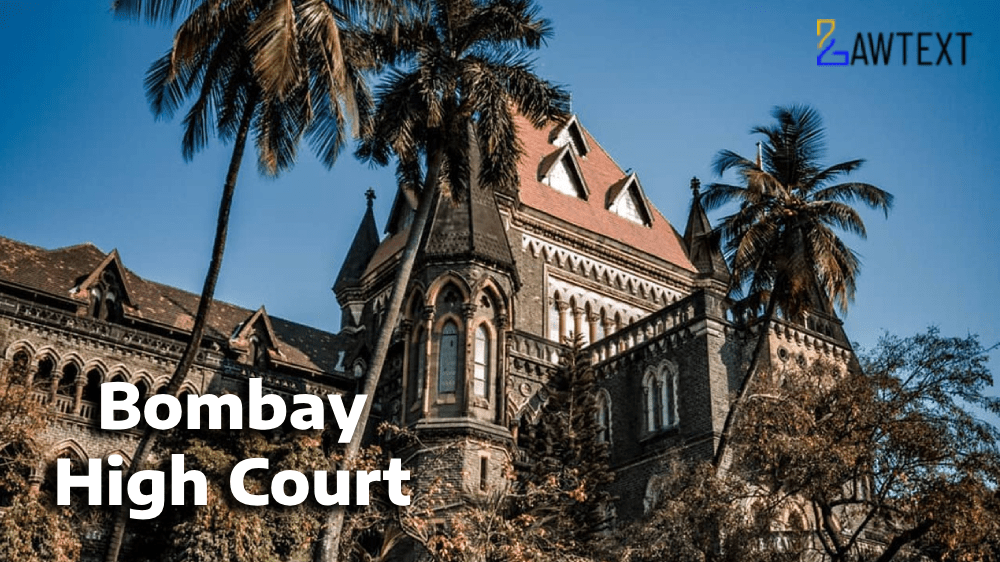
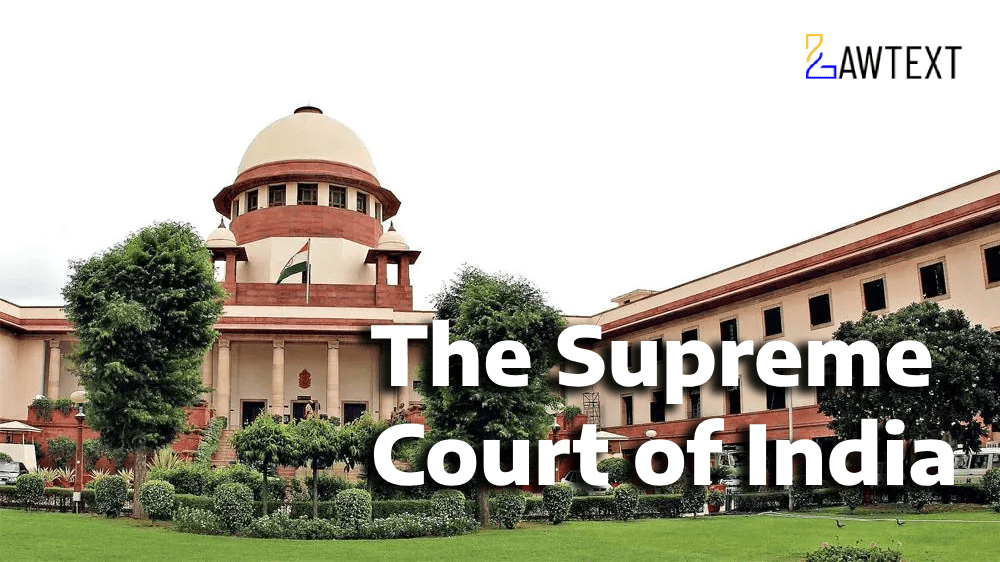
The Supreme Court of India heard appeals by special leave filed by the Union of India against certain portions of two orders passed by the Patna High Court on November 13, 1996 and December 19, 1996 in CWJC No. 1617 of 1996 with CWJC No. 602 of 1996. These orders were passed in the context of monitoring a CBI investigation. The Supreme Court's earlier order dated November 5, 1996 in Civil Appeal Nos. 14164-65 of 1996 had directed that in case of difference of opinion among CBI officers during investigation, the final decision would not be taken by the Director CBI but by the Attorney General on reference. In subsequent proceedings, the High Court issued directions which the appellants contended were beyond the scope of monitoring. The High Court had directed the Director CBI to submit complete reports so that the court could determine if a difference of opinion needed reference to the Attorney General; had required the personal presence of the Director CBI; had made observations that the conspiracy angle had not been investigated and that materials constituted a prima facie case; had directed submission of the original report along with the Director's comments; and had suggested considering posting officers not belonging to the Bihar cadre. The Supreme Court examined the nature of such proceedings and held that they were in the nature of 'continuing mandamus' to ensure performance of statutory duty by the CBI and other government agencies in accordance with law. The court emphasized that in these proceedings, the court is not required to go into the merits of the accusation or express any opinion thereon, as that would prejudice the accused at trial. The court relied on the principle from Abhinandan Jha v. Dinesh Mishra that under the Code of Criminal Procedure, the formation of opinion as to whether there is a case to place the accused for trial is exclusively that of the police officer making the investigation, and the final step in investigation is to be taken only by the police. The Supreme Court also quoted Lord Denning in R. v. Metropolitan Police Commissioner that the police are answerable to the law alone. Applying these principles, the Supreme Court clarified that the High Court should only ensure that the Director CBI does not close any investigation based solely on his individual opinion when there is a difference of opinion; such a matter must be referred to the Attorney General for an opinion which would govern further action. The direction in Portion A of the High Court order was modified accordingly. As to Portion B regarding personal presence of the Director CBI, the court observed that his presence may be required only when essential, but he must ensure proper representation. The court held that the observations in Portions D and F of the High Court orders, regarding the conspiracy angle and the existence of a prima facie case, did not conform to the monitoring process and could be construed as expression of opinion on merits, and were therefore impermissible. Portion C, directing submission of the original report along with the Director's comments, was considered unnecessary. Portion E, suggesting avoidance of Bihar cadre officers, was construed as a suggestion without casting aspersion on such officers. The Supreme Court reiterated that the High Court should follow the procedure similar to the writ petitions in Vineet Narain and Anukul Chandra Pradhan pending before the Supreme Court. The appeals were disposed of accordingly with these clarifications and modifications.
Headnote
A) Criminal Law - Investigation by CBI - Continuing Mandamus - Constitution of India - The monitoring of investigation by High Court is in nature of continuing mandamus to ensure performance of statutory duty by CBI; court cannot go into merits of accusations. Held that observations on merits are impermissible. (Paras not mentioned) B) Criminal Law - Police Power to Investigate - Final Report - Code of Criminal Procedure, 1973 - Exclusive authority of police officer to form opinion whether to place accused for trial; no other authority can direct. Supreme Court relied on Abhinandan Jha. (Paras not mentioned) C) Criminal Law - Difference of Opinion in Investigation - Attorney General Reference - Earlier order of Supreme Court dated 05.11.1996 - In case of difference among CBI officers, Director CBI must refer to Attorney General, not decide individually; High Court's direction for submission of reports modified. (Paras not mentioned) D) Criminal Law - High Court Monitoring - Personal Presence of Director CBI - Court should require presence only when essential; Director must ensure proper representation. (Paras not mentioned) E) Criminal Law - High Court Observations on Merits - Prohibition - High Court observations on conspiracy angle and prima facie case set aside as not conforming to monitoring process. (Paras not mentioned) F) Criminal Law - Suggestion Regarding Investigating Officers - Avoid Local Bias - High Court suggestion to Director CBI to consider non-Bihar cadre officers construed as suggestion, not aspersion. (Paras not mentioned) G) Criminal Law - Similar Pending Proceedings - Vineet Narain and Anukul Chandra Pradhan - Supreme Court directed High Court to follow procedure similar to those writ petitions. (Paras not mentioned)
Issue of Consideration
Whether the Patna High Court orders dated November 13, 1996 and December 19, 1996 exceeded the permissible scope of monitoring CBI investigation and were consistent with the Supreme Court's earlier order dated November 5, 1996.
Final Decision
The Supreme Court allowed the appeals to the extent of clarifying the scope of the High Court's monitoring jurisdiction. It held that the High Court must ensure that the Director CBI does not close any investigation based solely on his individual opinion when there is a difference of opinion; such matters must be referred to the Attorney General for opinion which would govern further action. Personal presence of Director CBI required only when essential, but he must ensure proper representation. Observations of the High Court on merits of accusations (conspiracy angle and prima facie case) were set aside as not conforming to the monitoring process. Direction for submission of original report and comments was deemed unnecessary. The suggestion regarding Bihar cadre officers was construed as a suggestion, not an aspersion. The High Court was directed to follow the procedure similar to Vineet Narain and Anukul Chandra Pradhan writ petitions pending before the Supreme Court.
Law Points
- Continuing mandamus
- police exclusive authority to form opinion under CrPC
- reference of difference of opinion to Attorney General
- prohibition on expression of opinion on merits by monitoring court