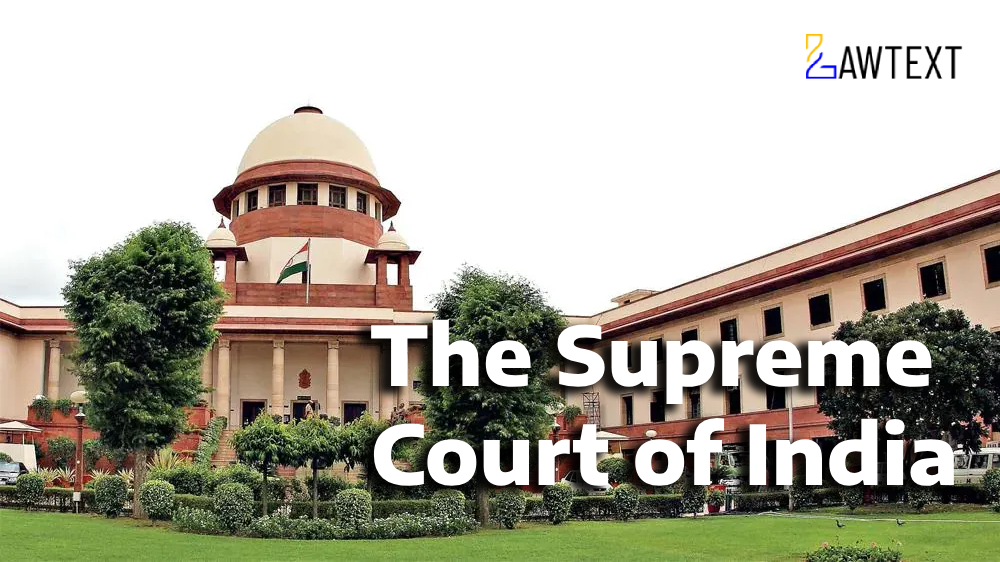
Supreme Court Acquits Accused in NDPS Case Due to Non-Compliance with Section 52A and Unreliable Evidence. Conviction under Section 8(b) read with Section 15(c) of NDPS Act set aside as prosecution failed to prove contraband identity and sampling procedure.

  • 330
Judgement Image
Font size:
Print

Case Note & Summary

The appellant, Mangilal, was convicted under Section 8(b) read with Section 15(c) of the Narcotic Drugs and Psychotropic Substances Act, 1985 (NDPS Act) by the Additional Sessions Judge, Special Court NDPS, Jaora, District Ratlam, Madhya Pradesh, and sentenced to 10 years rigorous imprisonment. The conviction was confirmed by the High Court of Madhya Pradesh. The case arose from a telephonic information received by Assistant Sub Inspector H.S. Sengar on 20.05.2010 that the appellant and co-accused Mathuralal (since deceased) were supplying poppy straw. The police stopped a tractor, seized bags containing contraband, and registered an FIR under Sections 8(b), 15(c), 25, and 29 of the NDPS Act. During trial, 16 prosecution witnesses were examined, but four public witnesses (P.W.2, P.W.3, P.W.4, P.W.6) turned hostile, including two panch witnesses. P.W.5 deposed that the narcotic substance was at the police station before the alleged occurrence, and this testimony was not challenged. The trial court and High Court relied on the FSL report and police witnesses to convict the appellant. The Supreme Court examined the scope of Section 52A of the NDPS Act, which mandates that samples be drawn in the presence of a Magistrate and the inventory be certified. The Court found that the prosecution failed to comply with Section 52A, as no application was made to the Magistrate for certifying the inventory or drawing samples. Consequently, the FSL report was inadmissible. Additionally, the prosecution's case relied heavily on hostile witnesses and police witnesses, which was insufficient to prove guilt beyond reasonable doubt. The Court held that the conviction was unsustainable and set aside the judgment of the High Court, acquitting the appellant.

Headnote

A) Narcotic Drugs - Sampling Procedure - Section 52A NDPS Act - Mandatory Compliance - The prosecution must follow the procedure under Section 52A for drawing samples from seized contraband in the presence of a Magistrate, failing which the FSL report becomes inadmissible. The Court held that non-compliance with Section 52A vitiates the sampling process and the conviction cannot be sustained (Paras 4-8).

B) Evidence - Hostile Witnesses - Conviction Based on Hostile Witnesses - The prosecution cannot rely on hostile witnesses who have turned hostile and whose testimony is not corroborated by independent evidence. The Court held that the conviction based solely on police witnesses and hostile witnesses is unsafe (Paras 3, 9).

C) Narcotic Drugs - Burden of Proof - Benefit of Doubt - The prosecution must prove its case beyond reasonable doubt. When the sampling procedure is not followed and the evidence is unreliable, the accused is entitled to the benefit of doubt. The Court held that the appellant deserves acquittal (Paras 9-10).

Subscribe to unlock Headnote Subscribe Now

Issue of Consideration

Whether the conviction under Section 8(b) read with Section 15(c) of the NDPS Act is sustainable when the prosecution failed to comply with Section 52A of the NDPS Act and relied on unreliable evidence including hostile witnesses and police witnesses.

Subscribe to unlock Issue of Consideration Subscribe Now

Final Decision

The Supreme Court allowed the appeal, set aside the judgment of the High Court of Madhya Pradesh, and acquitted the appellant of all charges. The appellant was directed to be released forthwith unless required in any other case.

Law Points

  • Section 52A NDPS Act mandatory for drawing samples
  • hostile witnesses cannot be sole basis for conviction
  • FSL report inadmissible without proper sampling procedure
  • benefit of doubt to accused
Subscribe to unlock Law Points Subscribe Now

Case Details

2023 INSC 634

Criminal Appeal No. 1651 of 2023

2023-01-01

M.M. Sundresh, J.

2023 INSC 634

Mangilal

The State of Madhya Pradesh

Subscribe to unlock Case Details (Citation, Judge, Date & more) Subscribe Now

Nature of Litigation

Criminal appeal against conviction under NDPS Act

Remedy Sought

Appellant sought acquittal from conviction and sentence under Section 8(b) read with Section 15(c) of NDPS Act

Filing Reason

Appellant was convicted and sentenced to 10 years rigorous imprisonment by trial court, confirmed by High Court; appeal filed challenging the conviction

Previous Decisions

Trial court convicted appellant; High Court of Madhya Pradesh confirmed conviction

Issues

Whether the conviction is sustainable when the prosecution failed to comply with Section 52A of the NDPS Act regarding sampling procedure? Whether the conviction can be based on hostile witnesses and police witnesses without independent corroboration?

Submissions/Arguments

Appellant argued that the prosecution did not follow the mandatory procedure under Section 52A of NDPS Act for drawing samples, making the FSL report inadmissible. Appellant contended that the prosecution witnesses turned hostile and the evidence of police witnesses was unreliable, thus the conviction was unsafe.

Ratio Decidendi

The prosecution must strictly comply with Section 52A of the NDPS Act for drawing samples from seized contraband in the presence of a Magistrate. Non-compliance renders the FSL report inadmissible. Conviction cannot be based solely on hostile witnesses and police witnesses without independent corroboration. The accused is entitled to the benefit of doubt.

Judgment Excerpts

Section 52A of the NDPS Act mandates that samples be drawn in the presence of a Magistrate and the inventory be certified. The prosecution failed to comply with Section 52A, as no application was made to the Magistrate for certifying the inventory or drawing samples. The FSL report is inadmissible due to non-compliance with Section 52A. The conviction based on hostile witnesses and police witnesses is unsustainable.

Procedural History

The appellant was convicted by the Additional Sessions Judge, Special Court NDPS, Jaora, District Ratlam, Madhya Pradesh, and sentenced to 10 years rigorous imprisonment. The High Court of Madhya Pradesh confirmed the conviction. The appellant then filed the present appeal before the Supreme Court.

Acts & Sections

  • Narcotic Drugs and Psychotropic Substances Act, 1985: 8(b), 15(c), 25, 29, 50, 52A, 53
Subscribe to unlock full Legal Analysis Subscribe Now
Related Judgement
High Court High Court of Karnataka Quashes FIR in IT Act Case for Lack of Sanction — Section 66E of Information Technology Act, 2000 Requires Previous Sanction Under Section 196A Cr.P.C. for Prosecution of Non-Cognizable Offence. FIR registered without previo...
Related Judgement
High Court Gujarat High Court Dismisses State Appeal Against Acquittal in Godhra Riots Case — Prosecution Fails to Prove Identity of Accused Beyond Reasonable Doubt. Acquittal of 9 Accused for Offences Including Murder and Arson Under Indian Penal Code Upheld...