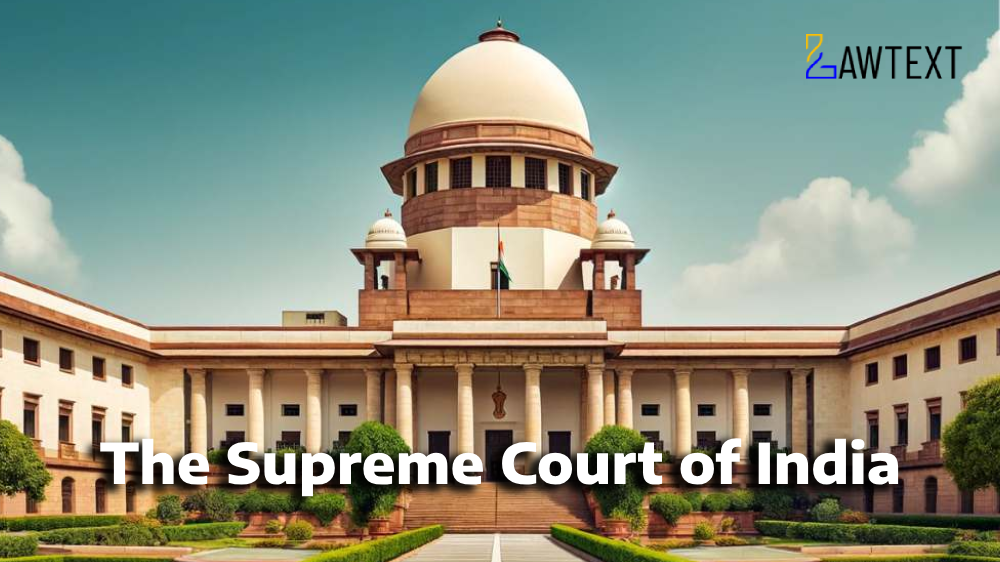
Supreme Court Upholds Employee's Reinstatement in Industrial Disputes Act Case — Clarifies Designation. The court found that the termination of the employee's services constituted retrenchment under Section 25F of the Industrial Disputes Act, 1947, and clarified that reinstatement should be as a Helper, not a Computer Programmer.

  • 1
Judgement Image
Font size:
Print

Case Note & Summary

The case involved an appeal by an employer against the dismissal of a writ petition challenging the award of the Labour Court, which ordered the reinstatement of an employee, Rakesh Kumar, who was terminated from his position. The respondent was employed on a daily wage basis in the computer section of Sonepat Cooperative Sugar Mills Ltd. from July 1, 1998, until his termination on August 31, 1999. Following his termination, the respondent claimed that he was illegally dismissed without notice or compensation, leading to a dispute referred to the Labour Court. The Labour Court found that the respondent had worked for more than 240 days in the year preceding his termination, thus entitling him to reinstatement under Section 25F of the Industrial Disputes Act, 1947. The employer contended that the termination was due to the non-renewal of a contract and that the respondent was not entitled to the protections of the Act. The Supreme Court rejected this argument, stating that the employer failed to provide evidence of a specific term contract and that the termination constituted retrenchment. The court also addressed the issue of the respondent's designation, clarifying that he was appointed as a Helper, not a Computer Programmer, and thus reinstatement should reflect this role. The appeal was dismissed, upholding the Labour Court's order with the clarification regarding the designation of the respondent upon reinstatement.

Headnote

A) Employment Law - Termination of Service - Definition of Retrenchment - Termination without notice and retrenchment compensation violates Section 25F of the Industrial Disputes Act, 1947 - The court held that the respondent had worked for more than 240 days prior to termination, thus qualifying for protection under the Act. The appellant's claim that the termination was due to non-renewal of a contract was rejected as it was not supported by evidence. Held that the termination was retrenchment and violated Section 25F (Paras 10-15).

B) Employment Law - Designation upon Reinstatement - Justification for Reinstatement as Computer Programmer - The court clarified that the respondent was appointed as a Helper and not as a Computer Programmer. The Labour Court's direction for reinstatement as a Programmer was not justified, and reinstatement should be as a Helper, reflecting the actual nature of employment (Paras 16-20).

Subscribe to unlock Headnote Subscribe Now

Issue of Consideration

Whether the termination of the respondent's services constituted retrenchment under the Industrial Disputes Act, 1947, and whether the reinstatement should be as a Computer Programmer or as a Helper.

Subscribe to unlock Issue of Consideration Subscribe Now

Final Decision

The Supreme Court upheld the Labour Court's order for reinstatement but clarified that the reinstatement should be as a Helper, not as a Computer Programmer.

Law Points

  • Industrial Disputes Act
  • 1947
  • Section 25F
  • retrenchment
  • reinstatement
  • employment contract
  • daily wage employment
Subscribe to unlock Law Points Subscribe Now

Case Details

2005 LawText (SC) (12) 11

Appeal (civil) 4460 of 2005

2005-12-16

R.V. Raveendran, Arijit Pasayat

Sonepat Cooperative Sugar Mills Ltd.

Rakesh Kumar

Subscribe to unlock Case Details (Citation, Judge, Date & more) Subscribe Now

Nature of Litigation

Appeal against the dismissal of a writ petition challenging the Labour Court's award.

Remedy Sought

The appellant sought to overturn the Labour Court's order for reinstatement.

Filing Reason

The respondent claimed illegal termination without notice or compensation.

Previous Decisions

The Labour Court awarded reinstatement and back wages, which was upheld by the High Court.

Issues

Whether the termination constituted retrenchment under the Industrial Disputes Act, 1947 Whether the reinstatement should be as a Computer Programmer or as a Helper

Submissions/Arguments

The appellant argued that the termination was due to non-renewal of a contract and did not constitute retrenchment. The respondent contended that he was wrongfully terminated without notice or compensation.

Ratio Decidendi

The termination of the respondent's services was deemed retrenchment under Section 25F of the Industrial Disputes Act, 1947, as the employer failed to prove a specific term contract. The designation upon reinstatement was clarified to reflect the actual role of the respondent as a Helper.

Judgment Excerpts

The termination of service of the respondent was on account of non-renewal of contract of employment. The appellant did not produce any letter of appointment or other documents showing that the respondent was appointed for the period from 1.7.1998 to 31.8.1999.

Procedural History

The appellant filed a writ petition against the Labour Court's award, which was dismissed by the High Court at the admission stage. The appeal was subsequently filed in the Supreme Court.

Acts & Sections

  • Industrial Disputes Act, 1947: Section 25F, Section 2(oo)(bb), Section 10(1)(c)
Subscribe to unlock full Legal Analysis Subscribe Now
Related Judgement
High Court Bombay High Court Quashes Criminal Proceedings Against Editor in Defamation Case for Lack of Application of Mind by Magistrate. Order of Issuance of Process Set Aside as Non-Reasoned Under Section 204 CrPC — Editor's Liability Requires Specific Ave...
Related Judgement
Supreme Court Supreme Court Remands Victim's Appeal in SC/ST Atrocity Case Due to Cursory High Court Order. High Court Failed to Re-appreciate Evidence in Appeal Against Acquittal Under Sections 3(1)(x) and 3(1)(xi) of SC/ST Act and Sections 354, 504, 506 IPC.