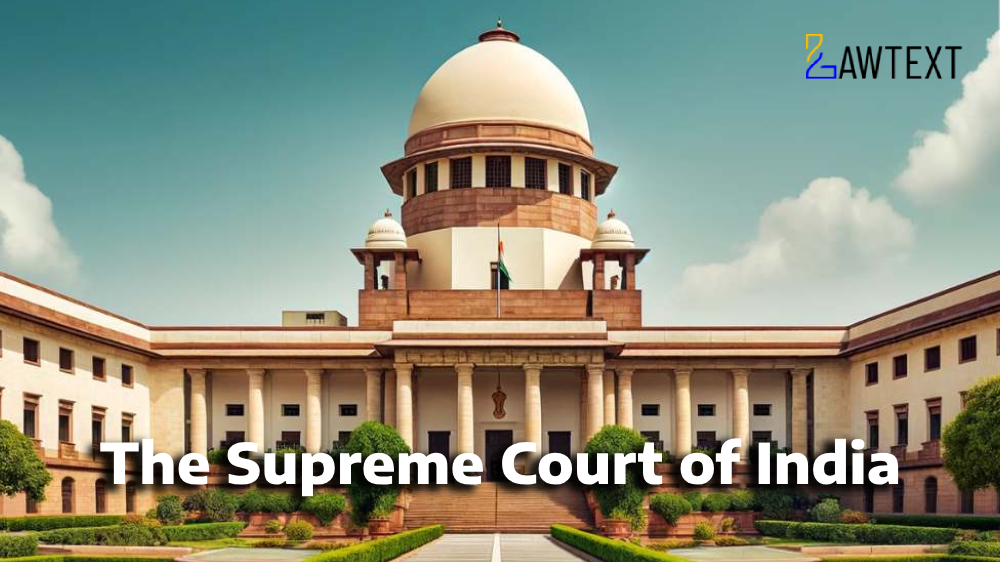
Supreme Court Allows Appeal in Food Adulteration Case — Conviction Set Aside Due to Non-Applicability of Rule. Citing Rule 44A's Non-Applicability at the Time of Offence, the Court Reversed the Conviction.

In Favour of Accused
  • 0
Judgement Image
Font size:
Print

Case Note & Summary

The case involved an appeal by Dinesh Kumar against a conviction for selling adulterated Besan under the Prevention of Food Adulteration Act, 1954. The trial court had acquitted him, but the Madhya Pradesh High Court overturned this decision, convicting him based on Rule 44A of the Prevention of Food Adulteration Rules, 1955. The prosecution's case was that on 29.3.1988, a Food Inspector collected a sample of Besan from Kumar's shop, which was later found to be adulterated. The trial court noted that while the sample's ingredients were within permissible limits, the presence of Kesari Dal led to the conclusion of adulteration. However, the High Court ruled that the sale of Kesari Dal was prohibited, thus convicting Kumar. The appellant's counsel argued that Rule 44A was not in effect at the time of the incident, while the State's counsel maintained that the mixture constituted a violation of the Act. The Supreme Court examined the applicability of Rule 44A and found that it was only effective from 6th April 2000, well after the date of the alleged offence. Consequently, the court held that the High Court's judgment was indefensible, leading to the allowance of the appeal and discharge of bail bonds.

Headnote

A) Food Law - Applicability of Rules - Non-Applicability of Rule 44A - Prevention of Food Adulteration Act, 1954, Section 2(i) - The court found that Rule 44A was not in operation in Madhya Pradesh at the time of the alleged offence, thus the conviction based on this rule was not maintainable. The samples were collected prior to the rule's effective date, leading to the conclusion that the accused could not be found guilty under this provision. Held that the High Court's judgment was indefensible (Paras 1-3).

Subscribe to unlock Headnote Subscribe Now

Issue of Consideration

Whether Rule 44A of the Prevention of Food Adulteration Rules, 1955 was applicable at the time of the alleged offence.

Subscribe to unlock Issue of Consideration Subscribe Now

Final Decision

The Supreme Court allowed the appeal, set aside the High Court's judgment, and discharged the bail bonds of the accused.

Law Points

  • Food adulteration
  • applicability of rules
  • standards of quality
  • definitions of adulteration
  • burden of proof
Subscribe to unlock Law Points Subscribe Now

Case Details

2004 LawText (SC) (10) 17

Appeal (crl.) 1096 of 1999

2004-10-27

Arijit Pasayat, C.K. Thakker

Dinesh Kumar

State of M.P.

Subscribe to unlock Case Details (Citation, Judge, Date & more) Subscribe Now

Nature of Litigation

Appeal against conviction for food adulteration

Remedy Sought

Setting aside the conviction

Filing Reason

Conviction by Madhya Pradesh High Court

Previous Decisions

Trial Court acquitted the accused

Issues

Applicability of Rule 44A Definition of adulteration under the Act

Submissions/Arguments

Appellant argued Rule 44A was not in effect at the time of the offence. State argued that the mixture of Bengal Gram and Kesari Dal was prohibited.

Ratio Decidendi

The court held that Rule 44A was not applicable at the time of the alleged offence, thus the conviction based on this rule was not maintainable.

Judgment Excerpts

Rule 44A was not applicable and was not in operation in the State of M.P. on the date of alleged collection of samples. The High Court’s judgment is indefensible and is accordingly set aside.

Procedural History

The trial court acquitted the accused; the State of M.P. appealed to the Madhya Pradesh High Court, which convicted the accused; the Supreme Court heard the appeal and reversed the High Court's decision.

Acts & Sections

  • Prevention of Food Adulteration Act, 1954: Section 2(i), Section 7(1), Section 16(1)(a)(i)
  • Prevention of Food Adulteration Rules, 1955: Rule 44A, Rule 5
Subscribe to unlock full Legal Analysis Subscribe Now
Related Judgement
Supreme Court Supreme Court Quashes Bail Order in Murder Case Due to Inadequate Reasoning. High Court's grant of bail under Section 302 IPC set aside for lack of cogent reasons and failure to consider material factors like accused's conduct and threats to witnesse...
Related Judgement
Supreme Court Supreme Court Upholds Appeal Against Contempt Dismissal in Excise Licensing Case — Court Finds Willful Disobedience of Orders.