
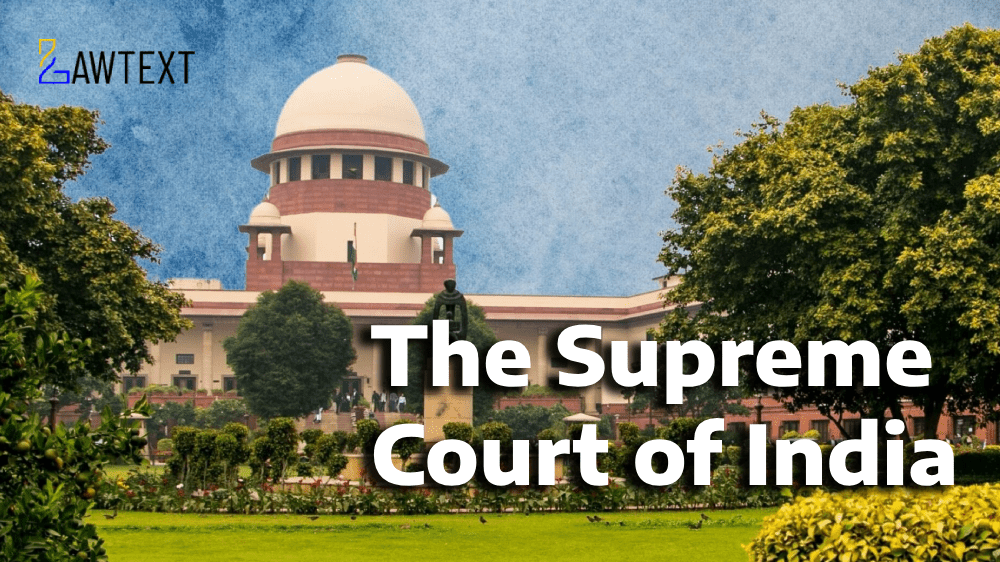
Case Note & Summary
The appeal arose from a criminal case where respondents were accused of attacking the deceased on December 22, 2009, leading to his death the following day. An FIR was registered under various sections of the Indian Penal Code including Sections 148, 149, 323, 324, 307, 302 and 506. After investigation and trial, the trial court acquitted all respondents on October 18, 2011, finding the prosecution case doubtful. The appellant, mother of the deceased, appealed to the High Court, which dismissed the appeal on January 24, 2013, upholding the trial court's appreciation of evidence. The appellant then approached the Supreme Court. The core legal issue was whether the High Court properly dismissed the appeal against acquittal and whether the trial court's judgment suffered from perversity. The appellant sought reversal of the acquittal, while respondents defended the lower courts' decisions. The Supreme Court analyzed the principles governing appeals against acquittal, emphasizing that the presumption of innocence becomes fortified after acquittal. The court referred to precedents including Allarakha K. Mansuri v. State of Gujarat, Suman Chandra v. Central Bureau of Investigation, and Mrinal Das v. State of Tripura, which establish that reversal requires compelling reasons and that appellate courts should adopt the view favorable to the accused when two views are possible. The court examined the trial court's findings regarding unreliable eyewitness testimony, inconsistencies in witness accounts, the appellant's status as an interested witness, and inconclusive forensic evidence. The Supreme Court concluded that the trial court had properly appreciated the evidence without perversity, and the High Court correctly applied the legal principles. Consequently, the appeal was dismissed, upholding the acquittal of the respondents.
Headnote
A) Criminal Law - Appeal Against Acquittal - Standard of Review - Code of Criminal Procedure, 1973 - The Supreme Court examined whether the High Court properly dismissed the appeal against acquittal - Held that the presumption of innocence is strengthened after acquittal and reversal requires compelling reasons, finding no perversity in the trial court's appreciation of evidence (Paras 7-12). B) Criminal Law - Evidence Appreciation - Eyewitness Testimony - Indian Evidence Act, 1872 - The trial court found eyewitnesses unreliable due to inconsistent narrations and the mother of deceased being an interested witness - Supreme Court upheld this finding as proper appreciation of evidence (Paras 6, 11). C) Criminal Law - Forensic Evidence - Weapon Analysis - Indian Evidence Act, 1872 - Forensic Science Laboratory Report showed no blood on most weapons and only traces on one lathi unlinked to deceased - Court found this supported the acquittal as prosecution failed to establish weapon connection (Para 6).
Issue of Consideration
Whether the High Court was justified in dismissing the appeal against acquittal and whether the trial court's acquittal judgment was based on proper appreciation of evidence
Final Decision
The Supreme Court dismissed the appeal, upholding the High Court's decision and the acquittal of respondents
Law Points
- Presumption of innocence is strengthened after acquittal
- reversal of acquittal requires compelling and substantial reasons
- appellate court should adopt view favorable to accused when two views are possible
- interference only permissible if trial court's view is perverse and unreasonable





