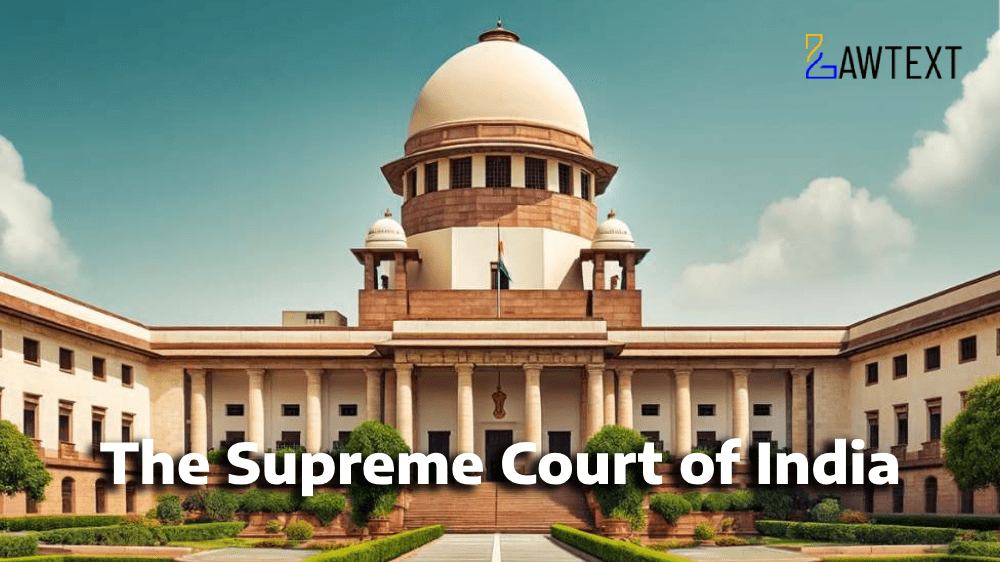
Supreme Court Dismisses Appeal Regarding Back Wages for Employees Terminated Without Inquiry. The court ruled that back wages must be granted as compensation due to the lack of a fair process in the termination under the Industrial Disputes Act, 1947.

  • 2
Judgement Image
Font size:
Print

Case Note & Summary

The dispute arose from the termination of employment of three sales representatives by Novartis India Ltd., who were transferred to distant locations and subsequently discharged for not reporting to their new posts. The employees contested their termination, leading to an industrial dispute referred to the Third Industrial Tribunal, which ruled in their favor, awarding back wages. The company appealed, questioning the validity of the award and the High Court's dismissal of their writ petition. The Supreme Court examined whether back wages should be awarded, emphasizing that such payments are not automatic upon reinstatement and depend on the workman's proof of unemployment. The court noted that the employees had not been given a fair opportunity to contest their termination, which was deemed illegal due to the absence of a domestic inquiry. The court ultimately dismissed the appeal, affirming the award of back wages as compensation for the wrongful termination, while also highlighting the need for a case-by-case analysis regarding back wages. The appeal was dismissed with costs, and the court declined to interfere with the calculation of back wages based on the last pay drawn, despite a revision in wages occurring during the intervening period.

Headnote

A) Employment Law - Back Wages - Entitlement to Back Wages - Industrial Disputes Act, 1947, Section 106 - The court held that back wages cannot be granted automatically upon setting aside an order of termination; the burden of proof regarding employment during the intervening period lies with the workman. The court emphasized that each case must be considered on its own merits, taking into account various factors including the nature of employment and the conduct of the workman (Paras 19-20).

B) Employment Law - Termination of Employment - Validity of Termination - Industrial Disputes Act, 1947 - The court found that the termination of the respondents' services was illegal as no domestic inquiry was conducted prior to termination. The court ruled that back wages should be granted as compensation due to the lack of a fair process in the termination (Paras 38-39).

Subscribe to unlock Headnote Subscribe Now

Issue of Consideration

Whether back wages should have been directed to be paid in favour of respondent Nos. 2 to 4 by the Industrial Tribunal and the High Court of Calcutta.

Subscribe to unlock Issue of Consideration Subscribe Now

Final Decision

The Supreme Court dismissed the appeal, affirming the award of back wages to the respondents as compensation for their wrongful termination, emphasizing the lack of a domestic inquiry and the need for a fair process.

Law Points

  • Back wages
  • termination of employment
  • industrial dispute
  • burden of proof
  • misconduct
  • domestic inquiry
  • compensation
Subscribe to unlock Law Points Subscribe Now

Case Details

2008 LawText (SC) (12) 38

Civil Appeal No. 7011 of 2008

2008-12-02

S.B. Sinha, Cyriac Joseph

J.P. Cama, Pradip Kumar Ghosh

Novartis India Ltd.

State of West Bengal and others

Subscribe to unlock Case Details (Citation, Judge, Date & more) Subscribe Now

Nature of Litigation

Dispute regarding entitlement to back wages following termination of employment.

Remedy Sought

Appellant sought to overturn the award of back wages to respondents.

Filing Reason

Respondents contested their termination and sought back wages.

Previous Decisions

The Industrial Tribunal ruled in favor of the respondents, awarding back wages.

Issues

Entitlement to back wages Validity of termination

Submissions/Arguments

Appellant argued that the Tribunal and High Court erred in awarding back wages without considering relevant factors. Respondents contended that back wages were justified due to their long service and inability to find alternative employment.

Ratio Decidendi

Back wages are not automatically granted upon reinstatement; the burden of proof regarding employment lies with the workman, and each case must be evaluated on its own merits.

Judgment Excerpts

Whether back wages should have been directed to be paid in favour of respondent Nos. 2 to 4 by the Industrial Tribunal as also by the High Court of Calcutta is the question involved in this appeal. The termination of their services was held to be illegal as prior to issuance of the orders, no enquiry had been conducted. Back wages cannot be granted almost automatically upon setting aside an order of termination inter alia on the premises that the burden to show that the workman was gainfully employed during interregnum period was on the employer.

Procedural History

The appeal arose from a Letters Patent Appeal filed by the appellant from a judgment and order of the High Court affirming the Industrial Tribunal's award regarding back wages.

Acts & Sections

  • Industrial Disputes Act, 1947: Section 106
Subscribe to unlock full Legal Analysis Subscribe Now
Related Judgement
High Court Bombay High Court Upholds Removal of Director in Co-operative Bank Case for Misappropriation and Conflict of Interest. Commissioner's order under Section 78A(1) of Maharashtra Co-operative Societies Act, 1960 confirmed due to unauthorized donations t...
Related Judgement
Supreme Court Supreme Court Allows Employee to Withdraw Resignation Under CCS Pension Rules Despite Pending Chargesheet. Withdrawal Permissible Under Rule 26(4) as Authorities Granted Vigilance Clearance and Accepted Resignation, Estopping Them from Relying on Cha...