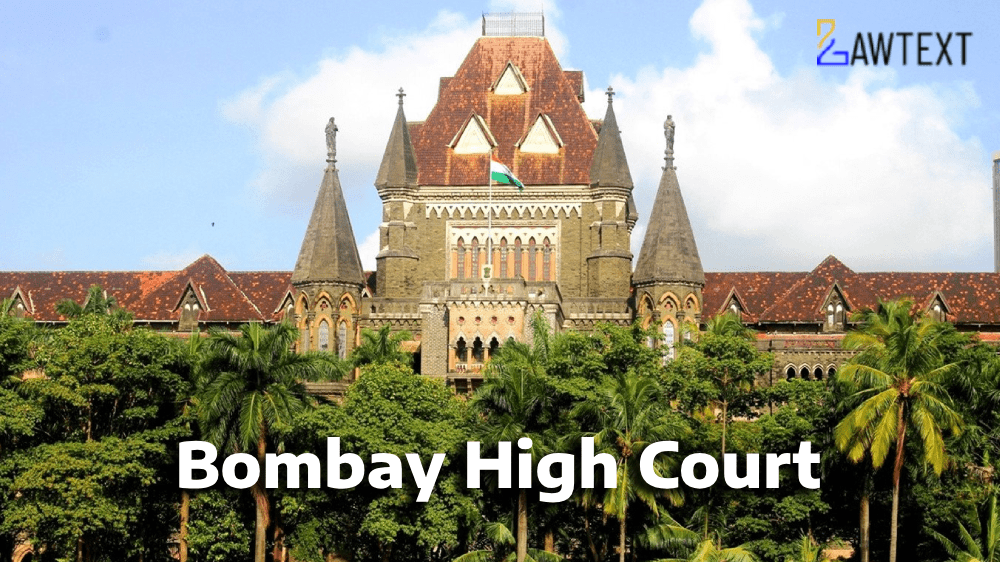
Supreme Court Dismisses State's Appeal on Teacher Training Eligibility — Upholds Rights of Candidates with Pre-NCTE Degrees. The court affirmed that excluding candidates based on arbitrary criteria violates constitutional rights under Articles 14 and 16.

  • 4
Judgement Image
Font size:
Print

Case Note & Summary

The dispute arose from the State of Uttar Pradesh's appeal against a Full Bench judgment of the Allahabad High Court regarding eligibility criteria for the Special Basic Training Course (BTC) 2007. The High Court ruled that the Government Order restricting eligibility to candidates with B.Ed. degrees from NCTE-recognized institutions was arbitrary and unreasonable, violating Articles 14 and 16 of the Constitution. The background revealed over 60,000 vacant Assistant Teacher posts in primary institutions due to stringent eligibility criteria. The State had initiated the Special BTC course for candidates already holding B.Ed. degrees, but later disqualified many based on a prior judgment regarding NCTE recognition. The Full Bench concluded that candidates with B.Ed. degrees obtained during the pendency of recognition applications or before the NCTE Act's enforcement should also be eligible. The Supreme Court, upon reviewing the case, found no infirmities in the High Court's judgment and dismissed the State's appeal, affirming the need for inclusive eligibility criteria to ensure qualified teachers are available for primary education. The court highlighted the constitutional obligation to provide free and compulsory education under Article 21A, emphasizing the importance of qualified teachers in achieving educational goals.

Headnote

A) Constitutional Law - Right to Equality - Arbitrary Exclusion from Eligibility - Constitution of India, Articles 14, 16 - The Full Bench of the High Court held that excluding candidates with B.Ed. degrees obtained before the NCTE Act or during pending recognition applications is arbitrary and violates the right to equality. The court emphasized that such exclusion does not serve a legitimate state interest and thus cannot be justified. Held that all candidates meeting the educational criteria should be eligible for the Special BTC Course (Paras 2-8).

Subscribe to unlock Headnote Subscribe Now

Issue of Consideration

Whether the exclusion of candidates with B.Ed. degrees obtained prior to the enforcement of the NCTE Act or during the pendency of recognition applications is arbitrary and violative of constitutional rights.

Subscribe to unlock Issue of Consideration Subscribe Now

Final Decision

The Supreme Court dismissed the appeals filed by the State of Uttar Pradesh, affirming the High Court's ruling that the exclusion of candidates with B.Ed. degrees obtained prior to the NCTE Act or during the pendency of recognition applications was arbitrary and unreasonable.

Law Points

  • Constitutional validity
  • eligibility criteria
  • teacher education
  • NCTE Act
  • arbitrary exclusion
Subscribe to unlock Law Points Subscribe Now

Case Details

2010 LawText (SC) (10) 73

Civil Appeal No. 2010 arising out of Special Leave Petition (C) Nos. 4854-4856 of 2009

2010-10-29

B. Sudershan Reddy, Surinder Singh Nijjar

P.P. Rao, A.M. Singhvi, P.S. Narsimha

State of U.P. & Ors.

Bhupendra Nath Tripathi & Ors.

Subscribe to unlock Case Details (Citation, Judge, Date & more) Subscribe Now

Nature of Litigation

Appeal against High Court ruling on eligibility for teacher training course.

Remedy Sought

State of Uttar Pradesh sought to overturn the High Court's ruling.

Filing Reason

Challenge to the exclusion of certain candidates from eligibility for the Special BTC Course.

Previous Decisions

High Court ruled exclusion based on arbitrary criteria violated constitutional rights.

Issues

Whether the exclusion of candidates with B.Ed. degrees obtained prior to the NCTE Act is arbitrary. Whether the State can impose stricter eligibility criteria than those prescribed by the NCTE.

Submissions/Arguments

State argued it could prescribe higher qualifications for BTC course admission. Respondents contended that exclusion based on arbitrary criteria violated constitutional rights.

Ratio Decidendi

The court held that arbitrary exclusion from eligibility for the Special BTC Course violates Articles 14 and 16 of the Constitution, emphasizing the need for inclusive criteria to ensure qualified teachers.

Judgment Excerpts

The exclusion of candidates from the field of eligibility for Special BTC Course 2007 who have obtained B.Ed. degree prior to the enforcement of NCTE Act, 1993 or after the enforcement of the said Act during the period when the application of the institution or University was pending consideration is arbitrary, unreasonable and violative of Article 14 of the Constitution. The candidates securing the degrees from those institutions whose applications were ultimately rejected by NCTE stands entirely on different footing.

Procedural History

The State of Uttar Pradesh appealed against the Full Bench judgment of the Allahabad High Court, which had ruled in favor of candidates excluded from eligibility for the Special BTC Course based on arbitrary criteria.

Acts & Sections

  • National Council for Teacher Education Act, 1993: Section 1, Section 14
  • Constitution of India: Articles 14, 16, 21A
Subscribe to unlock full Legal Analysis Subscribe Now
Related Judgement
High Court Karnataka High Court Allows Plaintiff's Writ Petition Challenging Impounding Order in Stamp Act Case — Document Marked Without Objection Cannot Be Reopened. Section 35 of Karnataka Stamp Act, 1957 Bars Subsequent Challenge to Admissibility of Insuf...
Related Judgement
High Court Bombay High Court Dismisses Writ Petition Challenging Executing Court's Refusal to Reopen Partition Decree Based on Will. Executing Court Cannot Go Behind a Final Decree to Redetermine Shares on Basis of Alleged Will Produced After Decree Became Abso...