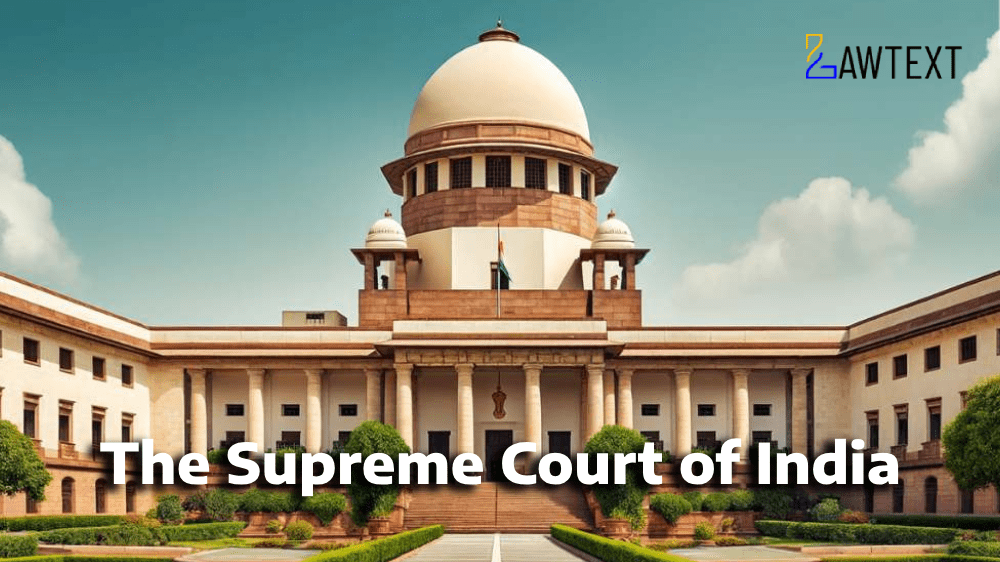
Supreme Court Dismisses Appeals Against Acquittal in Murder Case Due to Insufficient Evidence and Doubts on Witness Credibility. The High Court's acquittal was based on inconsistencies in witness testimonies and lack of corroborative evidence.

  • 0
Judgement Image
Font size:
Print

Case Note & Summary

The case involved multiple appeals arising from a common judgment by the Rajasthan High Court, which acquitted several accused in a murder case concerning the deaths of Krishna Gir and his disciple Sewanand. The prosecution alleged that a conspiracy was formed to kill Krishna Gir due to a land dispute, leading to their shooting on July 23, 2000. The FIR was lodged shortly after the incident, but the names of the assailants were not disclosed until three days later, raising doubts about the credibility of the witnesses. The trial court convicted some accused based on witness testimonies, but the High Court overturned these convictions, citing inconsistencies and lack of corroborative evidence. The Supreme Court, upon reviewing the appeals, found that the High Court's decision was reasonable given the circumstances, including the absence of an identification parade and the questionable reliability of the dying declaration made by Krishna Gir. The court noted that the prosecution's case was weakened by the delay in witness statements and the lack of corroborative evidence. Ultimately, the Supreme Court upheld the High Court's acquittal of the accused, reinforcing the presumption of innocence.

Headnote

A) Criminal Law - Acquittal - Grounds for Acquittal - Criminal Procedure Code, 1973, Section 366 - The High Court acquitted the accused due to lack of credible evidence and inconsistencies in witness testimonies. The court emphasized the need for corroboration in cases relying on dying declarations and questioned the reliability of the prosecution's eye-witnesses. Held that the acquittal was justified based on the evidence presented (Paras 12-22).

Subscribe to unlock Headnote Subscribe Now

Issue of Consideration

Whether the High Court erred in acquitting the accused based on the evidence presented.

Subscribe to unlock Issue of Consideration Subscribe Now

Final Decision

The Supreme Court dismissed the appeals, upholding the High Court's acquittal of the accused due to insufficient evidence and doubts regarding the credibility of witness testimonies.

Law Points

  • Acquittal
  • Dying Declaration
  • Eye-Witness Testimony
  • Identification Parade
  • Motive
  • Conspiracy
Subscribe to unlock Law Points Subscribe Now

Case Details

2014 LawText (SC) (07) 69

Criminal Appeal Nos. 1535-1541 of 2004

2004-11-01

Smt. Ranjana Prakash Desai

Mr. Rishi Malhotra, Mr. Ansar Ahmad Chaudhary, Ms. Ruchi Kohli, Mr. Makrand D. Adkar, Mr. Vishwajit Singh

Balbir, State of Rajasthan

Vazir & Ors., Lichman & Anr, Hoshiyar Singh & Ors.

Subscribe to unlock Case Details (Citation, Judge, Date & more) Subscribe Now

Nature of Litigation

Criminal appeal against acquittal in murder case.

Remedy Sought

State of Rajasthan sought to overturn the acquittal of the accused.

Filing Reason

Appeals were filed against the High Court's judgment acquitting the accused.

Previous Decisions

The trial court convicted some accused, which was overturned by the High Court.

Issues

Whether the High Court erred in acquitting the accused based on the evidence presented. Whether the dying declaration and witness testimonies were credible.

Submissions/Arguments

The prosecution relied on the testimonies of key witnesses and the dying declaration of Krishna Gir. The defense argued that the evidence was inconsistent and lacked credibility, leading to the High Court's correct acquittal.

Ratio Decidendi

The court emphasized the importance of corroborative evidence in cases relying on dying declarations and the need for credible witness testimonies to support the prosecution's case.

Judgment Excerpts

The High Court acquitted the accused due to lack of credible evidence and inconsistencies in witness testimonies. The prosecution's case was weakened by the delay in witness statements and the lack of corroborative evidence. The court emphasized the need for corroboration in cases relying on dying declarations.

Procedural History

The trial court convicted several accused based on witness testimonies, which was subsequently overturned by the High Court, leading to the present appeals.

Acts & Sections

  • Code of Criminal Procedure, 1973: Section 366
  • Indian Penal Code, 1860: Sections 302, 307, 120-B, 148, 34
  • Arms Act, 1959: Section 3, Section 25
Subscribe to unlock full Legal Analysis Subscribe Now
Related Judgement
Supreme Court Supreme Court Allows Appeal in Stamp Duty Valuation Case — Market Value Determined Based on Agreement to Sell Prior to Freehold Conversion. The Court held that the market value of property for stamp duty purposes must be determined as on the date o...
Related Judgement
High Court High Court of Karnataka Reserved Judgment in Intra-Court Appeal Against Single Judge's Dismissal of Writ Petition Challenging BDA's Modified Sanction Plan for Additional Residential Block. Appeal Filed by Apartment Owners Association Against Dismissa...